
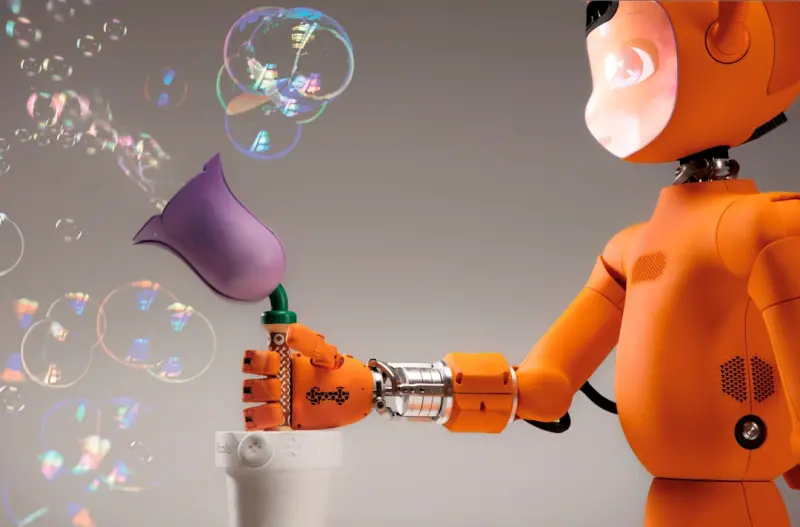
Why Sustainable Toy Design Is the Next Big Play Revolution
When I was a kid, my imagination ran wild on the backs of cheap plastic action figures and squeaky rubber ducks. Those toys were cheap, plentiful, and often designed for a single season of play before breaking or being tossed aside. Fast forward to today, and the same plastic waste is choking landfills, oceans, and even our children’s health. As someone who grew up in the bustling streets of Mumbai and now leads product strategy for a tech‑forward company, I’ve seen first‑hand how the choices we make in design ripple across economies and ecosystems. This is why I’m championing a shift: from disposable, carbon‑heavy playthings to toys that are built to last, to be repurposed, and to teach kids the value of stewardship from the moment they pick up a piece.
The Hidden Cost of the “Fast‑Toy” Model
Every year, billions of toys are produced in factories that rely heavily on petroleum‑based plastics. The environmental footprint isn’t limited to the material itself; it includes:
- Energy‑intensive manufacturing. Molding plastic requires high temperatures, consuming large amounts of electricity often sourced from fossil fuels.
- Transportation emissions. Toys travel across continents before reaching store shelves, adding a carbon load to every single unit.
- Short product lifespans. Many toys break within months, prompting parents to replace them with the next cheap version.
The result? An estimated 10 million tons of plastic toys end up in landfills each year. That figure isn’t just a number—it translates to microplastics infiltrating food chains, wildlife suffering from ingestion, and our children unknowingly playing with chemicals that can disrupt hormone development.
Designing for Longevity: Lessons From Other Industries
Look at the tech sector. Companies that design devices with modular components—think smartphones where you can swap batteries or upgrade cameras—experience longer product cycles and higher customer loyalty. The same principle applies to toys. By creating modular, interchangeable parts, a single toy system can evolve alongside a child’s developmental stages.
Take a modular building set made from bamboo composites. The core pieces stay the same, but expansion packs—new shapes, connectors, or themed accessories—keep the play fresh. Kids are encouraged to deconstruct and reconstruct, fostering problem‑solving skills while the base set remains a constant, durable platform.
Material Matters: From Biodegradable to Bio‑Based
Switching to sustainable materials isn’t a fad; it’s a science. Here are three promising options that are gaining traction:
- Plant‑based polymers. Derived from corn starch, sugarcane, or even algae, these polymers can mimic the flexibility of traditional plastic while being compostable under industrial conditions.
- Recycled ocean plastics. Companies are partnering with NGOs to collect debris from beaches, melt it down, and turn it into vibrant, safe toy components.
- Natural fibers reinforced composites. By blending wood fibers, hemp, or bamboo with bio‑resins, manufacturers achieve strength comparable to plastic with a fraction of the carbon footprint.
Each material brings its own set of challenges—cost, scalability, and regulatory compliance—but the market is already seeing successful pilots. Parents are increasingly willing to pay a premium for toys that align with their values, creating a viable economic pathway for broader adoption.
Playful Storytelling Meets Eco‑Education
Beyond the physical attributes, toys have the power to embed narratives that teach sustainability. Imagine a plush animal whose back is a removable panel revealing a miniature ecosystem made from recycled fibers. As children explore, an accompanying app (yes, a subtle nod to the digital age) narrates how the animal’s habitat thrives when we protect our planet.
This blend of tactile and digital storytelling turns abstract concepts—like carbon footprints—into concrete experiences. Kids learn that their actions matter, and they can see the impact through play. It’s an approach that resonates with modern parents who seek meaningful, educational content without sacrificing fun.
From Factory Floor to Playroom: The Role of Transparency
When I read how seniors are crafting digital memory gardens, I was struck by the power of storytelling to bridge generations. The same principle can be applied to toys: brands that openly share their sourcing, manufacturing processes, and carbon metrics build trust.
Transparent labeling—think QR codes on packaging that lead to a live dashboard of CO₂ emissions saved—creates an emotional connection. Parents become partners in the sustainability journey, and kids develop a habit of questioning the origins of the objects they hold.
Business Benefits of Sustainable Toy Lines
From a B2B perspective, retailers and distributors are feeling pressure from both consumers and regulators to stock greener products. Offering a sustainable toy line can:
- Differentiation. Stand out on crowded shelves with clear, eco‑focused branding.
- Higher margins. Premium pricing is justified when the story is compelling and the product quality is superior.
- Regulatory readiness. Anticipate tightening plastic bans and waste‑reduction mandates.
- Supply chain resilience. Using locally sourced bio‑materials reduces dependence on volatile petroleum markets.
Design Framework: The 3‑C Blueprint for Eco‑Toys
To help product teams transition, I’ve distilled the process into three core pillars—what I call the 3‑C Blueprint:
- Conscious Material Selection. Start with a material matrix that scores candidates on carbon intensity, recyclability, and cost. Prioritize plant‑based polymers and recycled content.
- Circular Design. Engineer toys for disassembly. Use standardized fasteners and snap‑fit connections that allow parts to be swapped or repaired without tools.
- Community‑Driven Storytelling. Involve educators, parents, and even children in co‑creating narratives that highlight sustainability. This not only enriches the product but also builds a loyal community around it.
By embedding these steps early, companies avoid costly redesigns later and can launch with a clear sustainability narrative.
Case Study: A Sustainable Building Block System
A mid‑size startup in Berlin recently launched a building block set made from 100% FSC‑certified wood fibers and a bio‑resin binder. The blocks interlock using a patented magnetic edge system, allowing for endless configurations. What’s remarkable is their “grow‑with‑you” model: as children age, they can purchase expansion packs that introduce more complex geometry without discarding the original set.
Within the first six months, the company reported a 35% reduction in material waste compared to traditional ABS plastic blocks. Moreover, their carbon‑offset program planted a tree for every 50 blocks sold, creating a tangible link between play and environmental action.
Challenges and How to Overcome Them
Transitioning to sustainable toys isn’t without hurdles:
- Cost perception. Many assume eco‑materials are prohibitively expensive. However, bulk sourcing and economies of scale quickly narrow the gap.
- Regulatory compliance. Bio‑based materials must meet stringent safety standards. Early collaboration with testing labs ensures compliance without delays.
- Consumer skepticism. Some shoppers doubt “green” claims. Third‑party certifications (e.g., Cradle to Cradle, Green Seal) provide credibility.
Addressing these head‑on with data, clear communication, and partnerships paves the way for smoother market entry.
Future Outlook: The Convergence of Play, Tech, and Sustainability
While we’re focusing on material and design, technology will amplify impact. Imagine a smart toy that tracks usage patterns and suggests repair tips via a mobile app, extending its lifespan further. Or an AR overlay that visualizes the carbon savings achieved by choosing a recycled‑plastic dinosaur over a virgin‑plastic counterpart.
These innovations align with broader industry trends toward the Internet of Things (IoT) and circular economies. By integrating sensors that monitor wear and tear, manufacturers can gather real‑world data to improve durability and guide future material choices.
Getting Started: Practical Steps for Brands
If you’re a product manager, designer, or founder ready to embed sustainability into your next toy line, here’s a quick starter checklist:
- Conduct a lifecycle assessment (LCA) of your current product to identify hot spots.
- Identify at least two alternative materials that meet safety and performance criteria.
- Prototype a modular component system and test for durability across age groups.
- Develop a transparent storytelling platform—website, QR code, or app—that showcases your sustainability metrics.
- Partner with an accredited certification body to validate claims.
- Launch a pilot program with a small retailer, gather feedback, and iterate.
By taking incremental steps, you’ll build momentum without overwhelming your organization.
Conclusion: Play with Purpose
Children are the most honest critics; they love toys that feel good in their hands and inspire imagination. When those toys also teach respect for the planet, we’re not just selling a product—we’re shaping the next generation of conscious consumers. Sustainable toy design isn’t a niche trend; it’s a necessary evolution that aligns profit, purpose, and play. Let’s build a world where the joy of unboxing a new toy doesn’t come at the cost of our earth.

Sanji Patel has dedicated 25 years to the SEO industry. As an expert SEO consultant for news publishers, he emphasizes providing both technical and editorial SEO services to news publishers worldwide. He frequently speaks at conferences and events globally and offers annual guest lectures at local universities.
Related Posts
Why Toy Libraries Are the Next Big Thing in Play
Toy libraries are reviving shared play, offering families sustainable, affordable access to a rotati... Read More
Playful Engineering: Turning Toy Design Into Business Innovation
This post reveals how modular toys, open‑source kits, and narrative‑driven play can become a str... Read More
The Rise of Sustainable Toys: A New Era of Eco-Friendly Play
The toy industry is undergoing a revolution, with eco-friendly toys leading the way. Learn about the... Read More
Top Posts
The Evolution of Eco-Cleaning: A Greener Approach to a Healthier Home
Eco-cleaning is a greener approach to cleaning that prioritizes health, well-being, and environmental sustainability. Learn how to make the switch to eco-friend...Read More
The Secret to a Calm, Clutter-Free Home That Actually Works
Learn how to transform your home into a tranquil, organized sanctuary using simple habits like the one‑touch rule, micro‑zones for breaks, invisible storage...Read More

Crafting a Multi‑Generational Wedding That Feels Intimate and Modern
A fresh perspective on wedding planning that blends the wisdom of elders with the energy of youth, offering practical tips for inclusive spaces, eco‑friendly ...Read More
The Sustainable Food Revolution: How Eco-Friendly Eating is Changing the Way We Live
The sustainable food revolution is gaining momentum, and it's about more than just what we eat. It's about the impact our choices have on the planet, our commun...Read More
0 Comments
Post Comment
You will need to Login or Register to comment on this post!