

When I first tried on a pair of sneakers through my phone’s camera, I didn’t just see a shoe—I saw a runway, a cityscape, and a future where “try before you buy” isn’t a gimmick but a daily habit. The shopping world is quietly undergoing a transformation, and it’s being driven by a cocktail of augmented reality (AR), hyper‑personalized data, and a renewed obsession with experience over possession.
Why AR Is the New Shopping Window
Remember the days when a store’s window was a static display, a glossy advertisement meant to lure passersby? Today, that window lives on your device, and it moves, talks, and even reacts to you. Brands are rolling out AR filters that let you place a sofa in your living room, see how a shade of lipstick matches your skin tone, or test a watch’s face on your wrist in real time. The magic isn’t just novelty; it solves a pain point that has plagued e‑commerce for years: uncertainty.
When you can visualize an item in its intended environment before you click “add to cart,” the hesitation that usually leads to abandoned baskets evaporates. Studies show that AR‑enabled product pages can boost conversion rates by up to 94%, and that’s not hyperbole—it’s a measurable shift in buyer confidence.
The Data Behind the Curtain
AR isn’t operating in a vacuum. It’s powered by layers of data that make each experience feel handcrafted. From your browsing history to your recent Instagram likes, algorithms stitch together a profile that predicts the styles you’ll love. Think of it as a personal shopper who knows you better than your own mother—but without the judgment.
Here’s where the invisible micro‑tools come into play. These tiny, often overlooked bits of tech—like contextual pop‑ups, subtle haptic feedback, or AI‑driven size suggestions—work behind the scenes to smooth the journey. They’re the silent nudges that keep you scrolling, trying, and ultimately purchasing without feeling pressured.
From Social Feeds to Shopping Feeds
Social media platforms have become the new mall. A scroll through a friend’s story can now lead directly to a checkout page. Influencers aren’t just showcasing products; they’re embedding AR experiences within their posts. Imagine watching a TikTok where the creator swipes up and you instantly see a 3D model of the jacket they’re wearing, rotating it in your hand.
This seamless blend of content and commerce is reshaping the buyer’s journey. The frictionless “see‑it‑buy‑it” loop shortens decision cycles, making impulse buys feel less impulsive and more informed.
Personalization at Scale—Without the Creepy Factor
There’s a fine line between helpful recommendations and feeling like a surveillance state. Successful brands are learning to stay on the right side of that line by giving shoppers control. Opt‑in AR experiences that let you select what data you share—such as body measurements for clothing fit—empower consumers while delivering precision.
One innovative approach is the “fit fingerprint.” Instead of a single size label, you create a digital profile of your body’s nuances. When you try on a dress virtually, the AR engine adjusts the garment in real time, showing you how it drapes across your unique silhouette. The result? Fewer returns, happier customers, and a greener supply chain.
The Role of Community in the AR Shopping Era
Shopping used to be a solitary act, but today it’s a communal experience. Platforms are adding features that let you invite friends to a shared AR session. You can co‑shop with a sibling across the country, see their reactions in real time, and even vote on which color to pick. This “social try‑on” not only drives engagement but also creates organic word‑of‑mouth promotion.
Brands that foster these micro‑communities see higher loyalty scores. It’s the modern equivalent of the friendly neighborhood boutique, only now the boutique exists wherever your friends are scrolling.
Bridging the Physical‑Digital Divide
Brick‑and‑mortar stores aren’t dead; they’re evolving. Many retailers are installing AR mirrors that let you mix and match outfits without ever touching a rack. The mirror can pull up accessories from the store’s entire inventory, suggest complementary pieces, and even let you scan a QR code to purchase instantly.
For the shopper who still craves tactile confirmation, these hybrid experiences offer the best of both worlds: the immediacy of online browsing with the reassurance of a physical space.
Challenges: Technology, Trust, and Adoption
Despite the hype, AR shopping isn’t without hurdles. High‑quality 3D modeling can be expensive, and not all devices support the necessary graphics. Brands must balance investment with return, ensuring that the AR experience truly adds value.
Trust is another barrier. Shoppers need to believe that the virtual representation matches the real product. Rigorous quality control, transparent return policies, and clear communication about how AR models are generated help build that confidence.
Future Outlook: What’s Next?
Looking ahead, we’ll see AR intertwine with other emerging tech. Voice‑activated assistants could cue AR overlays, letting you say “show me that lamp in my living room” and instantly see it projected onto your couch. Wearable AR glasses might replace smartphones for shopping, offering hands‑free, immersive product trials while you’re actually in the store.
Even more exciting is the potential for blockchain to certify the authenticity of AR assets. Imagine a digital certificate that guarantees the 3D model you’re viewing is a true representation of the physical product, eliminating doubts about color fidelity or texture.
Practical Steps for Brands Ready to Dive In
- Start Small, Think Big: Pilot AR experiences on a flagship product before scaling across the catalog.
- Leverage Existing Assets: Use photography and 3D scanning tools you already own to create baseline models.
- Integrate with two‑way email conversations: Follow up AR sessions with personalized email that recaps the experience and offers tailored discounts.
- Measure Impact: Track metrics like dwell time on AR pages, conversion rates, and return rates to quantify ROI.
- Educate Your Audience: Provide tutorials and FAQs that demystify the technology, turning curiosity into confidence.
Conclusion: The Shopping Experience Is Finally Becoming an Experience
We’re at a crossroads where technology meets desire in a way that feels natural, playful, and deeply personal. Augmented reality is not just a flashy add‑on; it’s a bridge that turns uncertainty into excitement, isolation into community, and static catalogs into living, breathing showcases.
If you’re a brand, the question isn’t “Should we adopt AR?” but “How soon can we make it part of our customer’s everyday journey?” And if you’re a shopper, the next time you scroll past that sleek jacket or sleek kitchen gadget, remember: the future of trying it on might already be waiting in your palm.

Miranda Murphy: Experienced freelance writer with a decade of storytelling expertise. Let's create something amazing together!
Related Posts

From Impulse to Intent: Decoding the New Era of Digital Window‑Shopping
The post reveals how live‑stream commerce, audio‑first shopping, and curation‑as‑a‑service... Read More

Shopping as a Personal Adventure: How AI and Sustainability Are Redefining the Checkout Experience
Discover how AI-driven personalization, transparent pricing, and sustainable subscription models are... Read More
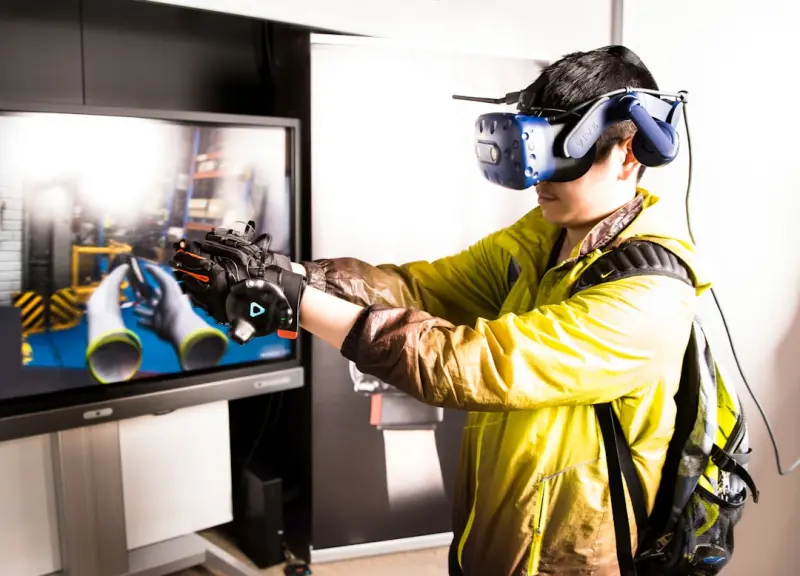
Beyond the Fitting Room: How Augmented Reality Is Shaping Online Shopping
Augmented reality is turning online shopping into an interactive experience, letting shoppers virtua... Read More
Top Posts

Why Player-Created Worlds Are Redefining Gaming
Player‑created worlds are transforming games from static experiences into living ecosystems, empowering creators, extending longevity, and forging fresh econo...Read More

Kids as Co‑Creators: Building Real‑World Impact with DIY Tech Labs
DIY tech labs turn everyday curiosity into real‑world impact. Learn why kids are becoming co‑creators, see inspiring case studies, and get a step‑by‑ste...Read More
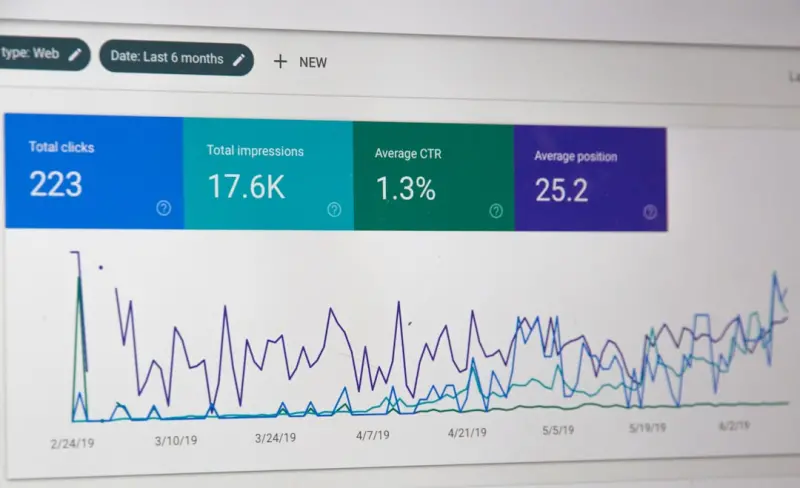
Conversation‑First Marketing: Turning Data Into Real‑Time Dialogue
Explore a fresh marketing mindset that prioritizes real‑time, two‑way conversations, aligns with Revenue Operations, and leverages AI and community co‑cre...Read More

Data‑Driven Safety Nets: Protecting Remote Teams in a Hyper‑Connected World
A fresh look at safety beyond the office, showing how data‑driven practices, smart networking, and real‑time insights create a resilient safety net for remo...Read More
0 Comments
Post Comment
You will need to Login or Register to comment on this post!