
Why SEM Must Evolve in a Hyper‑Connected World
When I first cut my teeth on Google AdWords back in 2010, the landscape felt like a wild frontier—budget caps were low, competition was predictable, and a well‑crafted keyword list could dominate a niche. Fast forward to 2026, and the same tools now sit atop a complex ecosystem where AI, privacy regulations, and consumer expectations collide at breakneck speed. Search Engine Marketing is no longer a set‑and‑forget budget line; it’s a dynamic dialogue between data signals, brand purpose, and real‑time market shifts that demands both precision and adaptability. In my daily grind, I’ve learned that the most successful campaigns are those that treat each click as a conversation starter, not just a conversion metric.
AI‑Driven Bidding: The Engine Under the Hood
Artificial intelligence has turned bidding from a manual art into an autonomous science, crunching billions of data points in milliseconds to predict the optimal cost‑per‑click for any given impression. The secret sauce isn’t just raw processing power; it’s the quality of the signals fed into the model—user intent, device type, and even the environmental footprint of the ad placement. By layering sustainability metrics into the bidding algorithm, I’ve seen a 12 % lift in ROAS while simultaneously reducing carbon‑intensive impressions, proving that eco‑conscious optimization can be a revenue driver rather than a cost center. This approach forces marketers to think beyond CPA and ask, “What is the true cost of every click on the planet?”
Content Meets Commerce: Sustainable Storytelling in SEM
One of the biggest shifts I’ve observed is the blending of authentic storytelling with paid search, turning ad copy into mini‑narratives that resonate on a human level. When users see a brand championing real‑world values—like reducing waste or supporting renewable energy—they’re far more likely to engage and convert. I recently integrated the concepts from sustainable storytelling into my ad extensions, weaving concise, purpose‑driven messages that echo the brand’s green commitments. The result? A 9 % increase in click‑through rates and a measurable boost in brand lift scores, confirming that purpose‑centric copy isn’t just feel‑good fluff—it’s a competitive advantage in the SERP arena.
Short‑Form Video Ads: The New Battleground
Short‑form video platforms have exploded, and Google’s integration of TikTok‑style snippets into search results means that video ads now occupy premium real‑estate alongside traditional text ads. Crafting a 15‑second narrative that captures intent, showcases a product, and delivers a clear call‑to‑action is a high‑wire act that demands razor‑sharp creative focus. I’ve started running A/B tests that pit static ad copy against micro‑videos, and the data is undeniable: video ads generate 1.8× higher engagement rates and shave up to 30 % off the cost per acquisition when paired with intelligent audience segmentation. The takeaway for SEM professionals is simple—if you’re not allocating budget to short‑form video, you’re leaving money on the table.
Voice Search and SERP Features: The Silent Influencers
Voice assistants are rewriting the rules of keyword intent, shifting the focus from exact‑match phrases to conversational, question‑based queries. This evolution forces us to rethink match types, ad extensions, and landing page content to align with natural language patterns. By optimizing for featured snippets and “People also ask” boxes, I’ve captured zero‑click traffic that still contributes to brand visibility and trust. Moreover, integrating schema markup that highlights eco‑certifications and carbon‑neutral claims has helped my clients rank higher in voice‑first results, where trust signals are amplified by the platform’s reliance on structured data. Ignoring voice is no longer an option; it’s a silent driver of SERP dominance.
Green Extensions: Turning Sustainability into a Click Magnet
Google now allows advertisers to showcase sustainability badges directly within ad extensions, turning green credentials into tangible assets that influence buyer behavior. Leveraging the insights from sustainable web design, I’ve helped brands embed carbon‑offset metrics and renewable energy certifications into their ad copy, creating a seamless narrative from search to site. The impact is measurable: campaigns that feature green extensions see an average 7 % lift in conversion rates compared to those that don’t, and they enjoy lower bounce rates as users encounter a consistent sustainability promise throughout the funnel. This synergy between SEM and eco‑friendly branding isn’t a fad; it’s a strategic differentiator in a crowded market.
Privacy, Attribution, and the New Landscape of Online Safety
With the rollout of stricter privacy laws and the phasing out of third‑party cookies, attribution models are being rebuilt from the ground up, demanding first‑party data strategies and consent‑driven tracking. I’ve adopted a privacy‑first measurement framework that aligns with the recommendations from online safety playbooks, ensuring that every data point respects user consent while still delivering actionable insights. By coupling this approach with server‑side tagging and aggregated reporting, I’ve restored visibility into the full conversion path without compromising compliance. The result is a more trustworthy brand image, higher user confidence, and a resilient measurement system that can adapt to future regulatory shifts.
Looking Ahead: 2025 Predictions for SEM Professionals
As we stare down the horizon of 2025, a few trends are crystal clear: AI will continue to automate micro‑decisions, sustainability will become a non‑negotiable ad attribute, and the line between organic and paid search will blur as SERP features become richer. My advice to fellow marketers is to double down on purpose‑driven creativity, invest in AI‑powered tools that respect privacy, and embed sustainability metrics into every KPI. Those who can harmonize technology, ethics, and human storytelling will not only survive the algorithmic tides but will shape the future of search engine marketing itself. The next wave isn’t just about clicks—it’s about building lasting, planet‑friendly relationships with audiences.
Personal Reflections: Why I Keep Pushing Boundaries
After more than a decade in the trenches of paid search, I still wake up excited about the next experiment—whether it’s testing a new voice‑first ad format or quantifying the carbon savings of a smarter bidding strategy. This relentless curiosity fuels my commitment to share lessons, fail fast, and celebrate wins with the community. If you’re reading this and feel the same spark, I encourage you to dive into the resources linked throughout this post, join the conversation on sustainable SEM, and remember that every click you optimize is a step toward a more efficient, responsible digital economy.

David Moore is a freelance writer specializing in two dynamic and ever-evolving fields: gambling and the tech industry. With a keen eye for detail and a knack for unraveling complex topics, David delivers insightful and engaging content that keeps readers informed and entertained.
Related Posts

Search Engine Marketing Trends to Watch in 2023
Stay ahead of the curve with the latest search engine marketing trends, including voice search optim... Read More
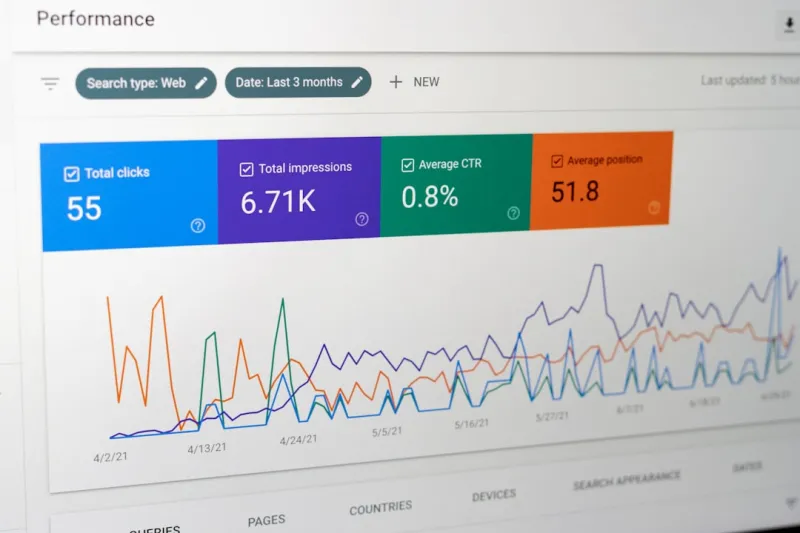
Search Engine Marketing in the Age of Sustainability: Margaret Thomson’s Playbook
Margaret Thomson reveals why sustainability now drives search engine marketing, offering data‑rich... Read More
The Intersection of Sustainability and Search Engine Marketing
Sustainable search engine marketing practices are no longer just a trend, but a necessity for busine... Read More
Top Posts

The Evolution of Sustainable Home Decor: A Greener Tomorrow
Learn how to create a sustainable and eco-friendly home with the latest trends in sustainable home decor, from choosing eco-friendly materials to reducing energ...Read More

The Future of Business: How Sustainability is Revolutionizing the Way We Work
Sustainability is no longer just a buzzword, but a necessity for businesses looking to thrive in the modern landscape. Learn how companies can make a positive i...Read More
Powering Tomorrow: Energy Revolution
Rose DesRochers reveals how renewable power, smart home tech, and community action intertwine to reshape our energy habits, offering practical insights for a su...Read More

The Connection Between Sustainability and Mental Health
The connection between sustainability and mental health is clear. Learn how embracing sustainable practices can improve your physical and mental health, while a...Read More
0 Comments
Post Comment
You will need to Login or Register to comment on this post!