

Social media has become the world’s most active town square, but for many B2B SaaS leaders it still feels like shouting into a megaphone that’s turned up to eleven. The problem isn’t the platform; it’s the mindset. Most teams treat social channels as a broadcast billboard, pushing product features and hoping for a ripple. What if, instead, we flipped the script and used those same streams to surface real‑time market insights, co‑create product narratives, and build genuine community advocacy? In this deep dive, I’ll share the three‑step framework I’ve been testing across my own product teams, complete with concrete tactics you can roll out this week.
1. Stop Selling. Start Listening (and Learning)
Every tweet, LinkedIn comment, or Reddit thread is a data point—if you’re willing to treat it as such. The first shift is to replace the “sales pitch” KPI with a “learning KPI.” Track the volume of unsolicited questions about a specific pain point, the sentiment around a competitor’s new feature, or the frequency of a particular industry buzzword. These metrics become an early warning system for market shifts that traditional surveys simply miss.
Here’s a practical way to set it up:
- Define listening windows. Choose two or three core topics that align with your product roadmap. For a SaaS analytics platform, that might be “real‑time dashboards,” “data governance,” and “AI‑augmented insights.”
- Deploy keyword alerts. Most social listening tools let you trigger alerts for specific phrases. Combine this with a simple spreadsheet that tags the source (Twitter, LinkedIn, niche forums) and the tone (question, praise, complaint).
- Translate to product language. When a cluster of users mentions “too many clicks to get a report,” that’s a direct cue to simplify the UI. When they praise “auto‑suggested metrics,” you might double down on that AI feature.
By turning noisy chatter into a structured insight pipeline, you empower product managers to make data‑driven decisions without waiting for quarterly NPS surveys.
2. Co‑Create Content With Your Audience
One of the biggest misconceptions about B2B social is that only the brand should produce content. In reality, the most engaging posts are those that give the community a starring role. Think of your social channels as a collaborative studio rather than a one‑way billboard.
Try the micro‑webinar series. Invite a handful of power users to host a 15‑minute live session on a specific use case—maybe “How we cut reporting time in half with our API.” Promote the event on LinkedIn and Twitter, and let the participants drive the conversation. After the session, repurpose the recording into a blog post, a short video clip, and a set of quote graphics. Not only do you get authentic content, you also spotlight your customers as thought leaders.
Another low‑effort tactic is the customer spotlight thread. Each week, post a short interview snippet featuring a client’s success story, and ask the audience to share their own twists on the challenge. The resulting comment chain often surfaces fresh use‑case ideas you never considered.
These collaborative formats also feed directly back into the listening loop described earlier—every comment becomes a potential product insight.
3. Build a Real‑Time Creative Command Center
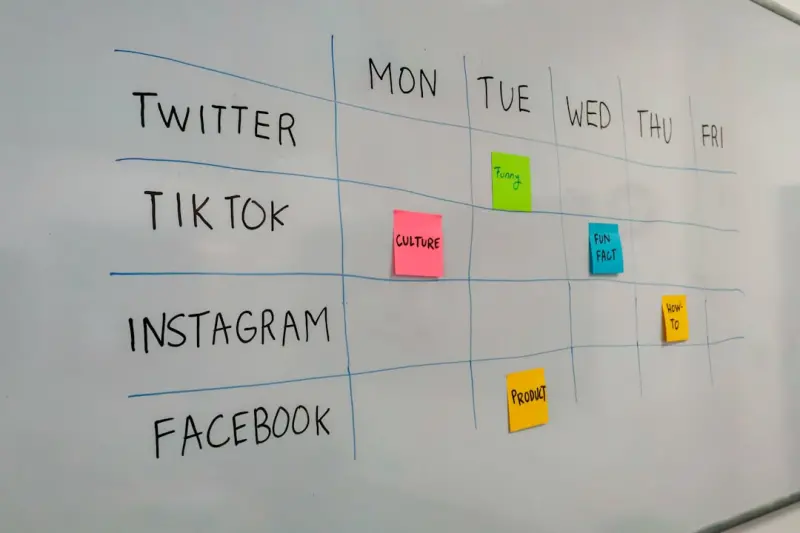
When I first tried to coordinate social campaigns across multiple platforms, I felt like a traffic controller juggling planes without a radar. The solution was to treat the social media workflow as a live product operation, complete with a dedicated “command center.”
Start by mapping the entire content lifecycle: ideation, creation, approval, publishing, monitoring, and iteration. Assign owners for each stage and integrate a shared dashboard where every stakeholder can see the status of each piece in real time. This eliminates the endless email ping‑pong that slows down momentum.
For the visual and copy assets, a Why Media Agencies Need a Real‑Time Creative Command Center style setup works wonders. Use a lightweight project board (like Trello or Notion) with columns for “Ideas,” “In Production,” “Ready to Publish,” and “Live.” Attach the social copy, design mockups, and a short brief describing the audience segment and KPI focus. When the piece goes live, flip the card to “Live” and start the monitoring sprint.
Why does this matter for SaaS? Because the speed at which you respond to a trending industry hashtag or a competitor’s announcement can be the difference between riding the wave or watching it pass you by. A command center ensures you have the agility to jump on those moments without sacrificing brand consistency.
4. Leverage Niche Audio Communities
While most brands still chase the visual dominance of TikTok or Instagram, a quieter revolution is brewing in the audio space: Clubhouse‑style rooms, Twitter Spaces, and industry‑specific podcast networks. These platforms attract highly engaged professionals who are willing to spend 30‑45 minutes discussing challenges in depth.
Here’s how to get started:
- Identify relevant “rooms.” Search for existing audio chats that align with your vertical (e.g., “SaaS Product Ops” or “Data Security Roundtable”). Join as a listener first to gauge tone.
- Offer value, not a pitch. Ask a thoughtful question or share a concise anecdote that demonstrates expertise. The goal is to become a trusted voice, not a salesperson.
- Host your own mini‑sessions. Pick a hot topic (e.g., “Scaling Observability in Multi‑Cloud Environments”) and invite a guest expert. Promote the event through your existing social channels and capture the audio for later repurposing.
Audio formats often reveal nuanced opinions that text‑based posts hide—tone, hesitation, enthusiasm. Those cues can guide how you frame future messaging or even uncover feature gaps.
5. Turn Social Feedback Into a Product Feature Funnel
Most SaaS companies treat feature requests as a static backlog, updated quarterly. By integrating social listening directly into your product management tools, you create a dynamic “feature funnel” that reflects the market’s pulse.
Use a simple integration: when a comment on LinkedIn includes a keyword like “wish” or “could you,” automatically push that text into a “Social Requests” column in your roadmap board. Tag the source and assign a priority score based on volume and sentiment. Over time, you’ll see patterns—perhaps a recurring demand for “single sign‑on for third‑party apps” or “more granular role‑based permissions.”
This approach not only validates that you’re building what users actually need, but it also demonstrates to the community that you’re listening. When you ship a feature that originated from a social comment, shout it out and thank the contributor. It closes the loop and fuels further engagement.
6. Automate Where It Makes Sense, But Keep the Human Touch
Automation is a double‑edged sword on social media. While you can schedule posts weeks in advance, you can’t automate genuine conversation. The sweet spot is to automate the repetitive, not the relational.
For example, use a Crafting a Future‑Ready Toolset: No‑Code Automation for Every Team style workflow to pull in new comments that match your listening keywords and surface them in a Slack channel for rapid response. A simple Zapier or Make.com scenario can tag the comment, assign it to a team member, and log the interaction in your CRM.
Meanwhile, reserve real‑time engagement for moments that demand empathy—like addressing a user’s frustration or celebrating a milestone. The balance ensures efficiency without sacrificing authenticity.
7. Measure What Matters: The “Community Health Score”
Traditional social metrics (likes, impressions, follower count) rarely correlate with B2B revenue impact. Instead, develop a composite “Community Health Score” that blends:
- Engagement Ratio: Comments ÷ total posts (high-quality discussion beats vanity likes).
- Advocacy Index: Number of user‑generated content pieces (case studies, testimonials) that mention your brand.
- Insight Conversion Rate: Percentage of social‑derived ideas that make it into the product roadmap.
- Response Time: Average time to reply to a user query on any platform.
Track this score monthly and set targets that align with business goals—e.g., a 15% uplift in Insight Conversion Rate quarter over quarter. This turns social media from a vanity exercise into a strategic lever.
8. The Future: Decentralized Social Networks
Emerging decentralized platforms (e.g., Mastodon, Lens Protocol) are beginning to attract early adopters who value data ownership and reduced algorithmic bias. While still niche, they present an opportunity to be an early voice in a community that values transparency—attributes that resonate strongly with SaaS buyers.
Start by setting up a presence on one of these networks, share thought leadership pieces, and invite existing followers to join the conversation. The payoff is twofold: you tap into a fresh audience pool, and you position your brand as a forward‑thinking leader willing to explore the next frontier of social interaction.
Putting It All Together
Social media isn’t a static billboard; it’s a living, breathing ecosystem that can serve as a market research lab, a co‑creation studio, and a real‑time brand command center—all at once. By shifting from a broadcast mindset to a listening‑first approach, collaborating directly with your audience, and building the operational infrastructure to act on insights, you’ll turn the cacophony of social chatter into a strategic advantage.
If you’ve been stuck in the “post‑and‑pray” cycle, give these steps a try. Start small—pick one listening window, set up a simple alert, and watch how the conversation evolves. In a few weeks, you’ll have a richer feed of user insights, stronger community relationships, and a clearer roadmap that truly reflects what your market is demanding.
Remember, the most powerful social media strategy isn’t about shouting louder; it’s about hearing smarter.

Tyler Johnson is a seasoned freelance writer with a keen eye for detail and a passion for crafting compelling narratives. His years of experience have honed his ability to adapt his style to suit diverse client needs and project requirements.
Related Posts
Why Authentic Collaboration Is the Future of Social Media
Explore a fresh, human‑first approach to social media that leverages collaborative storytelling, n... Read More

Social Media in 2024: How Sustainable Storytelling, AI, and Voice Are Redefining Engagement
Explore the 2024 social media shift where sustainable storytelling, AI insights, and voice-driven co... Read More

Why Audio‑First Social Is the Secret Weapon for B2B SaaS Brands
Audio‑first social platforms are reshaping B2B SaaS marketing by fostering authentic conversations... Read More
Top Posts

When Scams Meet SaaS: Guarding Your Business from Sophisticated Deception
Scams have evolved to exploit SaaS ecosystems through combo‑attacks that blend credential theft, deep‑fake videos, and fake invoicing. This post reveals the...Read More

Designing Your Personal Resilience Blueprint: A DIY Mental‑Health Playbook
A step‑by‑step guide to crafting a personal resilience blueprint, turning mental health into a scalable system using audits, micro‑interventions, technolo...Read More

Game-Changing Tech: How Real-Time Data is Redefining Sports Fanatics
From AR‑enhanced arenas to AI‑driven injury prevention, this deep dive reveals how real‑time data is reshaping every facet of sports, delivering richer fa...Read More

When Walls Whisper: Crafting Spaces That Talk Back
This post reveals how interior design can become a dialogue, using light, texture, color, layout, and micro‑interactions to create spaces that listen, respond...Read More
0 Comments
Post Comment
You will need to Login or Register to comment on this post!