

When Walls Whisper: Crafting Spaces That Talk Back
Imagine stepping into a room that feels like it’s greeting you, adjusting its mood to match your energy, and subtly nudging you toward the actions you want to take. That’s not the stuff of sci‑fi; it’s the emerging frontier of interior design where psychology, materiality, and micro‑interactions converge. As a lifelong design enthusiast who’s spent a decade translating brand narratives into physical environments, I’ve learned that the most compelling spaces are those that communicate—they listen, respond, and evolve with the people who inhabit them.
The Language of Light
Light is the most immediate way a room speaks. Yet most designers treat illumination as a purely functional layer—bright enough for reading, dim enough for movies. When we reframe light as a conversational partner, the possibilities multiply. Temperature, direction, and rhythm become the dialects of that conversation.
- Color temperature: Warm amber hues whisper relaxation, while cool daylight tones energize. By pairing adjustable LED strips with smart controls, a living room can transition from a sunrise‑inspired workspace to a sunset‑infused lounge with a single swipe.
- Directionality: Light that glides along a wall, highlighting a textured surface, tells a story about the material. Concealed cove lighting that follows the curve of a reclaimed wood panel not only accentuates the grain but also signals a reverence for craftsmanship.
- Rhythmic modulation: Subtle pulsing—akin to a breathing rhythm—can calm anxious occupants. This technique, borrowed from wellness tech, is now being integrated into bedrooms where the night‑light mimics a slow, soothing heartbeat.
When I first experimented with programmable lighting in a client’s home office, the change was palpable. The space shifted from a sterile, “just‑another‑desk” vibe to a dynamic studio where the light’s hue subtly nudged me toward focus during the day and toward unwind after hours. The room was no longer a static backdrop; it became an active participant in my workflow.
Texture as a Tactile Conversation
Touch is an under‑explored channel in interior design communication. While we often discuss visual aesthetics, the tactile experience can convey status, comfort, and even narrative depth. Think of a plush, low‑pile rug underfoot that whispers luxury versus a rough-hewn stone floor that declares rugged authenticity.
Strategic layering of textures creates a dialogue of contrasts. A sleek concrete countertop paired with a hand‑woven sisal runner invites occupants to consider the interplay between industrial precision and organic craftsmanship. This tension isn’t just visual; it’s a call to the senses, prompting curiosity and a deeper engagement with the environment.
In a recent residential project, I introduced a series of healthy home swaps that prioritized low‑VOC finishes and natural fibers. The result was a space that not only looked and felt better but also whispered a commitment to wellbeing—every surface seemed to affirm that the home was a sanctuary for both body and mind.
Color Psychology: The Unspoken Narrative
Color is the most direct way a room can convey emotion, but it’s rarely used with intent beyond aesthetic matching. Recent research shows that hue can influence productivity, appetite, and even social interaction. A deep, muted teal in a conference room can foster trust, while a soft, buttery yellow in a kitchen stimulates conviviality.
What if we treat color as a sentence that evolves through a space? Starting with a bold accent wall that catches the eye—an opening statement—then letting the palette recede into neutral tones that act as supporting clauses, the room tells a cohesive story. This narrative flow can be reinforced with accent pieces that echo the primary hue, creating visual callbacks that feel like recurring motifs in a novel.
In my own apartment, I painted the hallway a calming sage green. As I walk through, the color gently nudges me toward mindfulness before I even reach the meditation nook. The green doesn’t shout; it simply suggests a mental shift, and I find myself breathing a little deeper each time I pass.
Spatial Storytelling Through Layout
Beyond the elements that line a room, the way we arrange those elements can either mute or amplify a space’s voice. Traditional layouts often prioritize function—“sofa faces TV,” “desk faces window.” While logical, this approach can flatten the room’s narrative potential.
Consider the concept of zoning as storytelling. By deliberately creating micro‑scenes within a larger room, you give occupants multiple “chapters” to explore. A reading nook framed by a floor‑to‑ceiling bookshelf becomes a quiet library chapter; a coffee bar with reclaimed wood counters tells the story of a bustling café.
When I redesigned a loft for a freelance photographer, I used this technique to separate work, relaxation, and showcase zones without erecting full walls. Each area was demarcated by a shift in material—polished concrete under the desk, soft wool under the sofa, and reclaimed timber beneath the display shelves. The transitions felt like page turns, and the loft narrated the photographer’s journey from creation to reflection.
Integrating narrative architecture Principles at Home
While “narrative architecture” is often discussed in the context of corporate spaces, the same principles can be applied to residential interiors. At its core, narrative architecture asks: What story does this space want to tell? The answer informs every decision—from the scale of a doorway to the placement of a single plant.
Three steps to embed narrative into any interior:
- Identify the protagonist. Who lives here? Their habits, aspirations, and emotional triggers become the hero of the space.
- Define the plot. What journey should the occupant experience from entry to exit? Is it a calm unwind, an energizing start, or a reflective pause?
- Choose the supporting cast. Materials, colors, and objects become supporting characters that reinforce or challenge the protagonist’s arc.
Applying this framework to my own living room, I positioned a vintage world map as a backdrop to my travel‑themed bookshelf—a subtle reminder of my love for exploration. The sofa, angled toward the map, invites a seated contemplation of past adventures, while a sleek, modern coffee table anchors the present.
Micro‑Interactions: The Hidden Dialogue
In the age of smart homes, micro‑interactions have become the new “handshakes” between occupants and their environment. A cabinet that softly clicks closed, a drawer that reveals a hidden compartment when pulled just right, or a wall panel that glows faintly when touched—all these moments create a sense of discovery and intimacy.
These interactions need not be high‑tech. Simple mechanical solutions, like magnetic catch closures on cabinets, can provide satisfying tactile feedback. When a client asked for a “secret” pantry, I installed a hidden magnetic latch that required a gentle push at a specific point—once discovered, it felt like the room was sharing a private secret.
Even the act of opening a window can be transformed. By integrating a gentle, spring‑loaded mechanism, the window opens with a whisper rather than a slam, speaking to the room’s desire for calm. These small gestures accumulate, turning a static space into an ever‑present, responsive companion.
Biophilic Design: Nature’s Whisper
Biophilic design is more than adding a few potted plants; it’s about inviting nature’s language into the built environment. Research shows that exposure to natural elements reduces stress, improves cognition, and even boosts creativity. The trick is to weave these elements into the narrative rather than letting them feel like afterthoughts.
One effective method is vertical gardening. A living wall behind a kitchen sink not only purifies air but also creates a living backdrop that changes with the seasons—its subtle growth becomes a visual diary of time passing. Pairing this with a wooden countertop that ages gracefully reinforces the dialogue between organic growth and human craftsmanship.
In a recent office‑home hybrid, I introduced a series of “nature pods”—small alcoves lined with moss, soft lighting, and a single, strategically placed branch. These pods serve as micro‑retreats, allowing users to step into a whispering forest even during a busy workday.
Technology as a Subtle Storyteller
Technology, when overused, can drown the subtle language of a room. The key is to let tech act as a silent narrator, stepping in only when needed. Voice‑activated assistants, for example, should respond with a tone that matches the room’s personality—warm and inviting in a family lounge, crisp and efficient in a home office.
Another strategy is integrated soundscapes. Instead of a separate speaker system, acoustic panels can house discreet drivers that emit soft ambient sounds—a distant rain, a gentle wind—enhancing the mood without overtly announcing their presence. This aligns with the principle of invisible support: the technology exists, but the room remains the star.
During a remodel for a client who loved jazz, I installed a hidden sound system within the ceiling that played low‑volume vinyl crackle during evenings. The subtle audio cue evoked a nostalgic atmosphere, prompting guests to linger longer over cocktails.
Future‑Proofing the Conversation
Spaces that speak today must also be prepared to evolve tomorrow. Materials should be adaptable, lighting should be programmable, and layout should allow for re‑configuration without major demolition. Think of the interior as a living manuscript—capable of being edited, annotated, and expanded.
Modular furniture, for instance, lets a living room transform from a collaborative workspace into an intimate movie lounge with a few simple moves. Likewise, reversible wall coverings enable a bold accent to be swapped out as tastes shift, ensuring the room’s narrative stays fresh.
When I consulted for a co‑living community, I advocated for a “plug‑and‑play” wall system: interchangeable panels that could host artwork, shelving, or smart displays. Residents could personalize their environment, fostering a sense of ownership while preserving the overall design integrity.
Conclusion: Let Your Space Speak
Design is no longer about static beauty; it’s about creating environments that converse, listen, and adapt. By paying attention to light, texture, color, layout, micro‑interactions, and the gentle integration of technology and nature, we can craft interiors that feel like trusted companions rather than empty shells.
So the next time you walk through a room, ask yourself: What is it trying to tell me? If you listen closely, you’ll hear the walls whisper, the floor murmur, and the light sigh—guiding you toward a more intentional, enriching way of living.

Seth Samual is a name that's quickly becoming synonymous with compelling and insightful writing. As a freelance writer, Seth has carved a niche for himself by delivering high-quality content across a diverse range of subjects.
Related Posts
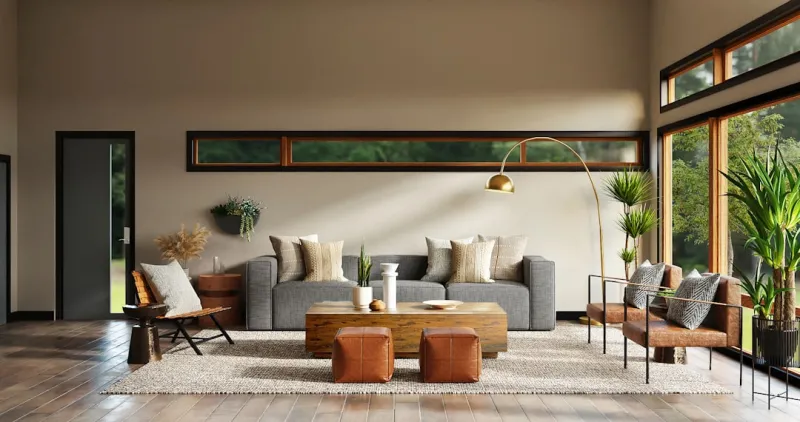
Designing a Greener Home: Interior Trends That Matter
Explore how sustainable materials, biophilic design, and smart tech are reshaping interiors, offerin... Read More
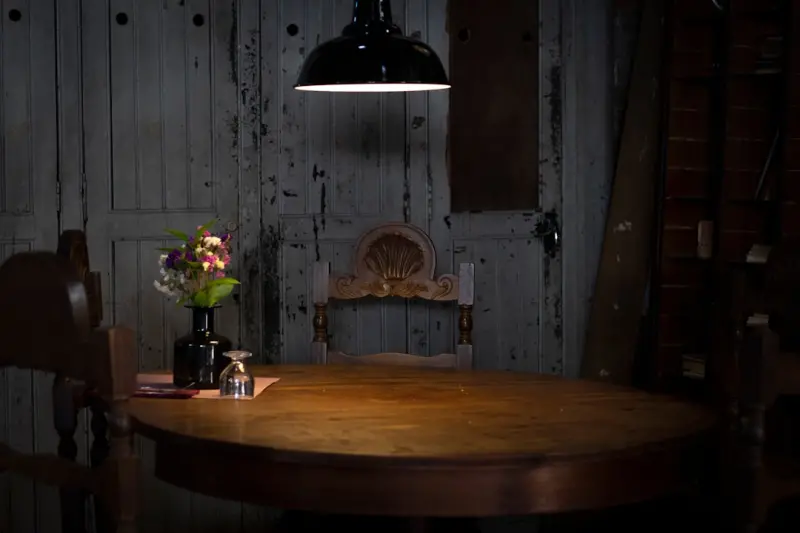
Beyond Aesthetics: Crafting Interior Spaces That Nurture Mind, Body, and Soul
Discover a fresh approach to interior design that goes beyond looks, integrating nature, sound, and ... Read More
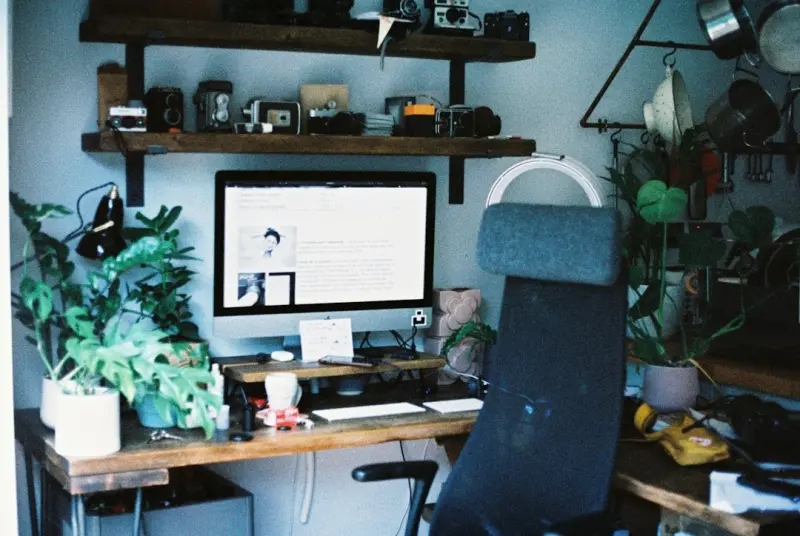
Designing Home Offices That Boost Focus and Calm
A deep dive into color psychology, biophilic elements, acoustic comfort, and ergonomic style, offeri... Read More
Top Posts

The Rise of Modular Robotics in Industrial Production
A deep dive into modular robotics shows how factories can adapt quickly, reduce waste, and stay ahead of market shifts by embracing interchangeable, smart robot...Read More
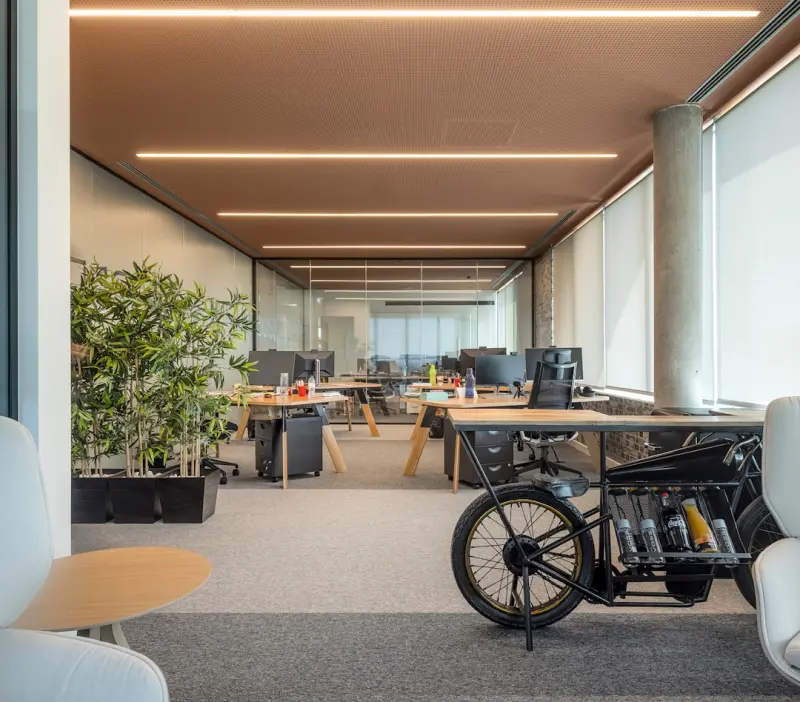
Smart Appliances Transform Modern Workspaces
Smart appliances are evolving from simple utilities to data‑rich, networked assets that enhance productivity, cut costs, and support sustainability in modern ...Read More

Micro‑Community Mastery: Turning Niche Tribes into Brand Powerhouses
Learn the strategy behind micro‑communities, how to find them, leverage micro‑influencers, and turn intimate groups into loyal brand champions....Read More

Parametric Insurance: Converting Weather Data into Predictable Payouts
A deep dive into parametric insurance, showing how businesses can leverage real‑time weather data and smart contracts to protect against climate‑related dis...Read More
0 Comments
Post Comment
You will need to Login or Register to comment on this post!