
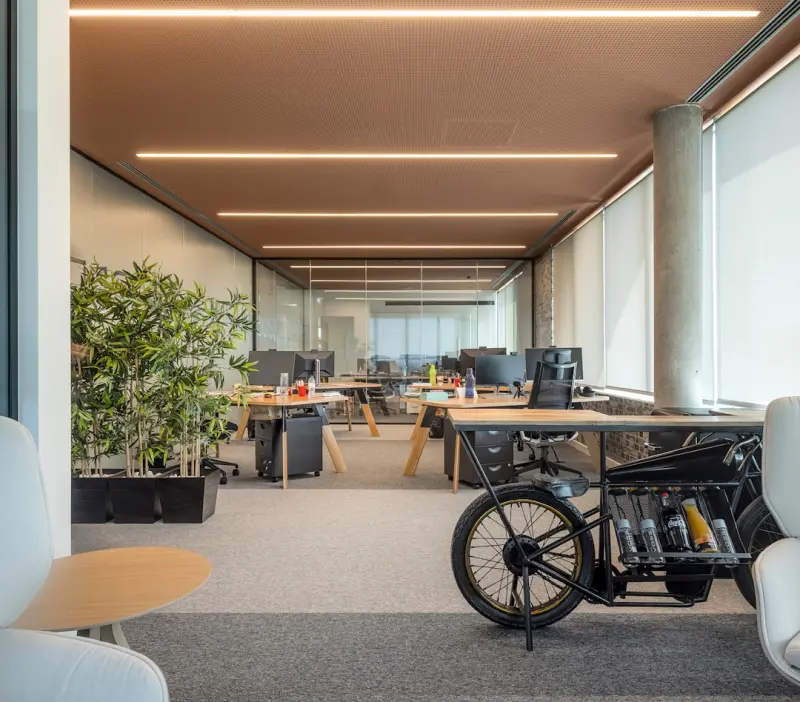
Why Appliances Are No Longer Just Kitchen Helpers
When I first started writing about SaaS, my mind gravitated toward cloud platforms, APIs, and the endless dance of data. Over time, I began to notice a quiet revolution simmering in the background of every office, coworking space, and even the occasional home‑based startup: appliances are turning into data‑rich, network‑enabled partners in productivity. No longer confined to reheating lunch or grinding coffee beans, today’s appliances are smart, sustainable, and strategically integrated into the very fabric of modern work life.
The Hidden Costs of Traditional Appliances
Most businesses still treat appliances as afterthoughts—budget line items that get replaced only when they break. This mindset masks three costly blind spots:
- Energy waste: Legacy devices often operate at peak power even when idle, inflating utility bills and carbon footprints.
- Operational friction: A broken coffee maker can halt a morning sprint, while an unreliable fridge can spoil inventory for a catering operation.
- Data opacity: Traditional appliances offer no insight into usage patterns, maintenance needs, or performance trends.
When you quantify these hidden expenses, the ROI of upgrading to a smart ecosystem becomes unmistakable.
The Smart Appliance Shift: From Stand‑Alone to Networked Assets
Enter the era of connected appliances. Powered by low‑energy Wi‑Fi, Thread, or even emerging 5G modules, devices now speak a common language: data. They can be monitored, scheduled, and optimized from a central dashboard—much like SaaS tools we already love.
Take a AI‑driven kitchen innovation that learns employee taste preferences and automatically adjusts temperature and brewing time for the perfect cup of coffee. Or a conference‑room refrigerator that tracks snack inventory, sending low‑stock alerts directly to procurement software. These aren’t gimmicks; they are productivity levers that free teams to focus on creative work rather than manual upkeep.
Sustainability Meets Efficiency
Environmental stewardship is no longer a buzzword; it’s a business imperative. Smart appliances contribute to sustainability in three concrete ways:
- Dynamic power management: Sensors detect usage patterns and power down non‑essential components during idle periods.
- Predictive maintenance: Machine‑learning models forecast component wear, preventing catastrophic failures that generate waste.
- Resource optimization: Water‑saving dishwashers and energy‑aware HVAC units adjust cycles based on real‑time occupancy data.
Companies that adopt these technologies often see a 10‑15% reduction in utility costs within the first year, a figure that resonates strongly with CFOs looking to tighten budgets.
Connecting Appliances to SaaS: The Integration Playbook
Smart appliances become truly powerful when they’re woven into existing SaaS ecosystems. Here’s a three‑step playbook I’ve refined while consulting for mid‑size firms:
- Data ingestion: Use an MQTT broker or RESTful endpoint to funnel appliance telemetry into your analytics platform.
- Orchestration: Leverage workflow tools (like Zapier or native integrations in your ERP) to trigger actions—e.g., auto‑ordering coffee beans when consumption spikes.
- Visualization: Build dashboards that surface key metrics—energy use per device, downtime incidents, or user satisfaction scores.
For organizations that already rely on robust SaaS stacks, this approach feels natural. In fact, many teams discover that the same human‑centric intelligence frameworks used in industrial IoT can be repurposed for office appliances, creating a unified data model across the enterprise.
Case Study: A Boutique Marketing Agency’s Coffee‑Powered Transformation
When a 30‑person agency in downtown Seattle replaced its legacy espresso machine with a connected model, the impact was immediate:
- Reduced wait times: The machine learned peak usage hours and pre‑heated during those windows, cutting average line wait from 4 minutes to under 1 minute.
- Inventory savings: Sensors tracked bean consumption, prompting automatic replenishment before stockouts occurred.
- Energy savings: The device entered a low‑power sleep mode after 10 minutes of inactivity, saving roughly 300 kWh annually.
The agency reported a measurable boost in employee morale and a 5% increase in billable hours attributed to smoother morning routines.
Future‑Facing Appliances: What’s on the Horizon?
Looking ahead, a few emerging trends promise to deepen the appliance‑SaaS symbiosis:
- Edge AI on the device: Miniaturized neural networks will allow appliances to make real‑time decisions without cloud latency.
- Zero‑Trust security models: As appliances become entry points for corporate networks, manufacturers are adopting zero‑trust architectures to prevent lateral attacks.
- Open‑source firmware ecosystems: Communities are building plug‑and‑play modules that enable custom logic—think a fridge that orders groceries based on expiration dates.
These innovations echo the broader tech narrative of “WebAssembly for appliance connectivity,” where lightweight, portable runtimes bring unprecedented flexibility to embedded devices.
Practical Steps for Leaders Ready to Upgrade
If you’re convinced that appliances deserve a seat at the strategic table, start with these actionable steps:
- Audit your current inventory: Identify high‑impact devices—coffee makers, refrigerators, HVAC units, and printers.
- Prioritize based on ROI: Choose appliances that promise quick payback through energy savings or productivity gains.
- Select open, standards‑based solutions: Look for devices that support MQTT, OpenAPI, or Matter protocol to ease integration.
- Pilot with a single department: Gather data, refine dashboards, and iterate before scaling organization‑wide.
- Educate staff: Communicate the benefits and train users on new features to maximize adoption.
Remember, the goal isn’t to replace every gadget overnight but to build a connected, data‑driven environment that continuously learns and adapts.
Conclusion: Appliances as Strategic Assets
In the same way SaaS transformed how we think about software, smart appliances are redefining how we think about the physical workspace. They are no longer passive utilities; they are active contributors to efficiency, sustainability, and employee experience. By treating appliances as strategic assets, forward‑thinking organizations can unlock hidden value, reduce overhead, and create a workplace that feels both modern and humane.

Margaret Thomson is a seasoned freelance writer specializing in the dynamic worlds of marketing and advertising. With a career deeply rooted in the marketing field, Margaret brings a wealth of practical experience and insightful knowledge to her writing.
Related Posts
Revolutionizing Home Appliances: How Technology is Changing the Way We Live
Technology is revolutionizing home appliances, making them smarter, more efficient, and more sustain... Read More
When Your Appliances Start Anticipating Your Needs
Smart appliances are evolving from reactive tools to proactive partners that anticipate inventory, o... Read More

The Evolution of Eco-Friendly Appliances: A Greener Future for Your Home
Explore the world of eco-friendly appliances and learn how they're changing the way we live. From sm... Read More
Top Posts

The Art of a Lean Plugin Stack: Performance, Security, and Longevity
A deep dive into trimming your plugin inventory, tightening security, and choosing tools that scale, all from a hands‑on perspective that balances performance...Read More

The Smartphone Revolution: A Personal Journey Toward Sustainable Tech
A first‑person look at how choosing repairable, eco‑friendly phones and accessories can transform daily tech use into a powerful act of environmental stewar...Read More

Turning Your Digital Footprint into Cash: The Rise of Personal Data Marketplaces
Explore the new frontier of personal data marketplaces, where users can monetize their digital footprints, gain transparency, and shape a fairer internet econom...Read More

Cultivating a Living Brand Narrative for SaaS Success
A living brand narrative turns logos into lasting stories. Discover purpose‑driven branding, experience‑centric chapters, and community co‑creation to mak...Read More
0 Comments
Post Comment
You will need to Login or Register to comment on this post!