
The Rise of Social Audio: Why Your SaaS Should Start Talking (Literally)
When I first heard about a platform where people literally “talked” to each other in a virtual room without the need for video, I thought it was just another fad for influencers to showcase their vocal cords. Fast‑forward a few months, and the boardroom is buzzing about how social audio could become the next big acquisition channel for B2B SaaS. If you’ve been glued to your LinkedIn feed for the past year, you’ve probably seen CEOs, product heads, and even venture capitalists hopping on Clubhouse, Twitter Spaces, and the newer wave of audio‑first experiences. The question isn’t “if” we should be there—it’s “how” we can turn those spontaneous conversations into a disciplined lead‑generation engine.
Why Audio Beats Text in the B2B Playground
Text‑based social media is noisy. A single tweet gets lost in a sea of hashtags, memes, and political rants. Audio, by contrast, forces a level of intimacy that text simply can’t replicate. When a product leader drops into a Space and shares a real‑world use case, listeners hear inflection, pauses, and genuine excitement. Those vocal cues build trust faster than a polished blog post.
Research (yes, the kind that actually matters) shows that listeners retain up to 60% more information when content is delivered audibly versus visually. That means every minute you spend on a live conversation is worth more than a comparable minute of scrolling. For SaaS, where the buying cycle often hinges on nuanced understanding of ROI, that extra retention can be the difference between a cold lead and a warm, ready‑to‑talk prospect.
Mapping the Audio Landscape: Platforms Worth Your Time
- Clubhouse – Still the pioneer, especially for exclusive invite‑only rooms that feel like “members‑only” clubs.
- Twitter Spaces – Leverages your existing follower base; great for rapid, low‑friction events.
- LinkedIn Audio Events – Tailored for professional audiences, with built‑in integration to LinkedIn’s networking tools.
- Spotify Greenroom (now called Live Sessions) – Emerging as a hub for industry‑wide roundtables.
Each platform has a slightly different vibe, but they share three common denominators: real‑time interaction, discoverability through “rooms,” and the ability to record for on‑demand repurposing.
From “Talk” to “Track”: Building a Playbook
Think of social audio as a live funnel. The top of the funnel is awareness—people stumble into your room because the topic is hot. The middle is engagement—Q&A, live demos, and case studies. The bottom is conversion—capturing contact info, scheduling demos, or offering a limited‑time trial.
Here’s a step‑by‑step framework that has worked for my own team at PulseMetrics (yes, that’s a fictional SaaS for illustration):
- Identify a niche pain point. Instead of “how to improve SaaS analytics,” we tackled “why your churn dashboard is lying to you.” Specificity draws the right crowd.
- Invite a credible guest. A VP of Product from a well‑known SaaS brand lent instant authority.
- Script the first 10 minutes. We prepared an opening hook, three key takeaways, and a single call‑to‑action (CTA).
- Leave room for organic conversation. Listeners love to interject; those moments are where trust is built.
- Capture leads in real time. A pinned link to a short form (yes, a one‑field email) appears in the chat, with a promise of a “post‑event cheat sheet.”
- Repurpose immediately. The recording is trimmed into micro‑clips, turned into blog posts, and fed into our content engine for SEO benefits.
Turning Listeners into Qualified Leads—The “Ask‑Then‑Offer” Method
One mistake many SaaS marketers make is to “sell” too early. In the audio world, the audience is already listening; you just need to make the ask feel natural. I call it the Ask‑Then‑Offer method:
- Ask: “Who here has struggled to align their sales and marketing dashboards?” (Raise your hand emoji in chat.)
- Listen: Let the audience share their frustrations. Jot down recurring themes.
- Offer: “If you’re dealing with that, we’ve just released a free alignment worksheet that you can download right now.” Then drop the link.
This sequence respects the listener’s time, validates their pain, and provides immediate value—exactly the ingredients of a high‑quality lead.
Metrics That Matter: Measuring Audio Success
Unlike static posts, audio gives you a richer data set. Track these KPIs:
- Live Attendance – Total unique listeners per session.
- Engagement Rate – Ratio of comments/questions to total listeners.
- Conversion Rate – Percentage of listeners who complete your post‑event CTA.
- Replay Views – How many times the recorded session is viewed on-demand.
- Content Lift – Incremental traffic to related blog posts (hello, social micro‑communities).
When you overlay these numbers onto your existing funnel metrics, you’ll quickly see where audio is adding real pipeline value and where you need to tweak your format.
Integrating Audio with Your Existing Social Stack
Social audio shouldn’t exist in a vacuum. Here’s how to weave it into the broader ecosystem:
- Cross‑Promote – Announce upcoming Spaces on LinkedIn, Twitter, and your company newsletter.
- Clip Highlights – Extract 30‑second nuggets and post them as TikTok or Instagram Reels, driving traffic back to the full recording.
- SEO Boost – Publish a transcribed blog post, embed the audio, and optimize for long‑tail keywords like “SaaS churn dashboard podcast.”
- CRM Automation – Connect the lead capture form to your CRM, tag prospects as “Audio Engaged,” and nurture them with personalized email sequences.
When executed correctly, audio becomes a catalyst that amplifies every other channel, not a siloed experiment.
Common Pitfalls and How to Avoid Them
Pitfall #1: Over‑Producing – Trying to make a Space feel like a TV show (multiple hosts, heavy graphics) can dilute authenticity. Keep it simple; the human voice is your star.
Pitfall #2: Ignoring the Community – Listeners expect you to show up consistently. If you host once and disappear, you’ll lose credibility. Set a cadence (weekly or bi‑weekly) and stick to it.
Pitfall #3: Failing to Follow Up – The magic happens after the mic is turned off. Send a thank‑you email with the cheat sheet, a link to the recording, and a clear next step.
Future‑Proofing: The Audio‑First Mindset
Remember when video was the “new thing”? Within five years, audio is projected to dominate more than 30% of social interactions. The advantage of jumping in now is twofold: you secure early‑adopter credibility and you build a library of evergreen content that can be repurposed forever. Think of it as a living knowledge base—each session adds another chapter to your brand story.
Putting It All Together: Your First Audio Play
Ready to test the waters? Here’s a quick starter kit:
- Topic: “Why 80% of SaaS churn is a data‑visualization problem.”
- Guest: A data analyst from a well‑known SaaS (even a friendly competitor works).
- Platform: Twitter Spaces (easy to set up, built‑in audience).
- Promotion: Tweet three teasers over the week, tag the guest, and add a simple sign‑up form.
- CTA: Offer a free “Churn Diagnostic Checklist” to everyone who stays until the end.
Launch, record, repurpose, and watch the leads roll in. If you’ve already got a content engine in place, you’ll be surprised at how quickly those audio assets start feeding your SEO, email, and social pipelines.
Final Thoughts: Speak Up, Scale Up
Social audio is more than a buzzword—it’s a strategic lever that lets SaaS companies break through the content clutter with genuine, human connection. By treating each conversation as a mini‑funnel, measuring the right metrics, and integrating the recordings back into your broader marketing stack, you can turn casual listeners into qualified opportunities.
So, the next time you see a notification that a new Space is starting, don’t just scroll past. Jump in, ask a question, and start thinking about how you can host your own. Because in the world of B2B SaaS, the loudest voice isn’t always the best; it’s the most authentic voice that wins.

Brad Hays is a freelance writer known for his versatile skill set and ability to craft compelling content across a wide range of industries.
Related Posts
Beyond Likes: Building Community in the New Social Audio Era
Social audio is more than a fleeting trend; it’s a powerful, voice‑first way to create authentic... Read More
Social Media in 2026: Why Green Is the New Viral
In 2026, social platforms are shifting toward sustainability. Discover the rise of eco‑influencers... Read More
The Secret Sauce Behind Viral Social Media in a Sustainable Age
Learn the winning blend of genuine storytelling, eco‑influencer power, and smart data to create vi... Read More
Top Posts
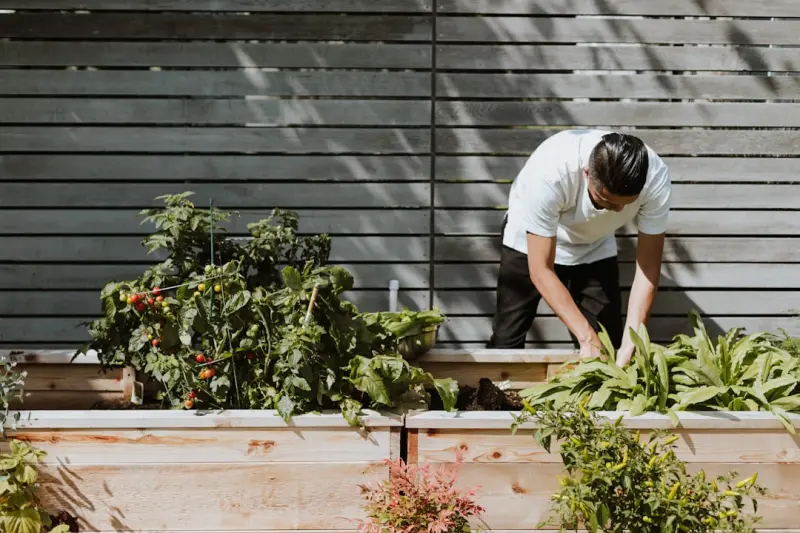
Cultivating a Garden Mindset: How Green Spaces Supercharge Business Creativity
A garden isn’t just a hobby—it’s a living laboratory for resilience, data‑driven insight, and collaborative culture. Learn how to turn green spaces into...Read More

Trailblazing Trends: How Outdoor Recreation Fuels Sustainable Living
Discover how mindful hiking, eco‑friendly camping, and seasonal adventures can transform your health and the planet, guided by a passionate outdoor enthusiast...Read More
When Borders Blur: How Digital Nomads are Redefining Urban Life
Digital nomads are transforming cities by creating micro‑communities, fueling cultural exchange, and spurring economic change, while also prompting new challe...Read More

The Silent Surge: Managing Mental Load in a Hyper‑Connected World
In today’s hyper‑connected environment, endless notifications and constant multitasking create a hidden mental load that harms productivity and wellbeing. T...Read More
0 Comments
Post Comment
You will need to Login or Register to comment on this post!