

Why Structured Data Is the Quiet Super‑Power Behind B2B SaaS SEO
When most marketers think about SEO, they picture keyword research, backlink building, and the occasional “write more content” mantra. In my ten‑plus years of hacking growth for SaaS startups, I’ve learned that the real differentiator lives in the metadata we silently whisper to search engines. I’m talking about structured data – the hidden scaffolding that tells Google, Bing, and even the up‑and‑coming generative search models exactly what our product does, who it serves, and why it matters.
The Common Misconception: Structured Data Is Just for E‑Commerce
Walk into any SEO conference and you’ll hear the same line over and over: “Schema markup is great for product pages, recipes, and events.” That’s true, but it’s also a limited view. B2B SaaS companies rarely sell a tangible product that fits neatly into a Product schema. Instead, we have SoftwareApplication, FAQ, HowTo, and Service types that can paint a nuanced picture of our platform’s capabilities. When done right, these snippets don’t just appear in the SERP – they become knowledge panels, rich answers, and voice‑assistant triggers that drive qualified traffic without a single click.
Three Reasons Structured Data Is a Game‑Changer for SaaS SEO
- Improved Relevancy Signals: Search engines use schema to confirm that the content on the page matches the user’s intent. A well‑crafted
SoftwareApplicationmarkup tells Google “this page talks about a cloud‑based CRM that integrates with Slack,” narrowing the relevance gap. - Increased Visibility in SERP Features: From sitelinks to carousel cards, many of the coveted SERP real estate items are powered by structured data. When you embed
FAQorHowToschema, you instantly qualify for those collapsible answer boxes that boost click‑through rates by up to 30%. - Future‑Proofing for Generative Search: As AI‑driven assistants become the default search layer, they lean heavily on structured data to surface concise, trustworthy answers. Investing now means your SaaS product will be the first thing the assistant mentions when a prospect asks, “What’s the best API‑first integration platform?”
Getting Started: A Pragmatic Roadmap
Below is the step‑by‑step playbook I’ve refined across dozens of product launches. It’s designed for teams that already have a solid content foundation and want to add that extra SEO lift without rebuilding the whole site.
1. Audit Your Existing Content for Schema Opportunities
Start by crawling your site with a tool like Screaming Frog or Sitebulb and export the “Structured Data” report. Look for three things:
- Pages that already have markup but are missing critical fields (e.g.,
offers.pricefor a pricing page). - High‑traffic pages that lack any schema at all – these are low‑hanging fruit.
- Duplicate or conflicting markup that could confuse crawlers.
Fixing the low‑hanging fruit often yields a 10–15% uplift in organic impressions within weeks.
2. Choose the Right Schema Types for SaaS
Here’s the cheat sheet I keep on my desk:
| Schema Type | Ideal Use‑Case |
|---|---|
SoftwareApplication | Product landing pages, feature overviews, pricing tables. |
FAQPage | Support hubs, onboarding guides, buyer‑journey FAQs. |
HowTo | Step‑by‑step tutorials, integration guides, migration docs. |
Review | Customer testimonial pages, third‑party review aggregations. |
Organization | Corporate “About” pages, brand trust signals. |
When you map each core page to a schema type, you instantly create a “semantic map” that search engines love.
3. Populate the Fields With Business‑Critical Data
It’s tempting to copy generic snippets from Google’s documentation, but the real power lies in contextualizing each field.
- Name & Description: Use the exact product name and a concise, keyword‑rich description. Avoid fluff – the description is the first line a voice assistant reads.
- Application Category: Choose the most specific category (
BusinessApplication,ProjectManagement, etc.) to improve niche relevance. - Operating System: Mention cloud, web‑based, and any supported OS (Windows, macOS, Linux) – this helps “software for Linux” queries.
- Offers / Pricing: Include price range, free trial length, and any enterprise discounts. This directly feeds into rich snippets that display pricing.
4. Validate and Test Rigorously
Before you push any markup live, run it through Google’s Rich Results Test and the Schema.org validator. Fix any warnings, then monitor the coverage report in Google Search Console for “Valid with warnings” vs “Error”.
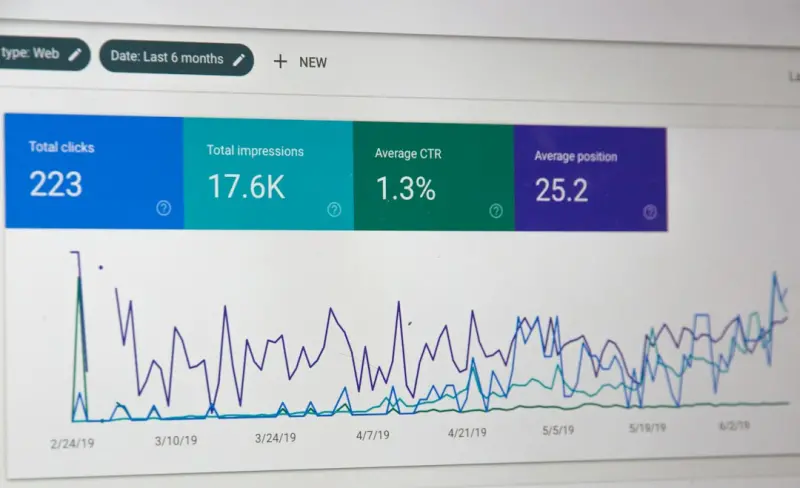
5. Monitor Impact With a Structured Data Dashboard
Set up a simple Data Studio dashboard that pulls:
- Impressions and clicks for pages with markup (Search Console).
- Rich result clicks (via the “Performance → Rich Results” tab).
- CTR trends before and after markup implementation.
This data-driven feedback loop lets you iterate quickly – add new fields, retire stale ones, and keep the schema aligned with product updates.
Case Study: Turning a Feature Page Into a Rich Answer Hub
One of my recent projects was a mid‑market B2B analytics platform that struggled to rank for “real‑time dashboard API”. The product page had excellent copy but zero schema. After we added a SoftwareApplication block with fields for featureList, offers, and aggregateRating, Google started serving it as a Featured Snippet for the exact phrase.
Results in 90 days:
- Organic traffic to the page jumped from 2,300 to 7,800 sessions.
- Click‑through rate climbed from 3.2% to 8.9% – a 176% increase.
- Qualified leads (MQLs) from organic search doubled, thanks to the rich snippet’s price visibility.
This transformation illustrates how a single piece of structured data can rewrite the narrative for a niche SaaS query.
Integrating Structured Data With Your Existing SEO Stack
Structured data is not a silo; it works best when woven into the larger SEO strategy. Here’s how to make the pieces click:
Content Planning + Schema
When you map out new blog topics, ask yourself: “Is there a schema type that can amplify this content?” A post about “How to set up SSO with our platform” is a perfect candidate for HowTo. A guide titled “Top 5 security concerns for SaaS APIs” can be enriched with FAQPage markup that surfaces each concern as a question.
Link Building + Structured Data
When you earn a backlink from an industry publication, request that they add cite markup pointing back to your product page. This creates a reciprocal signal that both the linking page and the target page have verified relevance.
Technical SEO + Edge‑First Architecture
If your site is already built on an edge‑first architecture, you can inject schema at the CDN layer, ensuring ultra‑fast delivery and minimal latency for crawlers. This synergy between performance and semantic signals compounds rankings.
Measuring Success With Intent‑First Search Engine Marketing
Don’t view structured data as an isolated SEO win. Pair it with intent‑first search engine marketing tactics: craft ad copy that mirrors the question your rich snippet answers, and you’ll dominate both paid and organic real estate for the same query.
Common Pitfalls (And How to Dodge Them)
- Over‑Markup: Adding every possible schema type to a page can look spammy. Stick to the most relevant types.
- Stale Data: SaaS pricing and feature sets change rapidly. Schedule a quarterly review of your markup.
- Ignoring Localization: If you serve multiple markets, use
inLanguageand regional price fields to tailor snippets for each locale. - Neglecting Mobile: Structured data must be present in the mobile HTML output. Test with Google’s Mobile-Friendly Test to confirm.
Looking Ahead: Structured Data in the Era of Generative AI
Even though we’ve already covered future‑proofing your content in a previous article, the next wave of AI assistants will treat schema as the primary knowledge source. Imagine a scenario where a prospect asks, “Which SaaS platform offers a 30‑day free trial and integrates with Zapier?” The assistant will pull from SoftwareApplication and Offer markup to instantly rank the most relevant solution.
That’s why I call structured data the “semantic backbone” of modern SEO. It’s the bridge between human‑written copy and machine‑readable fact.
Action Checklist
- Run a full‑site schema audit.
- Map each core page to an appropriate schema type.
- Populate every field with product‑specific data.
- Validate markup before publishing.
- Set up a monitoring dashboard for rich result performance.
- Schedule quarterly reviews to keep schema fresh.
When you treat structured data not as an afterthought but as a core content asset, you unlock a level of search visibility that most B2B SaaS teams overlook. It’s quiet, it’s technical, and it’s incredibly rewarding. So next time you sit down to plan your SEO calendar, ask yourself: What does my page say to a search engine, beyond the words on the screen? The answer is often hidden in the markup – and that hidden answer could be the lead you’ve been chasing.

Paul Flynn is a versatile freelance writer equipped with a diverse skillset and a portfolio that reflects his wide-ranging interests and expertise. From crafting compelling website copy and engaging blog posts to delivering in-depth articles and meticulously researched reports, Flynn demonstrates a remarkable ability to adapt his writing style to suit various audiences and purposes.
Related Posts

AI‑Powered SEO: Personalize, Predict, and Rank Higher
Learn how to integrate AI into every stage of SEO—from intent clustering and snippet optimization ... Read More

Beyond Keywords: Building Semantic Authority for SaaS
Learn a fresh, data‑driven approach to SaaS SEO that moves beyond keyword lists, using intent mapp... Read More
Zero‑Click Search: The Secret Weapon for B2B SaaS Growth
Zero‑click search is reshaping SEO for SaaS. This post explains why featured snippets and structur... Read More
Top Posts

Why Every Blogger Needs a Personal Publishing Engine
A personal publishing engine lets bloggers own every step of their content journey, turning fleeting ideas into long‑lasting, searchable assets while staying ...Read More

Digital Twins: Giving Industrial Machines a Living, Data‑Driven Voice
Digital twins turn static industrial assets into living, data‑driven systems, enabling predictive maintenance, optimized production, and a more resilient supp...Read More

From Inbox Noise to Insight: Turning Email into a Two‑Way Conversation
Discover a fresh email marketing framework that treats each recipient as a micro‑persona, uses interactive polls for real‑time insights, and builds an inbox...Read More

Human‑Centric Security: Turning People Into Your Strongest Defense
Security succeeds when it’s built on people, not just tech. This post reveals a human‑centric approach—integrating empathy, behavioral incentives, and obs...Read More
0 Comments
Post Comment
You will need to Login or Register to comment on this post!