

The Car as a Moving Sanctuary: Redefining Personal Wellness on Wheels
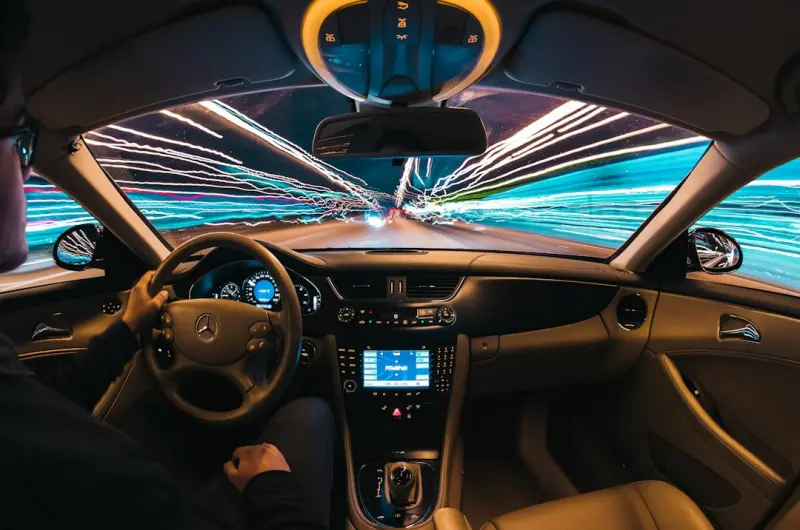
When I first slipped into the driver’s seat of my old hatchback after a long week of client calls, I expected the usual blend of engine hum and the faint scent of leather. Instead, I was greeted by a subtle cascade of calming light, a whisper of aromatic mist, and a gentle pulse that seemed to sync with my breathing. It was as if the vehicle had sensed my fatigue and was offering a private retreat on the road.
This experience isn’t a futuristic fantasy—it’s the emerging reality of automobiles designed as holistic wellness sanctuaries. While many tech‑savvy drivers focus on connectivity, autonomous navigation, or raw performance, a quieter revolution is taking place under the dashboard: the integration of physiological monitoring, ambient environments, and adaptive ergonomics to nurture the driver’s mind and body.
Why Wellness Matters in the Mobile Era
Remote work, flexible schedules, and the gig economy have blurred the line between office and commute. For many professionals, the car has become a third workplace—a place to answer emails, conduct video calls, or simply decompress after a marathon of meetings. Yet, most vehicles still treat occupants as passive passengers, offering only basic climate control and seat adjustments.
Research from occupational health specialists indicates that prolonged exposure to stressors—traffic, noisy cabins, sub‑optimal seating—can elevate cortisol levels, impair focus, and even exacerbate chronic conditions like hypertension. By proactively addressing these factors, manufacturers can transform the car from a stress amplifier into a restorative space.
Key Pillars of a Wellness‑Focused Cabin
- Physiological Feedback Loops – Sensors embedded in the seat, steering wheel, and headrest can monitor heart rate variability, respiration, and skin conductance. This data feeds a real‑time algorithm that adjusts lighting, temperature, and even seat firmness to promote relaxation or alertness, depending on the driver’s state.
- Dynamic Ambient Environments – Adjustable LED strips, circadian lighting, and soundscapes that respond to time of day and driver mood create a soothing atmosphere. Imagine a sunrise hue during early morning commutes that gently awakens you, or a soft amber glow for evening drives that prepares your body for rest.
- Ergonomic Evolution – Beyond simple lumbar support, next‑generation seats incorporate micro‑vibrations that emulate massage techniques, and materials that adapt their contour based on posture analytics. This reduces muscular fatigue and encourages natural spinal alignment.
- Air Quality Management – Advanced filtration systems coupled with ionizers can detect pollutants, allergens, and even volatile organic compounds (VOCs) emitted from interior plastics. The cabin then actively purifies the air, ensuring each breath contributes to wellbeing.
- Mindful Interfaces – Voice‑first interactions and minimalistic digital displays reduce visual clutter. When a navigation prompt is needed, the system can deliver a concise auditory cue, allowing the driver’s eyes to stay on the road and their mind to stay centered.
From Concept to Reality: Real‑World Implementations
Several luxury marques have already piloted elements of this wellness ecosystem. A Scandinavian brand introduced “Calm Mode,” which dims interior lighting, lowers seat firmness, and plays a curated playlist of ambient sounds when it detects a high stress level via wearable integration. Meanwhile, a Japanese manufacturer unveiled a cabin air system that not only filters particulates but also releases a faint lavender aroma, scientifically linked to reduced anxiety.
These early adopters demonstrate that the technology stack—sensors, AI‑driven personalization, and environmental controls—is both viable and scalable. As component costs decline, we can expect a trickle‑down effect, bringing these features to mainstream models within the next few years.
Intelligent Driving Assistants and Wellness
While autonomous driving promises to liberate us from the mechanical aspects of travel, it also offers a unique canvas for wellness design. An intelligent driving assistant can predict fatigue by analyzing steering patterns and eye‑tracking data. When it senses the driver’s attention waning, the system can suggest a micro‑break, automatically adjust cabin lighting, or even initiate a short guided breathing exercise.
This symbiosis of safety and health creates a feedback loop: reduced fatigue leads to better driving performance, which in turn enhances the overall travel experience. It’s a subtle shift from viewing driver assistance as purely functional to seeing it as a partner in personal wellbeing.
Modular Wellness Packages: Customizing Your Sanctuary
One-size-fits‑all approaches rarely satisfy the nuanced needs of diverse drivers. To address this, manufacturers are experimenting with modular add‑on kits that can be installed post‑purchase. A driver who values mindfulness might opt for a “Zen Package” featuring aromatherapy diffusers, a meditation‑focused sound library, and a seat that offers gentle rhythmic pulses. Conversely, a high‑performance enthusiast could select a “Focus Package” that tightens seat bolsters, introduces energizing citrus scents, and projects a subtle, invigorating light spectrum.
This modular philosophy mirrors trends in personal tech—think of how smartphones can be equipped with a range of accessories to tailor functionality. By decoupling wellness features from the base vehicle, owners can evolve their cabin as their lifestyle changes.
Community‑Driven Wellness: Dynamic Car Clubs
Beyond individual experiences, there is a growing movement of drivers forming wellness‑oriented car clubs. These groups organize “mindful road trips,” where participants share routes that pass through scenic vistas, schedule guided meditation stops, and exchange tips on optimizing cabin environments. Such clubs foster a sense of belonging, turning solitary commutes into shared journeys of health and connection.
These gatherings echo the spirit of dynamic community car clubs, yet they focus on holistic wellbeing rather than competition. By leveraging digital platforms, members can synchronize their vehicle settings, share ambient playlists, and even collectively track collective stress‑reduction metrics.
Challenges and Considerations
While the promise of wellness‑centric cabins is compelling, several hurdles remain:
- Data Privacy – Continuous physiological monitoring raises legitimate concerns about how data is stored, who can access it, and how it might be monetized. Transparent consent mechanisms and edge‑processing (where data is analyzed locally within the vehicle) are essential.
- Standardization – With multiple manufacturers experimenting, a lack of industry standards could lead to fragmented user experiences. Collaborative bodies may need to establish baseline protocols for sensor accuracy and data interchange.
- Cost Barriers – Advanced sensors and adaptive materials add to the vehicle’s price tag. Economies of scale and tiered packaging will be crucial to make these features accessible to a broader audience.
- Driver Distraction – Ironically, an overabundance of ambient options could become a new source of distraction. User‑centric design must prioritize simplicity, ensuring that wellness cues enhance rather than detract from road focus.
Looking Ahead: The Future Roadmap
As we stand on the cusp of this transformation, several trends point toward a deeper integration of wellbeing into automotive design:
- Biometric‑First Architecture – Future vehicles may be built around a core biometric hub, allowing all cabin systems to respond cohesively to the driver’s physiological state.
- Cross‑Device Ecosystems – Wearables, smart home devices, and the car could synchronize, ensuring that your wellness routine follows you from bedroom to office to road.
- AI‑Curated Experiences – Machine learning models will predict optimal cabin conditions based on historical data, calendar events, and even weather forecasts, delivering a truly anticipatory environment.
- Regulatory Support – As governments recognize the health impact of transportation, incentives may emerge for manufacturers that prioritize wellness features, similar to emissions standards today.
Conclusion: Embracing the Mobile Sanctuary
The automobile has long been a symbol of freedom, speed, and status. By reimagining the cabin as a moving sanctuary, we unlock a new dimension of that freedom—one that grants us agency over our own health, even as the world rushes past. The road ahead is paved not just with faster engines and smarter software, but with mindful design that honors the driver’s most fundamental need: to feel balanced, refreshed, and ready for whatever lies beyond the horizon.
As we continue to blur the boundaries between work, leisure, and travel, the car will evolve from a mere transport device into an intimate extension of our personal wellbeing. The next time you settle into the driver’s seat, ask yourself: what does your vehicle need to become your own mobile sanctuary?
For those curious about the broader technological shifts enabling these experiences, exploring the concept of next‑generation vehicle platforms offers valuable context. The convergence of adaptive interiors, biometric feedback, and intelligent assistance signals a future where every journey is an opportunity for holistic renewal.

When it comes to the world of blogging and writing, Rose DesRochers is a name that stands out. Her passion for creating quality content and connecting with her audience has made her a trusted voice in the industry. Aside from her skills as a writer and blogger, Rose is also known for her compassionate nature.
Related Posts

Driving the Future: Real‑Time Telematics and Intelligent Platforms Transform the Automotive Aftermarket
The article delves into the rise of predictive maintenance in the automotive aftermarket, highlighti... Read More

Augmented Reality Windshields: Driving the Next Digital Experience
The article examines the rise of AR windshields, detailing their technology, benefits for navigation... Read More
Driving the Future: Why Car Subscriptions Are Changing How We Own Wheels
Explore the rise of car subscriptions, how they blend flexibility, financial clarity, and community ... Read More
Top Posts

Why Mobile App Privacy Is the New Competitive Advantage
A deep dive into making privacy a core product advantage for mobile apps—covering transparent onboarding, low‑code tools, real‑world case studies, and fut...Read More

Rethinking Insurance: A Sustainable Path to Real Protection
Discover how modern insurance can align with sustainable lifestyles, rewarding eco‑friendly choices and fostering community resilience through purpose‑drive...Read More

Designing for Neurodiversity: The Next Frontier in Inclusive Web Experiences
A deep dive into neuro‑inclusive web design, offering actionable principles, a step‑by‑step workflow, and metrics to ensure digital experiences are intuit...Read More

The Plugin Playbook: Crafting a Lean, High‑Performance WordPress Stack
Learn how to cut plugin bloat, improve speed, and protect your site with a proven, human‑focused workflow that keeps your WordPress stack lean and powerful....Read More
0 Comments
Post Comment
You will need to Login or Register to comment on this post!