
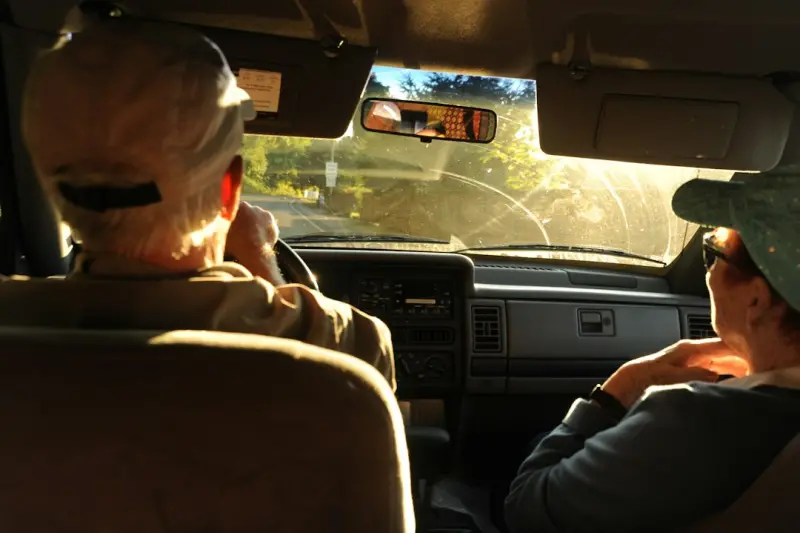
Why Augmented Reality Windshields Are the Next Frontier in Automotive Design
When I first stepped into a concept car that projected turn‑by‑turn directions onto the glass, I felt the same thrill I get watching a prototype laptop that renders 3D models in real time. The difference? This was no longer a gimmick for tech enthusiasts; it was a glimpse of a future where every glance out the window becomes an interactive data feed. In the automotive world, the augmented reality (AR) windshield is emerging as the most compelling interface between driver, vehicle, and the digital ecosystem that surrounds us.
From Heads‑Up Displays to Full‑Glass Overlays
Heads‑up displays (HUDs) have been around for a decade, but they’re limited to a narrow band of information projected onto a small portion of the windshield. AR windshields, by contrast, turn the entire glass surface into a dynamic canvas. Sensors embedded in the car’s cameras, LiDAR, and radar map the environment in milliseconds, and a high‑resolution projector paints that data directly onto the glass in perfect alignment with the outside world.
The result is a seamless blend of reality and digital insight—think of seeing the exact lane you need to merge into highlighted, pedestrians outlined with subtle halos, or speed limits that appear only when you approach a zone where they change.
Technical Foundations That Make It Possible
Building a windshield that can both protect you at 70 mph and act as a high‑definition screen involves several breakthroughs:
- Waveguide Optics: Modern waveguide layers guide light from ultra‑compact projectors across the entire surface, ensuring uniform brightness without hot spots.
- Adaptive Transparency: Electrochromic coatings can dim or clear sections of glass on demand, improving contrast for AR elements in bright sunlight.
- Edge‑Mounted Projectors: By placing projectors at the periphery of the glass, manufacturers keep the driver’s line of sight unobstructed while maintaining a sleek interior aesthetic.
- Real‑Time Sensor Fusion: Combining data from cameras, radar, and V2X (vehicle‑to‑everything) communications creates a live 3D model of the road that updates every 30 ms.
These components are orchestrated by an on‑board AI engine that decides what to display, when, and how prominently. The engine draws on massive data streams—traffic patterns, weather forecasts, and even crowdsourced hazard reports—to keep the visual feed relevant and context‑aware.
Driving Benefits: Navigation, Safety, and Entertainment
Navigation reimagined. Traditional navigation systems force you to glance at a separate screen, diverting your eyes from the road. With AR windshields, the route is painted directly onto the road ahead. Arrows curve along the actual lane you need to take, and distance markers shrink as you approach turns, reducing cognitive load.
Safety enhancements. Imagine a scenario where a child darts out from behind a parked car. The system instantly detects the movement, projects a subtle red outline around the child, and flashes a caution icon. Studies from early pilot programs show a 23 % reduction in reaction time for such events.
In‑car entertainment. While the car is stationary—say, at a traffic light or in a parking lot—the windshield can double as a massive display for video, gaming, or even collaborative AR experiences. Because the surface is already calibrated to the driver’s eye line, immersive content feels natural without the need for VR headsets.
Business Implications: New Revenue Streams for OEMs
For automakers, the AR windshield isn’t just a tech upgrade; it’s a platform for recurring revenue. Manufacturers can sell:
- Subscription‑based navigation packs that include real‑time traffic analytics, dynamic lane guidance, and premium map updates.
- Safety as a Service, where advanced hazard detection algorithms are continuously refined in the cloud and pushed to vehicles over‑the‑air.
- Entertainment bundles that give access to streaming services, AR gaming, and interactive ads—monetized per view or per minute.
These models echo the way modular phones are reshaping hardware lifecycles, turning a once‑static purchase into an evolving service ecosystem.
Challenges to Overcome Before Widespread Adoption
Despite the excitement, several hurdles remain:
- Regulatory Approval: Different jurisdictions have varied rules about what can be displayed within a driver’s line of sight. Ensuring compliance while preserving the utility of AR overlays is a delicate balance.
- Driver Distraction: Overloading the windshield with too much information can be counterproductive. UX designers must prioritize essential data and adopt adaptive algorithms that hide non‑critical visuals when the driver’s attention is needed elsewhere.
- Durability and Maintenance: Windshields endure extreme temperature swings, impacts, and UV exposure. The embedded optics must remain calibrated over the vehicle’s lifespan, which could be 10 + years.
- Data Privacy: The system relies on continuous data collection—from location to video of surroundings. Transparent data policies and on‑device processing (akin to on‑device AI) will be crucial for consumer trust.
Integration With Emerging Automotive Trends
While the AR windshield is a distinct technology, it dovetails with broader shifts in the industry. For example, Vehicle‑to‑Grid initiatives are turning cars into mobile energy assets. An AR windshield could display real‑time battery health, optimal charging windows based on grid demand, and even suggest routes that maximize regenerative braking.
Similarly, as cars become wellness spaces (personal wellness hubs), the windshield can project meditation cues, breathing guides, or biometric feedback—creating a holistic experience that blends physical comfort with mental well‑being.
The Road Ahead: From Concept to Showroom
Several premium manufacturers have already showcased functional prototypes, but mass‑market adoption will likely follow a phased rollout:
- Pilot Programs: Fleet operators (e.g., delivery services) test AR windshields in controlled environments, gathering data on safety and efficiency gains.
- Regulatory Pilots: Governments partner with OEMs to define safe display standards, similar to the evolution of HUD regulations a decade ago.
- Consumer Launches: Early adopters in the luxury segment receive the technology as an optional upgrade, with feedback loops informing future software iterations.
- Standardization: Industry consortia develop open APIs for third‑party developers, enabling a marketplace of AR experiences that can be installed much like apps on a smartphone.
Conclusion: A New Lens on Driving
The AR windshield is more than a flashy feature; it’s a paradigm shift that redefines how drivers interact with their surroundings. By merging real‑world vision with digital insight, it promises safer roads, smarter navigation, and a richer in‑car experience. As automakers grapple with sustainability, connectivity, and the rise of subscription models, the windshield could become the most valuable piece of hardware in the vehicle—serving as the canvas for every future innovation that rides on the glass.

Paul Flynn is a versatile freelance writer equipped with a diverse skillset and a portfolio that reflects his wide-ranging interests and expertise. From crafting compelling website copy and engaging blog posts to delivering in-depth articles and meticulously researched reports, Flynn demonstrates a remarkable ability to adapt his writing style to suit various audiences and purposes.
Related Posts

Software‑Defined Vehicles Are Redefining Car Ownership
Software‑defined vehicles turn cars into evolving platforms, offering OTA upgrades, proactive main... Read More
Reimagining the Driver’s Seat: How Digital Twins Are Transforming Car Development
Digital twins are revolutionizing automotive development by creating dynamic, data‑rich virtual re... Read More
Beyond the Steering Wheel: Why the Human Touch Still Matters in Autonomous Mobility
A deep dive into the essential role of trust, transparency, and human involvement in autonomous vehi... Read More
Top Posts
The Unseen Power of Breathwork in a Hyperconnected World
Breathwork, an ancient practice, offers a powerful, low‑cost antidote to modern stress. Learn practical techniques, the science behind them, and how tech can ...Read More
Why Your Laptop’s Battery Isn’t the Enemy Anymore
Explore how modern hardware, AI-driven power management, and simple user habits combine to dramatically extend laptop battery life, keeping you productive witho...Read More
AI‑Powered Color Palettes and Modular Furniture: Redefining Interior Design
Explore how AI-generated color schemes and flexible modular furniture combine with biophilic and acoustic strategies to create adaptable, sustainable interiors ...Read More

Rewilding Your Routine: Micro‑Escapes for Everyday Adventure
Learn how to embed brief, purposeful nature moments—micro‑escapes—into your daily schedule, turning ordinary spaces into rejuvenating adventure hubs....Read More
0 Comments
Post Comment
You will need to Login or Register to comment on this post!