
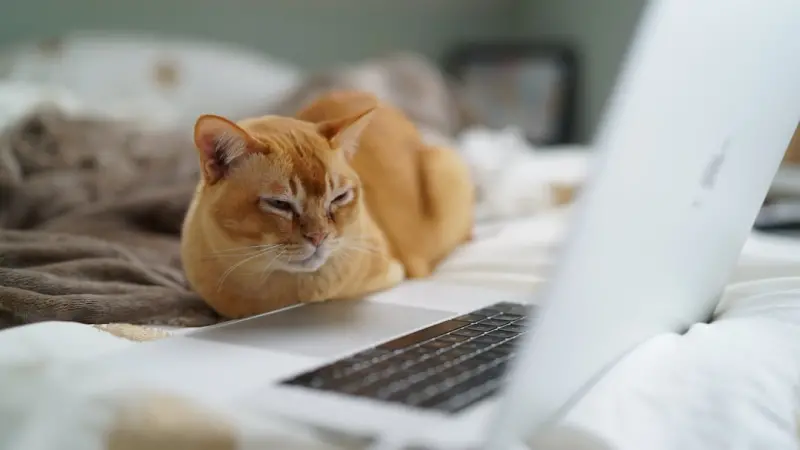
When Your Cat Becomes Your Remote‑Work Co‑Pilot
It’s 8 a.m. in my kitchen‑turned‑home‑office. The coffee is steaming, the laptop is humming, and a sleek tabby named Luna is perched on the edge of my monitor, eyes fixed on the cursor as if she’s about to launch a startup of her own. This isn’t a novelty anecdote; it’s the new normal for millions of professionals who have swapped the cubicle for the living room, the coffee shop for the couch, and now, the solitary desk for a furry (or feathery, or scaly) co‑worker.
In the past few years, remote work has exploded, but what’s less discussed is how our pets have quietly stepped onto the stage as essential members of the home‑office ecosystem. They’re not just background décor; they’re influencers of productivity, mental health, and even the design of the technology we use. In this post, I’ll walk you through the emerging pet‑centric work culture, share practical strategies to make your workspace welcoming for four‑legged (and two‑winged) teammates, and explore the tech that keeps everyone safe and happy.
The Rise of the Pet Co‑Worker
According to a recent Remote Workforce Survey, more than 70 % of remote employees report that they have at least one pet sharing their workspace. The numbers are staggering, but what’s truly fascinating is the shift in perception: pets are no longer “distractions” but productivity partners. A short break to play with a dog can reset a brain’s attention span, while a cat’s gentle purr has been shown to lower cortisol levels, the hormone linked to stress.
- Micro‑breaks, macro impact – A 5‑minute pause to toss a ball or brush a feather can boost focus for the next hour.
- Emotional safety net – In moments of Zoom fatigue, a pet’s unconditional presence offers instant reassurance.
- Creative spark – Watching a hamster navigate a maze or a rabbit hop around a cardboard fort can trigger divergent thinking.
These benefits are not just anecdotal. Companies that have embraced pet‑friendly policies report lower turnover rates and higher employee satisfaction scores. The home office, once a solitary enclave, is morphing into a shared habitat where humans and animals co‑create daily routines.
Designing a Pet‑Centric Workspace
To harness the power of pet co‑workers, you need to design a space that meets both human ergonomics and animal comfort. Here are the key pillars:
- Separate zones, shared vibe – Allocate a dedicated pet nook (a plush bed, a scratching post, or a small perch) that’s within sight but not in the way of your monitor. This satisfies your pet’s need for proximity while preserving your work surface.
- Safe wiring – Cords are tempting chew toys. Use cable organizers or protective tubing to keep them out of reach, reducing hazards and equipment damage.
- Acoustic considerations – Pets can be noisy, especially during the day. Incorporate soft surfaces like rugs and curtains, and consider Acoustic Calm solutions to dampen echo and create a calmer environment for both you and your animal.
- Lighting balance – Natural light boosts mood for humans and stimulates pets. Position workstations near windows, but add blinds to prevent glare on screens.
- Ventilation and scent – Fresh air circulation is crucial for indoor pets. A small air purifier can reduce pet dander while keeping the space comfortable.
When you design with intention, you’ll notice fewer interruptions caused by a restless cat or a dog needing a quick bathroom break. The result? A smoother workflow and a happier pet.
Tech Tools That Keep Pets Safe and Productive
Modern pet ownership intersects with smart home technology more than ever. Below are three categories of tools that make the pet‑friendly office both efficient and secure.
1. Wearable Health Monitors
Smart collars and harnesses now track activity levels, heart rate, and even stress markers. By syncing the data to your phone, you can spot early signs of anxiety (like excessive panting) and adjust your schedule—perhaps a quick walk or an extra play session.
2. Micro‑integrations for Pet Care
Think of micro‑integrations as tiny, purpose‑built automations that link your pet devices to your work tools. For example, a motion sensor on the pet door can send a Slack notification when Luna enters the office, so you know she’s settled and not roaming under your desk. Another integration could trigger a “Do Not Disturb” status on your calendar when your dog’s feeding time arrives, ensuring you’re present for the moment.
- Feeding bots – Schedule automatic meals that sync with your break calendar.
- Environmental alerts – Temperature sensors that alert you if the room becomes too hot for a senior cat.
- Playtime reminders – Calendar events that remind you to engage in a 5‑minute play session.
These micro‑integrations require minimal setup but deliver massive peace of mind, allowing you to stay focused on work while your pet’s basic needs are autonomously managed.
3. Robust Home Network Infrastructure
Streaming a meeting while a pet camera feeds live video can strain a weak Wi‑Fi connection. Leveraging a resilient Mesh Networking system ensures seamless connectivity across every corner of your home, from the office desk to the pet’s favorite hideaway. This eliminates lag, prevents dropped calls, and keeps your pet‑monitoring devices reliably online.
Balancing Productivity and Pet Play
Even with the best setup, the temptation to indulge a pet during work hours is real. The trick is to turn pet interaction into a productivity enhancer rather than a distraction.
- Scheduled micro‑breaks – Use the Pomodoro technique (25 minutes focused work, 5 minutes break). During breaks, engage in a quick fetch or grooming session.
- Task‑linked rewards – Pair the completion of a task with a treat for your pet. This creates a positive feedback loop for both parties.
- Visual cues – A simple “busy” sign on the pet’s bed can signal that you’re in a deep‑work phase, reducing unsolicited interruptions.
By integrating pet interaction into your workflow, you’ll notice a more consistent rhythm, fewer burnout moments, and a stronger bond with your animal companion.
Data Privacy and the Pet Tech Boom
As we embed more sensors and wearables into pet care, a new question emerges: who owns the data? Companies that collect activity logs from smart collars often use that information for product development, but they may also share it with third parties for marketing.
Here are steps to protect both your privacy and your pet’s:
- Read the fine print – Look for clear data‑usage policies before purchasing a device.
- Enable local storage – Some devices allow data to be stored on your phone rather than the cloud.
- Regularly audit permissions – Revoke any unnecessary access to your pet’s data from apps you no longer use.
- Choose open‑source platforms – Community‑driven projects often have transparent code and data handling practices.
Being a conscientious pet owner means safeguarding not just physical health but also digital footprints.
Sustainable Pet Ownership in the Remote Era
Remote work can inadvertently increase the carbon pawprint of pet owners. More time at home often translates to more pet products, more treats, and more waste. However, sustainability can be woven into the pet‑friendly office:
- Eco‑friendly toys – Opt for toys made from recycled materials or natural fibers.
- Biodegradable waste bags – Switch to compostable options for dog walks.
- DIY grooming supplies – Create homemade grooming wipes using reusable cloths and gentle, plant‑based cleansers.
- Smart feeding – Automated feeders reduce over‑feeding and food waste.
These small shifts not only reduce environmental impact but also reinforce a mindful mindset that benefits both you and your pet.
Actionable Checklist for the Pet‑Ready Home Office
Ready to transform your workspace? Follow this step‑by‑step checklist:
- Designate a pet zone – Place a comfortable bed, water bowl, and favorite toy within sight of your desk.
- Secure cables – Use zip ties or cord covers to keep wires out of paw’s reach.
- Install acoustic panels – Apply Acoustic Calm techniques like foam tiles or thick curtains to muffle sudden noises.
- Upgrade your Wi‑Fi – Deploy a mesh network for reliable connectivity across every corner.
- Set up micro‑integrations – Connect pet feeders, cameras, and wearables to your calendar and communication tools.
- Schedule micro‑breaks – Use a timer to remind you to play, stretch, and hydrate both yourself and your pet.
- Review privacy settings – Audit device permissions and opt for local data storage where possible.
- Choose sustainable products – Prioritize eco‑friendly toys, treats, and grooming supplies.
- Monitor and adjust – After two weeks, assess how the changes affect your focus, stress levels, and your pet’s behavior. Tweak as needed.
Implementing these steps will create a harmonious environment where productivity and pet happiness thrive side by side.
Looking Ahead: The Future of Pet‑Integrated Workspaces
As remote work continues to evolve, we can anticipate even deeper integration between human and animal co‑workers. Imagine AI‑driven pet assistants that detect signs of anxiety and automatically suggest a short mindfulness session for you, or virtual reality meeting rooms where your cat can “attend” via a holographic avatar. While these ideas sound futuristic, the groundwork is already being laid by the micro‑integrations and mesh networking technologies we’ve discussed.
What’s clear is that the era of the solitary home office is behind us. The pet‑centric workspace is not a fleeting trend but a lasting shift toward more humane, balanced, and innovative work environments. By embracing our animal companions as partners rather than obstacles, we unlock new levels of creativity, resilience, and joy.
So the next time Luna taps the keyboard with her paw, don’t see it as a glitch—see it as a reminder that the future of work is collaborative, inclusive, and, yes, a little bit whiskered.

Ryan Stuart is a seasoned freelance features writer, editor, and professional photographer with a passion for exploring the world and capturing its beauty through words and images.
Related Posts
The Impact of Sustainable Living on Pet Care
As the world becomes increasingly aware of the importance of sustainable living, pet owners are look... Read More
Sustainable Pet Parenting: Simple Swaps for a Greener Life
Learn how to make eco‑friendly choices in pet food, toys, grooming, and more, turning everyday pet... Read More
Why Your Office Should Adopt a Pet‑Friendly Policy Right Now
A pet‑friendly workplace isn’t just a perk—it’s a strategic advantage. Learn the science, be... Read More
Top Posts

Smart Parenting: How Data‑Driven Toys and Tools Are Shaping Early Childhood
A deep dive into the latest intelligent tools for babies and toddlers—smart sleep monitors, AI‑powered toys, and data‑driven feeding solutions—plus prac...Read More
The Art of Fermenting at Home: A Sensory Journey
A deep dive into home fermentation, covering essential tools, safety tips, flavor experiments, and the surprising role of AI in discovering new taste combos....Read More

Structured Daydreaming: A Surprising Tool for Modern Mental Well‑Being
Discover the science behind structured daydreaming and learn practical steps to integrate this mental reset habit into your busy workday for improved well‑bei...Read More

The New Wave of Hyper‑Personalized Impersonation Scams in Remote Work
Scammers are using AI to craft hyper‑personalized impersonation attacks that exploit remote‑work tools, QR codes, and supply‑chain communications. Discove...Read More
0 Comments
Post Comment
You will need to Login or Register to comment on this post!