

Why Your Office Should Adopt a Pet‑Friendly Policy Right Now
When I first walked into a conference room and saw a golden retriever calmly perched on a chair, I felt a wave of calm wash over the room. It wasn’t just the cute factor – it was a palpable shift in mood, focus, and even creativity. As someone who has spent years navigating the fast‑paced world of B2B SaaS, I’ve learned that the most powerful productivity hacks often come from unexpected sources. In this post, I’m sharing why bringing pets into the workplace is more than a feel‑good perk; it’s a strategic move that can boost morale, sharpen focus, and even enhance the bottom line.
The Science Behind the Wag
Decades of research have demonstrated the mental and physiological benefits of interacting with animals. A study published in Frontiers in Psychology found that brief, positive interactions with dogs can lower cortisol (the stress hormone) by up to 15% and increase oxytocin, the “bonding hormone,” by 30%.
What does this mean for your team? Reduced stress translates directly into fewer sick days, higher engagement, and a more resilient workforce. The “pet effect” isn’t just anecdotal; it’s measurable.
Pet‑Friendly Policies: More Than a Perk
Let’s break down the concrete advantages of allowing pets in the office:
- Improved Employee Retention – Companies that offer pet‑friendly environments report a 10‑15% decrease in turnover. Employees value workplaces that acknowledge their whole lives, not just their work hours.
- Higher Collaboration – Dogs naturally become conversation starters. A friendly pup can bridge the gap between departments, encouraging cross‑functional dialogue that might otherwise be stifled by virtual silos.
- Enhanced Creativity – Studies on “playful environments” suggest that lighthearted settings stimulate divergent thinking. When a pet nudges a ball across a conference table, the resulting laughter can spark innovative ideas.
- Attraction of Top Talent – In competitive hiring markets, a pet‑friendly policy can be the differentiator that convinces a candidate to choose your company over a rival.
Addressing the “What About Allergies?” Concern
One of the most common objections to a pet‑friendly office is the potential for allergies. The solution isn’t to ban pets outright, but to implement a thoughtful framework:
- Designated Pet Zones – Reserve specific areas (like a “Pet Corner”) where animals can stay, keeping the rest of the office allergen‑free.
- Allergy‑Friendly Days – Offer “pet‑free” days or designate certain floors for those who need a break from animal dander.
- Air Filtration Systems – High‑efficiency particulate air (HEPA) filters can dramatically reduce airborne allergens.
By acknowledging concerns up front, you create an inclusive environment that respects both pet lovers and those with sensitivities.
Tech Meets Tail: Leveraging Digital Tools for Pet Management
Integrating pets into the office doesn’t have to be chaotic. Modern tech offers sleek ways to manage everything from pet check‑ins to health tracking. For example, you can leveraging plugins for pet care apps that sync with your existing HR platforms, allowing employees to log pet visits, request pet‑friendly meeting rooms, and even set reminders for veterinary appointments.
Imagine a dashboard where managers can see real‑time occupancy of pet zones, ensuring that the space never becomes overcrowded. Or a chatbot that answers common pet‑related questions—“Where is the nearest dog‑friendly park?”—without pulling you away from your workflow.
Pet‑Friendly Spaces Boost Wellness Programs
Wellness initiatives have become a staple in many corporate cultures, but they often focus solely on human health. Introducing pets adds an extra layer of holistic wellness:
- Micro‑breaks – A quick pet cuddle session can serve as a mental reset, similar to a meditation break.
- Physical Activity – Walking a dog during lunch encourages movement, helping meet daily step goals.
- Emotional Support – For employees dealing with burnout, a supportive animal can provide non‑judgmental companionship.
These benefits dovetail nicely with existing programs. If your company already uses a digital wellness platform, you can unlock hidden value in collaborative tools by creating shared calendars for pet‑friendly events, group walks, or “Pup‑Power” brainstorming sessions.
Crafting a Pet Policy That Works
Successful pet‑friendly policies are built on clear guidelines, communication, and flexibility. Below is a template you can adapt to your organization’s needs:
- Eligibility Criteria – Define which animals are allowed (e.g., well‑behaved dogs, cats, small caged animals). Require proof of vaccination and temperament testing.
- Registration Process – Employees submit a short form with pet details, a photo, and a signed agreement outlining responsibilities.
- Designated Areas – Map out pet zones, ensure they are equipped with water bowls, waste stations, and comfortable flooring.
- Behavioral Expectations – Set standards for noise, cleanliness, and interaction with coworkers.
- Liability Coverage – Work with HR and legal teams to update insurance policies and clarify indemnification clauses.
- Feedback Loop – Establish a quarterly survey to gauge employee sentiment and adjust the policy as needed.
Transparency is key. When employees understand the “why” behind each rule, compliance becomes a shared responsibility rather than a top‑down mandate.
Real‑World Examples: Companies Leading the Pack
Several forward‑thinking firms have already turned their pet‑friendly policies into competitive advantages:
- TechCo – Their “Paws & Projects” days see teams bringing dogs to brainstorming sessions, resulting in a 20% increase in idea generation scores.
- FinServe – Introduced a “Pet Wellness Fund” that subsidizes veterinary expenses, reducing employee turnover by 8%.
- DesignStudio – Built an on‑site dog park, which has become a popular networking hub for clients and partners alike.
These case studies demonstrate that pet‑friendly policies are not just whimsical; they are strategic levers for culture, innovation, and talent acquisition.
Potential Pitfalls and How to Dodge Them
No initiative is without challenges. Here are common stumbling blocks and practical solutions:
- Disruptive Noise – Implement “quiet hours” for focused work and designate specific rooms for high‑energy play.
- Unequal Access – Offer “Pet‑Buddy” days where non‑pet owners can spend time with a company‑owned therapy dog.
- Safety Concerns – Require a short orientation on handling animals, and keep a first‑aid kit for both humans and pets.
By anticipating these issues, you can refine the program before it becomes a source of friction.
Measuring Success: The Metrics That Matter
To prove the ROI of a pet‑friendly policy, track both quantitative and qualitative data:
| Metric | How to Capture |
|---|---|
| Employee Satisfaction | Quarterly pulse surveys with a pet‑specific question. |
| Turnover Rate | Compare year‑over‑year attrition before and after policy implementation. |
| Productivity | Measure average task completion time during “Pet‑Friendly Hours” versus standard hours. |
| Health Claims | Analyze changes in health insurance claims related to stress‑related conditions. |
Even a modest uptick in any of these areas can justify the initial investment in pet infrastructure.
Future Trends: The Next Evolution of Pet‑Centric Workplaces
As remote work continues to blur the lines between home and office, the concept of “pet‑centric workplaces” will evolve. Expect to see:
- Hybrid Pet Policies – Companies allowing pets in co‑working spaces or offering pet‑care stipends for remote employees.
- AI‑Powered Pet Monitoring – Smart cameras that alert owners if a pet is stressed, ensuring both animal welfare and minimal disruption.
- Virtual Pet Breaks – Gamified platforms where employees can interact with digital pet avatars during short breaks, echoing the benefits of real‑world animal interaction.
Staying ahead of these trends will keep your organization at the forefront of employee experience innovation.
Getting Started: A 30‑Day Action Plan
Ready to roll out a pet‑friendly program? Here’s a concise roadmap:
- Week 1 – Survey & Research: Gauge interest via an anonymous poll; research local regulations.
- Week 2 – Draft Policy: Collaborate with HR, legal, and facilities to outline guidelines.
- Week 3 – Pilot: Select a small team to test the pet zone, gather feedback, and adjust.
- Week 4 – Launch: Announce company‑wide, provide onboarding materials, and host a “Pet Parade” kickoff event.
By the end of the month, you’ll have a functional, employee‑approved pet‑friendly environment that’s ready to scale.
Conclusion: The Tail‑End of the Argument
In a world where talent is scarce and employee well‑being is a top priority, a pet‑friendly policy offers a low‑cost, high‑impact solution. From measurable stress reduction to tangible improvements in collaboration, the data supports the intuitive feeling that pets make work better.
If you’ve been on the fence, consider this: the next time you’re stuck in a brainstorming session, a wagging tail might be the spark you need to unleash a breakthrough idea. Embrace the paws, and watch your workplace transform.

Lauren Miller is a true outdoors enthusiast who has found her passion in the trades. When she's not working hard on the job, you can find her writing, camping, fishing, and exploring all that nature has to offer. A dedicated partner to her wife Beth, Lauren loves nothing more than spending quality time together and experiencing the great outdoors side by side.
Related Posts

Micro‑Moments for Pets: Crafting Daily Adventures in a Connected World
Learn to turn everyday routines into delightful micro‑moments for your pets, using simple triggers... Read More

Traveling With Your Pet: A Practical Guide for Stress‑Free Adventures
Discover a step‑by‑step guide to traveling with your pet, from planning logistics and essential ... Read More

Pet Tech Revolution: Smart Solutions for City Dwellers and Their Companions
A deep dive into the rising pet tech wave, showing how AI, wearables, and smart home integrations he... Read More
Top Posts
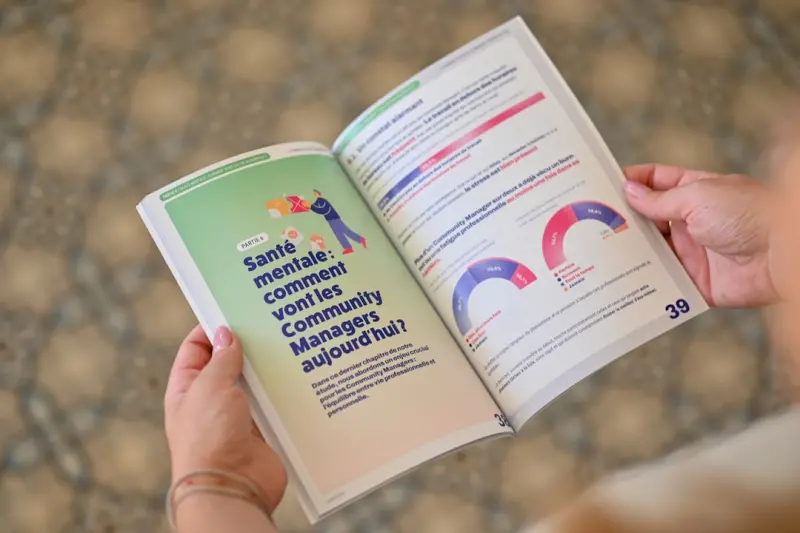
Brand Narrative DNA: How Data, Community, and Consistency Future‑Proof Your SaaS Brand
A strong SaaS brand goes beyond visuals. Discover how to craft a narrative DNA that aligns purpose, customer storyline, and culture, using data, community, and ...Read More

AI‑Powered Personal Shopping: Redefining How We Buy
The post delves into AI‑driven personal shopping concierges, hyper‑local marketplaces, privacy‑first data practices, and sustainable product passports, ou...Read More
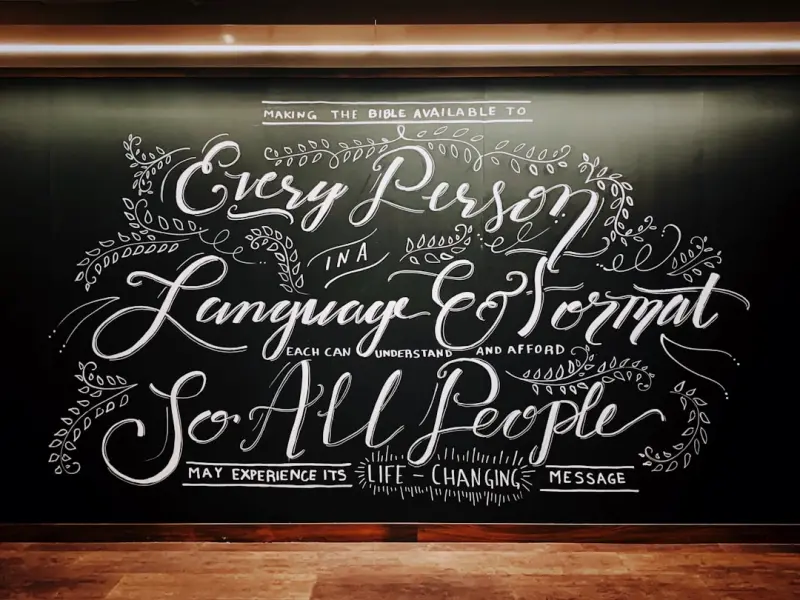
Tiny Text, Big Impact: Mastering Microcopy
Microcopy may be small, but its influence on user behavior is massive. In this guide, I share strategies to write persuasive tiny text that enhances clarity, co...Read More

Sustainable Plugins: The Secret Sauce for WordPress in 2026
A deep dive into why sustainable plugins matter, how to choose and optimize them, and the emerging trends that will keep your WordPress site fast, green, and fu...Read More
0 Comments
Post Comment
You will need to Login or Register to comment on this post!