

Why Subscription Car Models Are Rewriting the Rules of Ownership
When I first stepped onto a showroom floor as a teenager, the idea of buying a car felt like a rite of passage. You’d sign a stack of paperwork, make a down‑payment, and then spend the next decade trying to squeeze every mile out of a vehicle you’d already begun to outgrow. Fast forward a decade, and the conversation has shifted from “ownership” to “access.” In the automotive world, subscription services are emerging as the disruptive force that challenges the old playbook, and they’re doing it with a blend of data, flexibility, and consumer‑centric design that feels almost tailor‑made for the modern driver.
The Subscription Playbook: What It Actually Is
At its core, a car subscription is a monthly fee that bundles together the vehicle, insurance, maintenance, and often roadside assistance. Think of it as an all‑inclusive “vehicle‑as‑a‑service” package, where the consumer swaps the long‑term commitment of a loan for a short‑term, on‑demand experience. The appeal is obvious: you get to drive a different make or model every few months, you never have to worry about depreciation, and the provider handles all the back‑office headaches.
But there’s more than convenience at play. Subscription models are built on a digital infrastructure that collects real‑time data from each vehicle, feeding it into analytics platforms that can predict service needs, optimize fleet utilization, and even shape future vehicle designs. This data‑driven approach mirrors the evolution we’ve seen in other sectors—like how smart appliance insights are reshaping home living—yet it’s uniquely calibrated for the road.
From Luxury to Mainstream: Who’s Buying?
Early adopters were luxury‑brand enthusiasts who wanted the latest Mercedes or BMW without the commitment of ownership. Today, the audience has broadened dramatically. Millennials and Gen Z, who grew up with streaming services and on‑demand culture, expect the same flexibility from their mobility options. Even small‑business owners are seeing value: a fleet of subscription vehicles can be scaled up or down with a single click, aligning cost structures directly with revenue cycles.
Surveys show that drivers who use a subscription are 30% more likely to switch brands than traditional owners, and they’re also more likely to experiment with electric vehicles (EVs). The ability to test‑drive an EV for a few months before committing to a charger installation at home removes a major barrier to adoption. In that sense, subscriptions are acting as a low‑risk incubator for the next wave of sustainable transport.
Data as the Engine: Predictive Maintenance & Fleet Efficiency
The subscription model’s real power lies in its data backbone. Each vehicle is equipped with telematics that stream mileage, engine health, tire pressure, and driver behavior back to a central hub. Advanced algorithms parse this data, flagging potential failures before they become costly breakdowns. For the provider, this translates into lower warranty costs and higher vehicle uptime. For the driver, it means fewer surprise visits to the shop and a smoother, more reliable experience.
Imagine a scenario where a vehicle’s brake pad wear reaches a predefined threshold. The system automatically schedules a service appointment, orders the needed parts, and sends a notification to the subscriber, all before the driver even feels a change in performance. This predictive maintenance loop is not speculative—it’s already being piloted in several European markets and is poised to become the industry norm.
Financial Implications: The Economics of Access
From a financial perspective, subscriptions shift capital expenditures (CapEx) into operational expenditures (OpEx). Instead of tying up large amounts of cash in a depreciating asset, businesses and consumers can allocate those funds to growth initiatives, technology upgrades, or even personal experiences. Providers, on the other hand, gain a steady, recurring revenue stream that smooths out seasonal demand fluctuations.
There’s also an environmental finance angle. By extending the useful life of each vehicle through optimized rotation and shared usage, the overall fleet carbon footprint drops. This aligns with emerging ESG (Environmental, Social, Governance) reporting standards, giving companies a tangible metric to showcase sustainability efforts.
Challenges on the Road Ahead
Despite the promise, subscription services face several hurdles:
- Regulatory Complexity: Different jurisdictions have varying definitions of leasing, renting, and ownership, which can create tax and compliance headaches.
- Consumer Perception: Some drivers still view “never owning” as a loss of status or control, especially in markets where car ownership is tied to identity.
- Supply Chain Constraints: Maintaining a diverse fleet requires robust logistics. Any disruption—like the semiconductor shortage of recent years—can limit the variety of models on offer.
Addressing these challenges will require collaboration across manufacturers, insurers, and fintech firms. It’s a puzzle that mirrors the complexity of AI‑powered fraud detection in financial services—both demand sophisticated risk models and a proactive stance on emerging threats.
Technology Stack: The Underlying Architecture
Building a subscription platform isn’t just about putting a price tag on a car. It involves a layered tech stack:
- Telematics Layer: Sensors and connectivity modules that feed raw vehicle data into the cloud.
- Data Lake & Analytics: Scalable storage that aggregates data across the fleet, with AI models for predictive maintenance, usage forecasting, and dynamic pricing.
- Customer Portal: A user‑friendly interface where subscribers can swap vehicles, manage payments, and schedule services.
- Integration Hub: APIs that connect to insurance providers, financing institutions, and third‑party service centers.
This architecture enables a feedback loop where usage patterns inform product development, and in turn, new vehicle features improve the subscriber experience. It’s a virtuous cycle that keeps the ecosystem vibrant and responsive.
The Role of AI: More Than Just Predictive Maintenance
Artificial intelligence is the silent co‑pilot behind many subscription benefits. Beyond forecasting component wear, AI can:
- Optimize fleet distribution based on geographic demand, ensuring that popular models are available where they’re needed most.
- Personalize pricing tiers, offering discounts to low‑mileage drivers or bundling extra services for high‑usage customers.
- Detect anomalous driving behavior that may signal fraud or safety concerns, feeding into both risk management and insurance underwriting.
In essence, AI turns the subscription service from a static contract into a dynamic relationship that evolves with each mile driven.
Consumer Experience: The Human Touch in a Digital World
While data and algorithms are crucial, the human element remains a differentiator. Subscription providers are investing in concierge‑style support: real‑time chat, virtual vehicle tours, and seamless handoff processes when a driver wants to swap models. This mirrors the “customer‑first” mindset that has revolutionized other industries, proving that technology alone isn’t enough—service design matters just as much.
Future Outlook: Where Do We Go From Here?
Looking ahead, three trends will likely define the next phase of automotive subscriptions:
- Integration with Mobility‑as‑a‑Service (MaaS): Subscription fleets will become a key component of broader mobility ecosystems that include ride‑hailing, bike‑share, and public transit, offering a seamless multimodal experience.
- Expansion of Electric & Autonomous Vehicles: As EV range improves and autonomous tech matures, subscriptions will provide the ideal platform to introduce these innovations to consumers without the long‑term risk.
- Data‑Driven Personalization: Leveraging deeper insights into driver preferences will allow providers to curate vehicle bundles that align with lifestyle milestones—think a sporty coupe for a weekend getaway, followed by a spacious SUV for a growing family.
In the end, the subscription model isn’t just a new way to pay for a car; it’s a paradigm shift that aligns the interests of manufacturers, providers, and drivers. By turning ownership into a fluid, data‑rich relationship, the automotive industry is finally catching up with the on‑demand expectations set by streaming services, gig‑economy platforms, and beyond.

Brad Hays is a freelance writer known for his versatile skill set and ability to craft compelling content across a wide range of industries.
Related Posts

Why Car Subscriptions Are the New Frontier of Ownership
Car subscriptions are turning vehicles into flexible platforms, offering drivers on‑demand feature... Read More
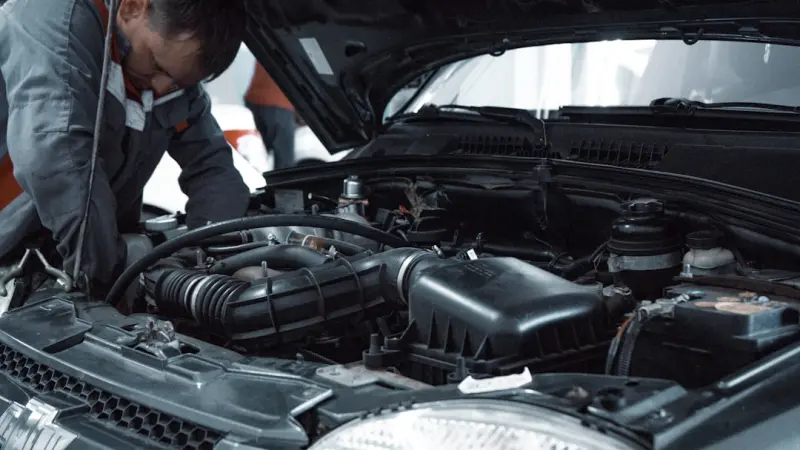
Why Subscription Car Services Are Changing the Way We Drive
Subscription car services blend flexibility, all‑inclusive pricing, and eco‑friendly options, re... Read More
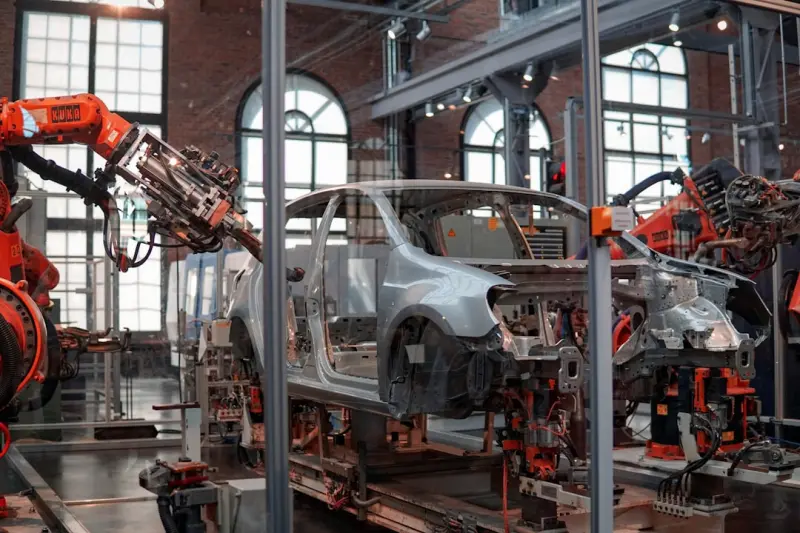
The Rise of Digital Twins in Automotive Innovation
Digital twins are revolutionizing the automotive industry, offering manufacturers a virtual replica ... Read More
Top Posts

Predictive Intent: The Next Evolution of Search Engine Marketing
Discover a data‑first, predictive framework for Search Engine Marketing that shifts spend toward emerging buyer intent, integrates AI, and turns ads into livi...Read More

The Sustainable Blogger’s Playbook: Turning Words into Action
Explore a step‑by‑step guide on using blogging to champion sustainability, engage readers, and turn online content into real‑world change....Read More

Invisible Armor: Mastering Online Safety for the Modern Remote Professional
A deep dive into modern online safety, offering actionable tactics—beyond passwords—to secure remote work environments, data, and personal privacy....Read More

When Your Phone Becomes a Stress Hormone: Reclaiming Calm in a Hyperconnected Age
This article explores the hidden health toll of constant notifications and offers science‑backed micro‑unplugging strategies, community‑driven routines, a...Read More
0 Comments
Post Comment
You will need to Login or Register to comment on this post!