
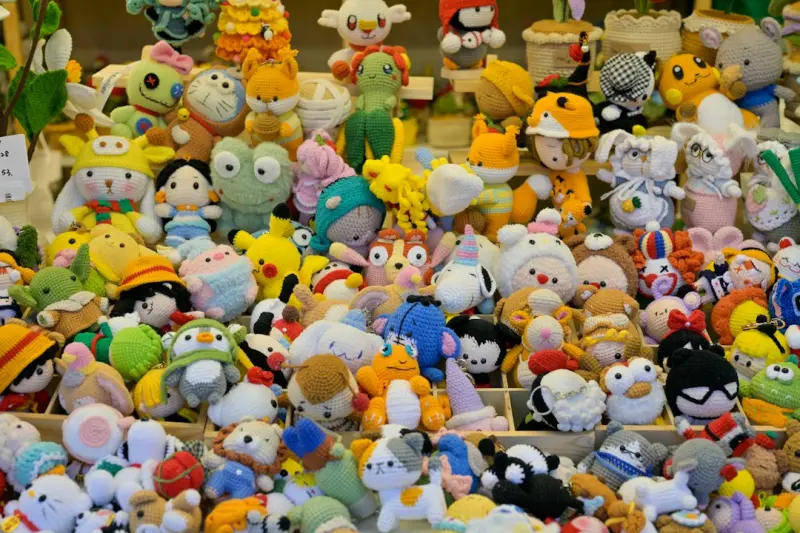
Why Toy Subscription Boxes Are the Next Big Thing for Modern Families
When I was a kid, the thrill of opening a birthday gift was an unmatched ritual. The rustle of wrapping paper, the anticipation of uncovering a brand‑new action figure or a glitter‑covered doll, sparked a tiny fireworks show in my imagination. Fast forward a few decades, and the same excitement can be delivered month after month—right to your doorstep—through curated toy subscription boxes. This isn’t just a clever marketing gimmick; it’s a cultural shift that speaks to the way families consume, learn, and connect in an age of abundance and conscious choice.
The Subscription Model Meets Play
At its core, a subscription service is about predictability and personalization. Companies gather data on a child’s age, interests, developmental stage, and even the values of the parents—such as eco‑friendliness or educational focus—to craft a monthly package that feels hand‑picked. Think of it as a “personal shopper” for play, one that evolves as your child grows. The result is a curated experience that eliminates the guesswork of toy aisles, reduces decision fatigue for busy parents, and introduces fresh, on‑trend items that keep the playroom dynamic.
Unlike the one‑off purchase model, subscription boxes turn toys into a story that unfolds over time. Each package builds on the last, often introducing a theme that deepens with each installment—whether that’s a series on basic engineering concepts, a world‑building adventure with reusable characters, or an exploration of different cultures through handcrafted dolls. The continuity nurtures curiosity and gives children something to look forward to beyond the usual “I’ve outgrown it” cycle.
Eco‑Conscious Play: Reducing Waste One Box at a Time
One of the most compelling arguments for toy subscriptions is sustainability. Traditional toy shopping often results in impulse buys that sit idle, get outgrown quickly, or end up in landfills. Subscription services, however, typically operate on a “rent‑and‑return” model for higher‑value items or focus on high‑quality, durable toys that are meant to last. Many providers partner with manufacturers who use reclaimed wood, recycled plastics, or biodegradable packaging, turning each box into a small statement of environmental stewardship.
By curating a selection that emphasizes longevity and reusability, these services encourage families to adopt a “toy library” mindset. Children learn the value of sharing and caring for their possessions, and parents can feel better about the ecological footprint of their household. The real environmental cost of consumer electronics is a conversation we’re having more often, and toys are finally getting their turn in that dialogue.
Education Wrapped in Fun: The STEM Boost
Modern parents are increasingly looking for toys that do more than entertain—they want tools that teach. Subscription boxes have risen to the challenge by integrating STEM (science, technology, engineering, and math) concepts into play. A monthly kit might include magnetic building blocks that introduce basic engineering principles, simple circuit components that spark curiosity about electricity, or coding cards that turn a plush robot into a programmable companion.
The key advantage here is the incremental learning approach. Rather than dumping an entire curriculum into a single purchase, subscriptions break lessons into bite‑size, hands‑on experiences that align with a child’s developmental readiness. This mirrors the way we consume digital content—short, engaging bursts that build knowledge over time.
Social Connection in a Digital Age
While many toys have migrated to apps and online platforms, subscription boxes foster tangible, offline interaction. Families can unbox together, share the excitement, and co‑create stories around the new items. Some services even host virtual unboxing events or community forums where parents exchange ideas, swap tips, and showcase their kids’ creations. This blend of physical and digital community building counters the isolation that can accompany screen‑centric play.
In fact, the rise of digital‑age safety discussions underscores the need for balanced play experiences. Subscription boxes offer a safe, curated environment where the only “data” collected is the child’s preference, used solely to improve future selections.
Personalization Powered by Data—But With a Human Touch
It’s easy to assume that a subscription box is just an algorithm spitting out toys. In reality, many providers blend data‑driven insights with real human curation. Parents often fill out detailed questionnaires, and a team of child development specialists reviews the information to hand‑pick items that resonate with each family’s unique story. This hybrid approach ensures that the excitement of discovery isn’t lost in the cold efficiency of AI alone.
Moreover, the feedback loop is rapid. After each delivery, families can rate toys, note preferences, and suggest themes. Providers then adjust the next box accordingly, creating a dynamic, responsive ecosystem that feels as personal as a handwritten note.
Cost Efficiency: More Value Than You’d Expect
At first glance, a monthly subscription might seem like an added expense, but when you break down the cost per item, the math often works in your favor. Many boxes include multiple high‑quality toys, accessories, and exclusive content that would cost significantly more if purchased individually. Plus, the “swap‑or‑return” feature on premium items means you get to experience premium play without the long‑term financial commitment.
For families on a budget, this model can actually stretch dollars further, especially when you consider the reduction in waste and the longer lifespan of the curated toys. It’s a win‑win that aligns with the growing desire for frugal yet enriching family experiences.
Future Trends: From Subscription to Subscription‑as‑Service
The next frontier may involve integrating subscription boxes with broader “toy‑as‑a‑service” platforms. Imagine a digital dashboard where parents can track their child’s developmental milestones, swap out themes on the fly, and even rent high‑tech toys like AR headsets for short periods. This evolution would blur the lines between physical and digital, creating a seamless ecosystem where play, learning, and growth are continuously optimized.
While we’re still early in this journey, the momentum is undeniable. As more families embrace the convenience, sustainability, and educational value of curated play, toy subscription boxes are poised to become a staple in modern parenting—transforming the simple act of unwrapping a gift into a monthly celebration of curiosity, connection, and conscious consumption.

Steph Sanderson is a Toronto-based freelance writer and content creator with a clear passion: crafting compelling articles. With a dedication to clear, engaging prose and a knack for storytelling, Steph brings a wealth of experience to every project.
Related Posts
Why Sustainable, Modular Toys Are the Next Big Play Trend
A look at how sustainable, modular toys are changing the landscape of play, fostering long‑term en... Read More
Playful Engineering: Turning Toy Design Into Business Innovation
This post reveals how modular toys, open‑source kits, and narrative‑driven play can become a str... Read More
When Play Gets Hands‑On: Rediscovering Tangible Toys in a Screen‑Heavy World
A deep dive into the rise of tactile, DIY toys that blend physical building with digital tools, offe... Read More
Top Posts

Walking Meetings: The Unexpected Health Boost Your Workday Needs
Swap conference rooms for sunrise strolls. Learn how walking meetings transform focus, hormone balance, and team trust for a healthier workday....Read More

The Human Factor: How Modern Scams Infiltrate SaaS Workflows and What You Can Do
Scammers are exploiting SaaS workflows with AI‑driven deepfakes, API hijacking, and supply‑chain hacks. This post breaks down the latest tactics and offers ...Read More

Why Sensory Play Beats Screen Time for Modern Parents
Learn why sensory play is a powerful alternative to screen time, how to set up easy sensory stations, and the lasting benefits for your toddler’s development ...Read More

Why One‑Piece Content Is Dead: Building a Dynamic Playbook for Every Buyer
Traditional static content no longer cuts it. Discover a three‑pillar framework—deep data integration, modular architecture, and scalable delivery—that tr...Read More
0 Comments
Post Comment
You will need to Login or Register to comment on this post!