
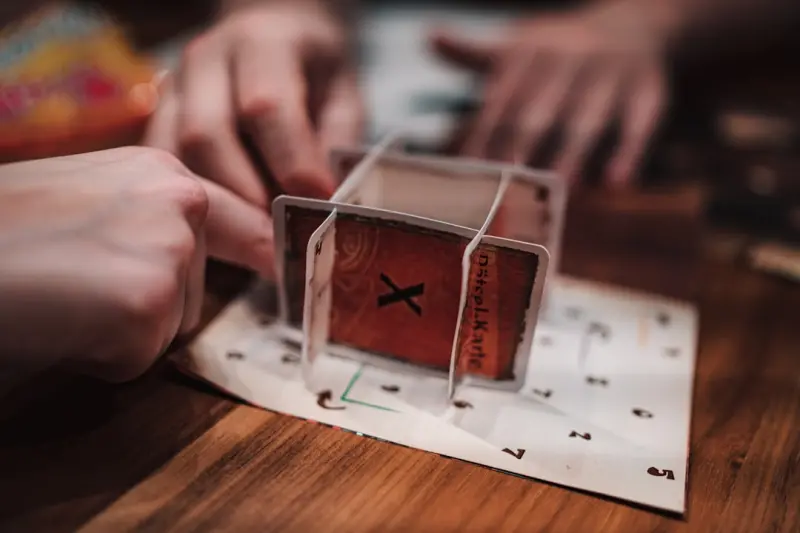
When Play Gets Hands‑On: Rediscovering Tangible Toys in an Era of Screens
There’s a quiet rebellion brewing on kitchen tables, garage workbenches, and even the cramped corners of apartment living rooms. It’s not about unplugging or a nostalgic return to the “good old days.” It’s a deliberate, joyful embrace of physical, maker‑centric toys that let kids (and the kids at heart) build, experiment, and solve problems with their own two hands. As someone who grew up with a cardboard box and a set of wooden blocks, I’ve watched the landscape of play shift dramatically—from plastic action figures to algorithm‑driven apps. Yet, the most exciting wave I’m seeing isn’t a new gadget; it’s a revival of hands‑on creativity, powered by the same DIY spirit that fuels the DIY tech culture we celebrate in the adult world.
Why Tangible Toys Matter More Than Ever
Modern children are digital natives, scrolling through endless feeds before they can even write their names. That constant screen exposure has undeniable benefits—instant information, global connectivity, and a playground that fits in a pocket. But research shows that prolonged screen time can hamper fine‑motor development, spatial reasoning, and even emotional regulation. Tangible toys provide the counterbalance: they demand manipulation, cause‑and‑effect understanding, and often a dose of trial‑and‑error that no algorithm can replicate.
When a child snaps together magnetic tiles, builds a bridge from popsicle sticks, or programs a small robot to navigate a maze, they are practicing computational thinking in a physical context. They learn to hypothesize, test, and iterate—skills that translate directly into the workplace skills we all crave: problem‑solving, resilience, and collaboration.
The Maker Movement Meets Play
The surge of makerspaces in libraries, schools, and community centers has democratized access to tools that were once the domain of engineers. 3D printers, laser cutters, and Arduino microcontrollers are now as common as a box of crayons. This democratization has birthed a new generation of toys that are modular, open‑source, and endlessly customizable. Think of a classic construction set, but each piece can be programmed, illuminated, or even printed on demand.
One standout example is the rise of open‑source board game kits. Designers release the game mechanics, artwork, and component templates under Creative Commons licenses. Hobbyists then print, cut, and assemble the pieces themselves, tweaking rules or adding expansions as they see fit. The result is a living, breathing ecosystem of games that evolve with each playgroup.
From Scratch to Shelf: DIY Toy Projects That Anyone Can Start
- Magnetic Marble Mazes: All you need are neodymium magnets, a thin plywood board, and some marbles. Sketch a maze, embed magnets underneath, and watch the marble glide as you tilt the board. This simple project teaches basic physics and encourages children to experiment with angles and force.
- Arduino‑Powered Light-Up Bricks: Using an Arduino Nano, a few LEDs, and standard LEGO bricks, you can create bricks that light up on command. The coding is beginner‑friendly—just a few lines of
digitalWrite()—and the result is a dazzling, interactive building experience. - DIY Musical Instruments: Turn a cardboard tube into a rain‑stick, stretch rubber bands over a wooden box for a simple guitar, or use a Raspberry Pi with a speaker to make a programmable drum pad. Music introduces rhythm, pattern recognition, and a sense of accomplishment.
These projects are not just about the final product; they’re about the process. The act of measuring, cutting, and assembling builds confidence and a growth mindset.
Learning From Adult Hobbies: The Parallel With Upcycling Practices
When I first started experimenting with homemade cleaners, I discovered a parallel between the satisfaction of turning kitchen scraps into a potent solution and the thrill of repurposing everyday objects into toys. Both activities embody the principle of resourcefulness: seeing potential where others see waste. In the toy realm, this translates to using bottle caps for board game tokens, repurposing old CDs as spinning tops, or transforming cardboard boxes into forts and fortresses.
Beyond the environmental angle—though that is certainly a bonus—upcycling encourages children to ask “what can I make with this?” rather than “what do I need to buy?” This question is the seed of invention. It also teaches budgeting, a subtle yet valuable life skill.
Bridging the Gap: Integrating Digital and Physical Play
It would be a mistake to cast digital and physical play as opposing forces. The most compelling experiences today blend the two. Augmented reality (AR) overlays digital information onto tangible objects, while simple sensors can trigger sound or light effects when a physical piece is moved.
Consider a smart puzzle board that detects where each piece is placed and offers real‑time hints through a companion app. The core learning happens physically—children manipulate pieces and develop spatial awareness—while the digital layer adds adaptive feedback, keeping the experience fresh and tailored.
Another hybrid approach is the code‑first tabletop game. Players write short scripts in a block‑based language (think Scratch) that dictate how a physical dice roller behaves. The dice might vibrate, change color, or emit a sound based on the script. This fusion nurtures both computational literacy and tactile interaction.
The Role of Parents and Educators
Facilitating this renaissance of tactile play doesn’t require a massive budget—just curiosity and a willingness to get a little messy. Here are three practical steps for adults who want to nurture hands‑on creativity:
- Curate a “Play Toolkit.”strong> Assemble a box of versatile materials: wooden dowels, elastic bands, magnets, simple electronics, and reusable fasteners. Keep it within reach so spontaneous building sessions become easy.
- Model Iterative Thinking. When a project doesn’t work on the first try, narrate your thought process: “The bridge collapsed because the base isn’t wide enough. Let’s add extra supports and test again.” This models a growth mindset for young observers.
- Celebrate the Process, Not Just the Product. Display prototypes, share photos, and discuss what each component does. The narrative around creation is as important as the finished toy.
In the classroom, teachers can integrate maker challenges into existing curricula—science labs become engineering workshops, math lessons turn into measurement scavenger hunts, and language arts can involve storytelling with custom‑made puppets.
Looking Ahead: The Future of Tangible Play
As 3D printing becomes faster and more affordable, we’ll see an explosion of custom‑fit toys that match a child’s exact dimensions, learning level, and interests. Imagine a child ordering a set of puzzle pieces that interlock only in ways that reinforce the geometry concepts they’re currently studying.
Meanwhile, the rise of biodegradable polymers promises toys that are safe for the planet without compromising durability. Companies that combine sustainable materials with modular design will likely dominate the market—because parents are increasingly savvy about the environmental impact of the products they bring home.
Finally, the community aspect cannot be overstated. Online forums already exist where makers share designs, troubleshoot, and collaborate on global toy projects. These digital hubs amplify the tactile experience, creating a feedback loop where physical play fuels digital collaboration, which in turn inspires more physical innovation.
Conclusion: Play Is a Powerful Form of Learning
In a world saturated with screens, the humble act of building, snapping, and tinkering remains a profound educational tool. Tangible toys teach problem‑solving, resilience, and creativity—skills that no algorithm can fully replace. By blending the maker mindset, upcycling principles, and thoughtful integration of technology, we can craft play experiences that are both fun and formative.
So, the next time you find a stray cardboard tube or a bag of old LEGO pieces, pause before discarding. Ask yourself: What could become a new adventure? The answer might just be the next favorite toy for a curious mind.

Laura Wilson is a freelance writer specializing in the dynamic and ever-evolving field of health. With a passion for translating complex medical information into accessible and engaging content, Laura brings a wealth of knowledge and a fresh perspective to topics ranging from preventative care and nutrition to cutting-edge research and innovative treatments.
Related Posts
Sustainable Toy Design: Playful Innovation for a Greener Future
A deep dive into sustainable toy design reveals how plant‑based materials, modular systems, and au... Read More
Collectible Toys: The Unexpected Wellness Ritual for Grown‑Ups
Collectible toys have evolved into a quiet wellness practice for adults, offering psychological safe... Read More
Desk‑Side Distractions: How Curated Toy Collections Boost Executive Focus
A strategic look at why adding high‑quality kinetic sculptures, modular building sets, and analog ... Read More
Top Posts

Agile Legal Ops: Turning Compliance into a SaaS Competitive Edge
Legal teams in SaaS must evolve from static gatekeepers to agile partners. This post outlines a modular, data‑driven Legal Ops framework that integrates compl...Read More

Headless WordPress: Enterprise‑Grade Content Flexibility
Discover why decoupling WordPress from the front‑end gives SaaS companies enterprise‑grade speed, security, and flexibility, and learn a step‑by‑step ro...Read More

Beyond Passwords: The Cognitive Side of Online Safety
A deep dive into the mental shortcuts attackers exploit, offering actionable bias‑checks, privacy‑centric email habits, and embedded safety tools to turn hu...Read More
Plug‑In‑Play: How Micro‑Plugins Are Turning Users Into Co‑Creators
Micro‑plugins let SaaS platforms stay lightweight while enabling users to craft, share, and monetize bespoke features, fostering a vibrant co‑creation marke...Read More
0 Comments
Post Comment
You will need to Login or Register to comment on this post!