
Why a Sensory Garden Became My Sanctuary
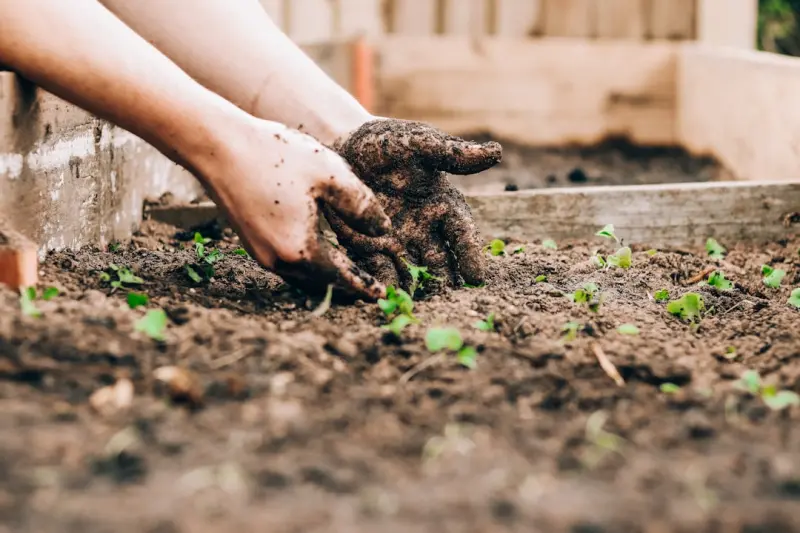
When I first stepped onto the patch of untended earth behind my kitchen, I felt the pull of a quiet invitation – a chance to turn soil into a story that would unfold with each sunrise. I wasn’t after a perfectly manicured lawn; I wanted a space that sang to my senses, where the rustle of basil, the scent of lavender, and the texture of loamy dirt could all be felt at once. Gardening, for me, became a daily meditation, a ritual that anchored my restless mind and gave me a tangible reminder that growth is both patient and rewarding.
The Healing Power of Scent and Texture
Plants that engage the nose and fingertips can transform a simple stroll into a therapeutic experience, and I quickly learned that aromatic herbs and soft‑leafed perennials are the unsung heroes of emotional well‑being. By arranging rosemary beside mint and interspersing velvety lamb’s ear with the bright pop of calendula, I created zones that invite you to pause, inhale, and run your hands over soothing foliage. Research shows that these sensory cues lower cortisol levels, and my own evenings now end with a cup of tea brewed from the very herbs I tended.
Reinventing Soil Health with Compost Tea
My breakthrough arrived the moment I stopped treating soil as an afterthought and began feeding it like a living organism, using a simple brew I call “compost tea.” I steeped well‑aged kitchen scraps, shredded newspaper, and a handful of worm castings in rainwater for twenty‑four hours, then filtered the dark elixir and dripped it around the root zones of my seedlings. The result? A noticeable surge in vigor, deeper green foliage, and a thriving mycorrhizal network that makes each plant more resilient to stress.
Edible Flowers: Beauty That Tastes as Good as It Looks
Integrating edible blooms into the garden was a playful experiment that quickly turned into a culinary revelation, and I now harvest petals from nasturtiums, pansies, and violets to garnish salads, teas, and desserts. These flowers not only add a splash of color but also bring a peppery or sweet note that elevates home‑cooked meals without any extra cost. Planting them alongside vegetables creates a symbiotic environment: the flowers attract pollinators, while the veggies provide shelter, forming a miniature ecosystem that works on its own.
Miniature Orchard Magic: Dwarf Fruit Trees for Small Spaces
One of the most rewarding projects I tackled was a compact orchard of dwarf apple, pear, and plum trees, each carefully pruned to fit within a ten‑by‑ten‑foot plot. Selecting varieties that are self‑fertile and disease‑resistant meant I could harvest fresh fruit without the need for a large orchard’s infrastructure. The key to success lies in planting the trees on raised beds with well‑draining soil, spacing them just enough to allow sunlight to filter through, and training the branches into an espalier pattern that maximizes fruit production while keeping the garden tidy.
Harvesting Rain: Water Conservation Techniques That Pay Off
Living in an area with seasonal rain, I installed a series of discreet rain barrels that capture runoff from the roof, funneling it directly into a gravity‑fed irrigation system that waters my beds during dry spells. By pairing the barrels with a simple drip‑line network, I’ve reduced my municipal water usage by nearly half, while the collected water, filtered through a leaf‑laden mesh, carries natural nutrients that further enrich the soil. This closed‑loop approach not only conserves a precious resource but also teaches my family the value of mindful consumption.
Building Micro‑Communities Around the Garden
Gardening is rarely a solitary pursuit; it thrives when neighbors share seeds, stories, and seasonal tips. I started a small “garden circle” that meets monthly at the back fence, where we swap heirloom tomatoes, discuss pest‑control strategies, and celebrate each harvest with a potluck. This sense of belonging echoes the concept explored in micro‑communities, proving that a shared plot can become a catalyst for stronger neighborhood ties and collective learning.
Smart Garden Safety: Merging Technology with Care
While I adore the simplicity of hand‑tended beds, I also embrace modest technology that enhances safety and efficiency, such as solar‑powered moisture sensors and automated shut‑off valves that prevent over‑watering. Integrating these tools required a thoughtful approach, ensuring that the devices are weather‑proof and that cables are neatly buried to avoid tripping hazards. For a deeper dive into balancing convenience with protection, see the guidelines outlined in smart home safety—the same principles apply beautifully to a garden setting.
Closing Thoughts: The Garden as an Ever‑Evolving Narrative
Every season writes a new chapter in my garden’s story, and the lessons I learn about soil, scent, and community continue to shape my approach to life beyond the backyard. By nurturing edible flowers, conserving rainwater, and fostering neighborly bonds, I’ve turned a modest plot into a thriving hub of health, flavor, and connection. I invite you to step into your own piece of earth, experiment boldly, and let the garden become the living notebook that records your personal growth.

Lauren Miller is a true outdoors enthusiast who has found her passion in the trades. When she's not working hard on the job, you can find her writing, camping, fishing, and exploring all that nature has to offer. A dedicated partner to her wife Beth, Lauren loves nothing more than spending quality time together and experiencing the great outdoors side by side.
Related Posts

Cultivating a Sensory Garden in Tiny Urban Spaces
Learn to create a sensory garden in tiny urban spaces, using fragrant herbs, tactile foliage, and cr... Read More
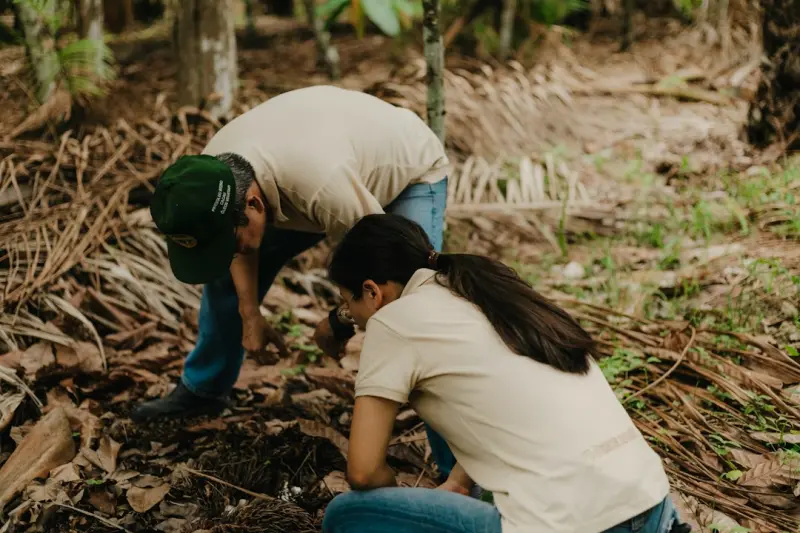
Listening to the Soil: A Conversational Approach to Thriving Gardens
A fresh perspective on gardening: learn to listen to soil cues, respond with tailored amendments, an... Read More
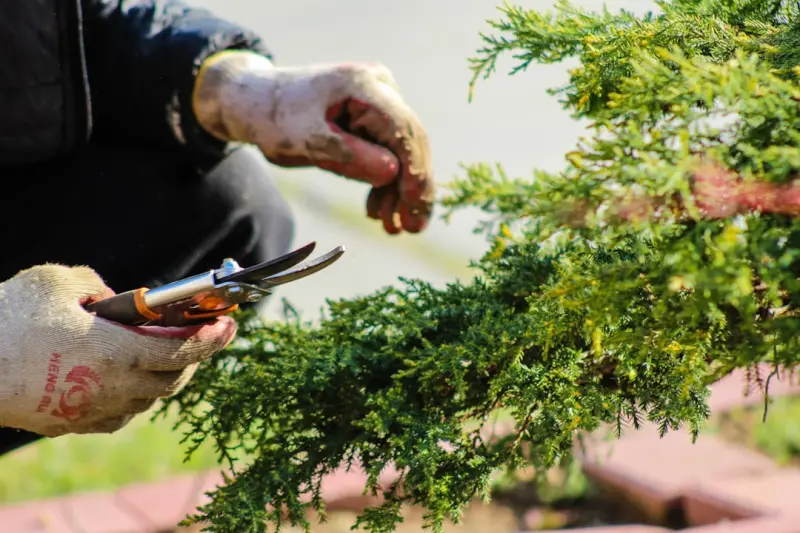
Cultivating a Smart Garden: AI, Modular Tools, and Gamified Growth
Explore the rise of intelligent soil sensing, plug‑and‑play hardware, and gamified gardening com... Read More
Top Posts
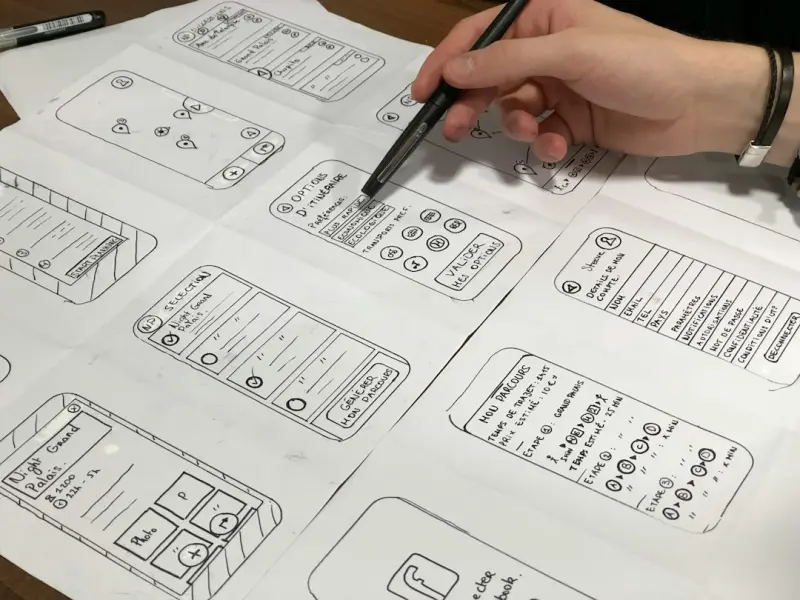
Beyond Push: Designing Context‑Aware Mobile Experiences
Push notifications are losing their edge; the future lies in mobile apps that intelligently respond to real‑time context, delivering personalized experiences ...Read More

SEO in 2024: How Sustainability Is Redefining Search Strategies
Explore the latest SEO trends that blend ranking power with sustainability, offering actionable steps to make your site greener and more visible....Read More

Mixology Meets Machine Learning: How Algorithms Are Redefining the Bar Scene
Explore how machine learning is transforming mixology, delivering hyper‑personalized drinks, cutting waste, and merging technology with the art of the bar....Read More

Physical Toys: The Unexpected Catalyst for Team Creativity
Physical, hands‑on toys are emerging as a powerful tool for boosting creativity and collaboration in teams, offering a low‑tech antidote to digital fatigue....Read More
0 Comments
Post Comment
You will need to Login or Register to comment on this post!