
Listening to the Soil: How a Conversational Approach Can Transform Your Garden
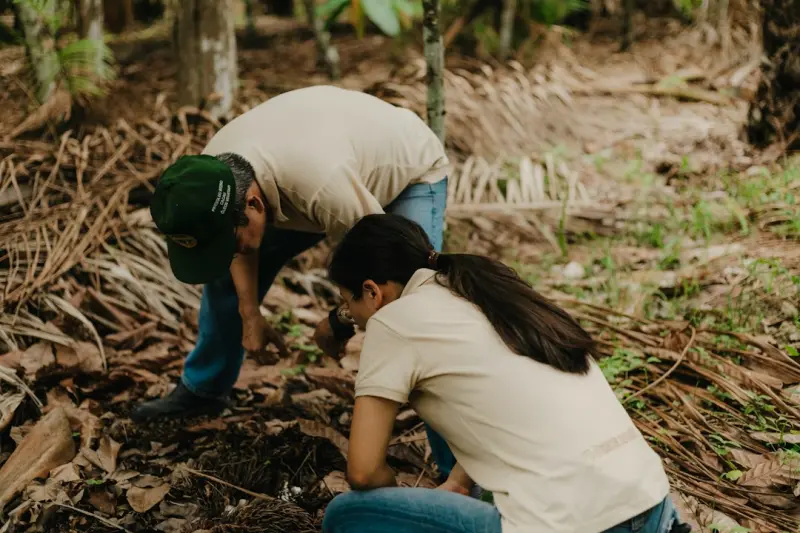
When I first swapped my office chair for a potting bench, I expected a quiet retreat—some elbow‑deep time with dirt and a chance to escape the endless notifications. What I didn’t anticipate was that the garden would start talking back. Not in literal sentences, of course, but through subtle cues: the way the earth clumped under my fingertips, the faint scent of decay after a rainstorm, the way a leaf curled at the edge of a bud. Over the past few years I’ve learned to interpret those signals, and the results have been nothing short of remarkable.
In this post I’ll share the mindset that helped me transition from a casual weekend planter to someone who can coax a thriving harvest from a balcony, a rooftop, or a modest backyard. You’ll discover how to ask the right questions of your soil, how to respond with the tools you already have, and why treating your garden as a conversation partner can make every season feel like a breakthrough.
The First Conversation: Getting to Know Your Soil’s Personality
Every piece of earth has a distinct personality, shaped by its mineral composition, organic matter, and the organisms that call it home. To start a dialogue, you need to observe, feel, and even “listen” to those traits.
- Texture Test: Scoop a handful of soil and let it run through your fingers. Is it gritty like sand, smooth like flour, or somewhere in between? A gritty feel often means high sand content, which drains quickly but struggles to hold nutrients. A floury texture indicates clay, which retains water but can become compacted.
- Moisture Memory: After a light rain, press your thumb lightly into the soil. Does it bounce back instantly, or does it stay indented? Quick bounce‑back signals fast drainage; a lingering impression means the soil holds moisture longer, which can be a double‑edged sword for root health.
- Smell Scan: In a well‑ventilated spot, give the soil a gentle sniff. A rich, earthy aroma hints at abundant microbial life—your garden’s invisible workforce. A sour or overly pungent smell can indicate anaerobic conditions, often caused by waterlogged soil.
These simple observations form the basis of an ongoing dialogue. When you notice a shift—say, the soil feels denser after a week of heavy watering—you’ve received a message. The next step is to answer it with appropriate action.
Answering the Soil’s Calls: Tailoring Amendments to Real‑Time Feedback
Most gardeners rely on a one‑size‑fits‑all amendment schedule: a blanket of compost in spring, a dash of fertilizer in summer, and a mulch layer in fall. While that approach works for many, it often ignores the nuanced feedback the soil is constantly giving you.
Instead, adopt a “responsive amendment” strategy:
- Diagnose the Symptom: If your soil feels compacted, it’s likely lacking aeration. If it smells sour, it may be overly wet.
- Select a Targeted Remedy: For compaction, incorporate coarse organic matter like shredded bark or perlite. For excess moisture, improve drainage with a thin layer of coarse sand or create raised beds.
- Apply Incrementally: Add the amendment in small batches and observe the soil’s reaction over a few days. This prevents over‑correcting and helps you fine‑tune the balance.
This method mirrors a conversation: you ask a question, listen to the answer, and adjust your response accordingly. Over time, you’ll notice a rhythm emerging—your garden will feel more like a partner than a project.
Tools That Speak the Same Language
When I first started, I leaned heavily on high‑tech gadgets—soil moisture meters, pH probes, and weather stations. They’re valuable, but I realized they’re most effective when they supplement, not replace, your senses. The key is to choose tools that amplify the conversation rather than drown it out.
Think of a simple garden fork: its tines can reveal soil compaction by the resistance you feel when turning it. A hand‑torn leaf can show you whether a plant is getting enough light based on its color and texture. These low‑tech cues, paired with occasional digital data points, give you a holistic view.
If you’re curious about how a mindset shift can boost your results, discover how mindset shifts can boost results. The principle is the same—adopt a perspective that sees tools as extensions of your intent rather than replacements for intuition.
Seasonal Storytelling: Letting the Garden Narrate Its Own Calendar
Traditional gardening calendars dictate when to sow, transplant, and harvest based on regional averages. While those guidelines are helpful, they can be restrictive if you’re listening to your garden’s unique story.
Here’s how to let your garden dictate its own rhythm:
- Early Spring: Instead of planting all warm‑season crops at the first hint of thaw, observe soil temperature with a simple probe. When the soil consistently reads above 55°F (13°C) in the root zone, that’s your cue to start. If it stays cooler, delay and focus on cool‑season greens.
- Mid‑Summer: Notice leaf edges turning slightly brown or edges curling. This may signal a need for supplemental irrigation, not just a blanket watering schedule.
- Late Autumn: Look for plants that naturally begin to slow growth—these are candidates for a light mulching layer that insulates roots and signals to the soil that it’s time to store nutrients for winter.
By aligning your actions with the garden’s internal clock, you’ll experience less stress on plants and more consistent yields.
Designing for Dialogue: Layouts That Encourage Interaction
Physical layout can either foster or stifle conversation. If you constantly step over tangled vines or struggle to reach the back of a raised bed, you’re likely to miss the subtle signs the garden is giving you.
Consider these design tweaks:
- Pathways with Purpose: Create narrow, stepping‑stone paths that let you walk close enough to the soil without compacting it. The gentle rhythm of stepping stones encourages regular checks.
- Modular Bed Systems: Instead of one massive plot, use smaller, movable beds. This allows you to rearrange based on sun exposure, soil health, or simply to get a fresh perspective. understand sustainable upgrade pathways for inspiration on modular thinking.
- Vertical Layers: Incorporate trellises and vertical planters. They bring the canopy within arm’s reach, letting you notice pest activity or leaf discoloration early.
These adjustments make it easier to engage with every corner of your garden, turning a static space into a dynamic conversation hub.
Community Echoes: Borrowing Wisdom from Neighboring Gardens
Conversation isn’t limited to the soil. Your neighbors, local garden clubs, and online forums are all part of an extended dialogue. When you share observations—like a sudden surge of aphids on a particular plant—you invite collective problem‑solving.
One of my most rewarding experiences was collaborating with a rooftop gardener who noticed a peculiar white film on his lettuce leaves. By pooling observations, we identified the culprit as a harmless powdery mildew and introduced a simple spray of diluted milk. The result? A healthy, crisp lettuce crop for both of us.
This kind of collaborative storytelling mirrors the evolution of content in the digital realm. If you want to see how sharing narratives can elevate outcomes, learn about evolving content strategies. The same principles apply: listen, share, adapt.
Harvesting the Conversation: Measuring Success Beyond Yield
Most gardeners gauge success by the weight of their tomatoes or the number of carrots harvested. While those metrics matter, a richer measure is the depth of the conversation you’ve built.
Ask yourself:
- Do I feel attuned to my garden’s needs?
- Can I anticipate problems before they become visible?
- Has the garden become a source of daily curiosity rather than a chore?
If you answer “yes” to these, you’ve achieved a level of connection that transcends numbers. The true harvest is the ongoing dialogue that keeps you returning, learning, and evolving.
Closing Thoughts: Keep the Conversation Alive
Gardening is often marketed as a hobby that offers a break from the noise of modern life. I’ve found it to be a continuous, rewarding conversation—one that challenges you, teaches you patience, and offers tangible feedback every day. By listening to the soil, responding with mindful amendments, and designing spaces that invite interaction, you turn a plot of earth into a living partner.
So the next time you kneel down and feel the soil between your fingers, pause for a moment. Ask, “What do you need right now?” and then listen closely to the answer. Your garden will thank you with vibrant growth, resilient plants, and a sense of partnership that no tech gadget can replicate.

Jimmy Stewart is a content creator that gets inspired by many aspects of life, internet or whatever inspires him at that moment. When he's not online he's gaming and when he is not gaming he is online trolling discussion boards.
Related Posts

Rooftop Harvest: Turning City Roofs into Year‑Round Food Gardens
Learn to convert city rooftops into productive gardens, using smart soil mixes, rain‑catching irri... Read More
Cultivating a City‑Scale Sensory Garden: A Personal Journey
A personal account of transforming a small urban balcony into a layered sensory garden, blending ana... Read More

From Balcony to Bounty: Crafting a Resilient Urban Herb Garden
Discover a step‑by‑step approach to turning a small balcony into a productive herb garden, cover... Read More
Top Posts

Micro‑Meditation in the Remote‑Work Era: Small Breaks, Big Mental Shifts
Micro‑meditation offers a simple, science‑backed way to beat remote‑work fatigue. Learn how tiny breathing breaks, inclusive design, and AI‑assisted too...Read More

The Impact of Sustainability on the Insurance Industry
The insurance industry is facing a significant shift in its approach to risk management and sustainability. Learn how sustainable practices are transforming the...Read More

The Green Way to Sparkle: Transform Your Home with Eco‑Cleaning
Explore practical eco‑cleaning methods that turn everyday chores into powerful actions for health and the environment, complete with DIY recipes and community...Read More

Zero‑Waste Cocktails: Turning Scraps into Signature Sips
Explore the rise of zero‑waste cocktails, a movement that up‑cycles kitchen scraps into delicious drinks, offering bars a sustainable edge and customers a s...Read More
0 Comments
Post Comment
You will need to Login or Register to comment on this post!