

Listening to the Soil: Turning Earth into a Dialogue
When I first knelt on the loamy patch behind my kitchen, I realized that gardening isn’t merely planting seeds; it’s an ongoing conversation with the earth, a whisper of microbes and mineral particles that respond to every touch, every breath of wind, and every drop of water I offer. Soil health becomes the language we learn to interpret, from the dark, crumbly texture that promises fertility to the faint, sour scent that warns of compaction, and the subtle color shifts that reveal the balance of organic matter versus mineral grit. Over the years I have cultivated a habit of “soil‑talk,” a ritual of gently probing, feeling, and even tasting a speck of earth—always remembering that the ground beneath our feet is a living, breathing partner in the garden’s story.
The Alchemy of Compost Teas and Microbial Boosts
One of the most rewarding experiments I’ve undertaken is brewing a living compost tea, a nutrient‑rich elixir that delivers a burst of beneficial microbes directly to plant roots, effectively turning a simple watering routine into a probiotic spa for my garden; the process starts with a bucket of well‑aged compost, a handful of non‑chlorinated water, and a dash of unsulfured molasses, stirred gently for 24‑48 hours while the mixture breathes through a fine mesh. The resulting tea, when applied at the base of seedlings, not only accelerates growth but also fortifies plants against soil‑borne pathogens, creating a resilient underground network that mirrors the immune system of a healthy body. I often record the outcomes in my garden journal, noting how the tea’s timing, temperature, and aeration affect leaf vigor and flower abundance, a practice that feels akin to scientific research yet remains rooted in the intuitive rhythm of the garden.
Companion Planting: Crafting a Symphony for Pollinators
Beyond soil, the aerial world of pollinators demands our attention, and I have learned to arrange my beds like an orchestra, pairing fragrant herbs such as lavender and rosemary with nectar‑rich flowers like echinacea and borage to attract bees, butterflies, and even hummingbirds, each species acting as a skilled musician that enhances the overall performance of plant reproduction. By positioning tall, sun‑loving sunflowers as backdrop champions and interspersing low‑growing marigolds at the edges, I create layered habitats that not only draw beneficial insects but also deter pests through natural repellency, turning the garden into a self‑regulating ecosystem where each plant plays a dual role of provider and protector. This intentional mix, guided by both tradition and modern research, has transformed my vegetable yields, as tomatoes and peppers benefit from increased pollination efficiency, while the vibrant pollinator activity adds a kinetic visual feast that constantly reminds me of nature’s interdependence.
Water Wisdom: Harvest, Mulch, and Mindful Irrigation
Water, the lifeblood of any garden, calls for a strategy that respects both scarcity and abundance, and my approach begins with a rain barrel system that captures runoff from the roof, allowing me to store crystal‑clear water for the dry summer months, thereby reducing reliance on municipal supply and cutting utility costs; the barrel is connected to a gravity‑fed drip line that delivers a gentle, consistent flow directly to the root zone, minimizing evaporation and leaf wetness that could invite disease. Complementing this is a generous layer of organic mulch—shredded leaves, straw, and pine needles—that acts as a thermal blanket, preserving soil moisture, suppressing weeds, and gradually feeding the soil as it decomposes, a simple yet powerful technique that turns waste into a resource. By timing irrigation to early mornings or late evenings, I further reduce water loss to heat, ensuring that each droplet does the most work possible, a practice that feels both environmentally responsible and deeply satisfying.
Embracing Native Flora for Biodiversity and Resilience
Integrating native plants into the garden has become a cornerstone of my design philosophy, as these species have evolved alongside local climate, soil types, and wildlife, offering unmatched resilience against drought, pests, and disease while providing critical food and shelter for indigenous pollinators and birds; I often start with a native meadow mix that includes prairie coneflower, black-eyed Susan, and little bluestem, allowing these hardy perennials to establish a robust, low‑maintenance foundation that thrives year after year with minimal intervention. The inclusion of native shrubs such as serviceberry and spicebush adds seasonal interest and fruit that feeds songbirds, creating a dynamic, multi‑layered habitat where each plant contributes to a balanced food web, echoing the principles of ecological stewardship taught in natural garden courses. This native‑centric approach not only reduces the need for chemical inputs but also fosters a sense of place, connecting my garden to the broader landscape and honoring the region’s botanical heritage.
Sensory Pathways: Designing Gardens That Engage All Five Senses
While visual splendor often captures our attention, I have found that a garden truly comes alive when it engages touch, scent, sound, and taste, leading me to incorporate tactile foliage like lamb’s ear, aromatic herbs such as mint and thyme, and edible berries that invite hands‑on exploration, creating an immersive experience that encourages mindfulness and slows the rush of daily life; the gentle rustle of grasses in a breezy corner, the hum of bees hovering over lavender, and the soft crunch of fallen leaves underfoot become a symphony of sensory cues that deepen my connection to the living space. To enhance auditory elements, I plant wind‑responsive grasses and install simple bamboo chimes that sway with the slightest gust, turning even the quietest moments into a melodic interlude. By designing pathways that meander through varied textures and fragrances, I transform the garden into a therapeutic retreat where each step invites discovery and each pause offers restorative calm.
Documenting Growth: The Power of a Narrative Gardening Journal
Capturing the garden’s evolving story has become an essential practice for me, and I treat my journal not just as a record but as a reflective canvas where observations, sketches, and emotions intertwine, a habit that mirrors the introspective process outlined in narrative journaling techniques; each entry chronicles planting dates, weather patterns, pest sightings, and the subtle shifts in plant vigor, allowing me to spot trends, celebrate successes, and troubleshoot challenges with a clear, data‑driven mindset. Over time, this archive evolves into a personal encyclopedia of varietal performance, soil amendments, and seasonal rhythms, empowering me to make informed decisions for the next planting cycle and fostering a deeper sense of stewardship. The act of writing also provides a meditative pause, turning routine garden chores into moments of mindfulness that reinforce my bond with the earth.
Sustainable Treasures: Upcycled Materials and Eco‑Friendly Accents
In the pursuit of a garden that honors the planet, I have turned to upcycled objects and repurposed materials, transforming old pallets into vertical herb walls, reusing terracotta saucers as charming seed‑starting trays, and fashioning rain chains from reclaimed copper piping, each piece breathing new life into what might otherwise become waste; these creative solutions not only reduce my carbon footprint but also add a distinctive aesthetic that tells a story of resourcefulness and intentional design. I am especially drawn to the concept of sustainable garden treasures, where handcrafted, biodegradable garden markers and compostable plant pots become both functional tools and conversation pieces that inspire neighbors to consider their own consumption habits. By sharing these ideas through garden tours and social media snippets, I hope to spark a ripple effect, encouraging a community of gardeners who view waste not as an end but as a starting point for inventive, earth‑friendly solutions.
Harvesting Joy: From Seed to Table and Beyond
The ultimate reward of this holistic approach is the harvest, a tangible affirmation that the dialogue between soil, water, pollinators, and human intention has borne fruit—literally and metaphorically—as I gather plump tomatoes, crisp lettuce, and fragrant basil, each bite echoing the care invested throughout the growing season; I relish the moment when a child bites into a freshly picked strawberry, the flavor bursting with sunshine, and I am reminded that gardening is a gift that nourishes body, mind, and community alike. To extend the impact, I share surplus produce with neighbors, swap seeds at local gatherings, and preserve jams and pickles that carry the garden’s essence through the colder months, turning a single season’s labor into a year‑round celebration. This cyclical generosity reinforces the garden’s role as a living classroom, a source of sustenance, and a catalyst for connection, inviting anyone who steps into the soil to become part of an ever‑growing story of growth and gratitude.

Jody Henderson is a passionate freelance writer, driven by a love for storytelling and a keen eye for detail. With a versatile skillset, she crafts compelling content across a variety of niches, from engaging blog posts to informative articles and persuasive marketing copy.
Related Posts
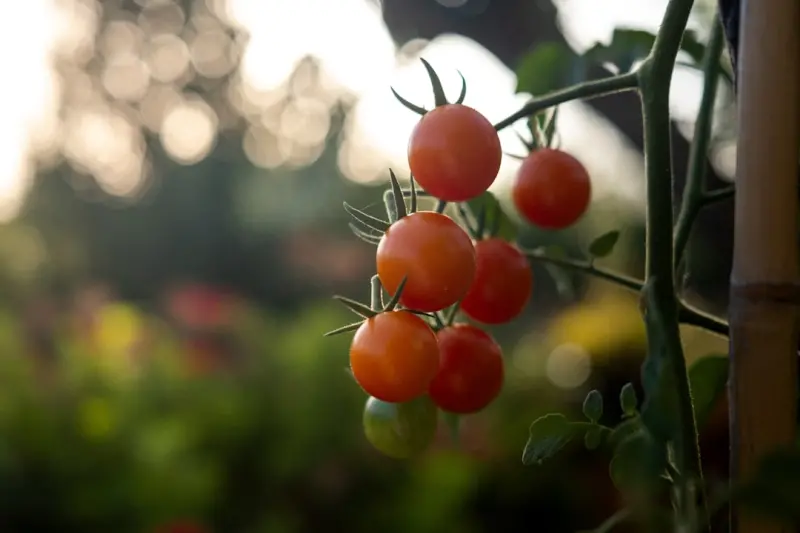
Harvesting Happiness: How a Small Urban Garden Can Transform Your Work‑Life Rhythm
Amanda shares how cultivating a modest urban garden mirrors Agile cycles, builds psychological safet... Read More
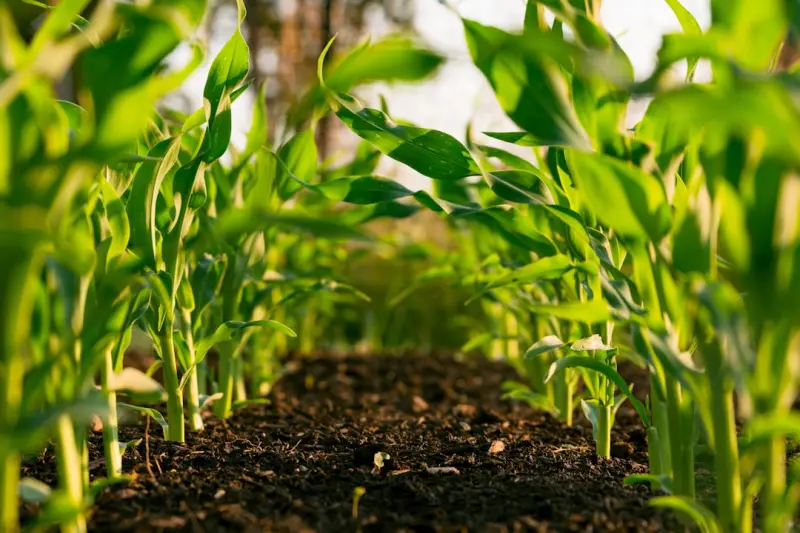
The Soil Microbiome’s Secret Language: Turning Gardens into Living Labs
A deep dive into the hidden world of soil microbes reveals how gardeners can apply systems thinking,... Read More
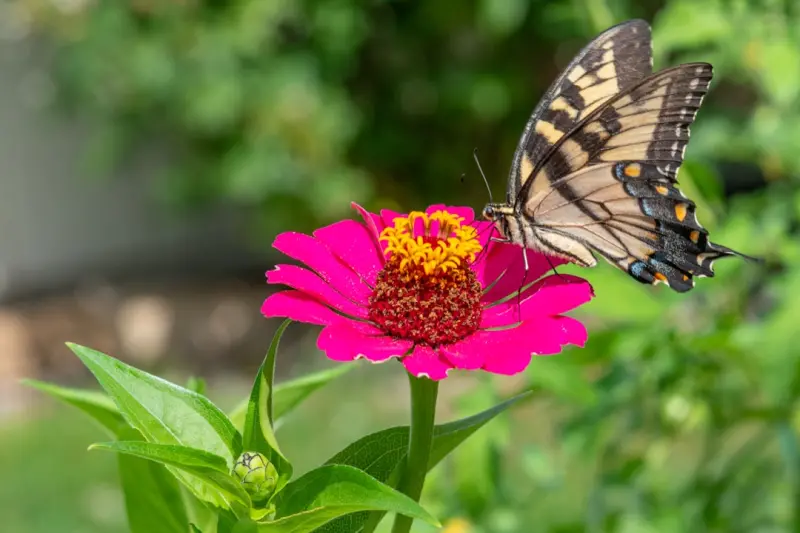
Cultivating a Pollinator‑Friendly Garden in a Changing Climate
A practical, step‑by‑step guide to creating a garden that supports bees, butterflies, and other ... Read More
Top Posts

When Pixels Become Property: Decoding Copyright for AI‑Generated Art
A deep dive into the legal complexities surrounding AI‑generated art, covering authorship, jurisdiction, fair use, practical safeguards for creators, and the ...Read More

Why Privacy‑First Machine Learning Is the Next Competitive Edge for SaaS
Privacy‑preserving machine learning lets SaaS companies turn compliance into a competitive advantage, delivering secure, personalized experiences that win ent...Read More

Why Cybersecurity Must Go Green: My Take on Sustainable Defense
Discover how integrating sustainability into cybersecurity creates a greener, safer digital world, with practical tips for developers, businesses, and home user...Read More

Beyond Aesthetics: Crafting Sensory‑Rich Workspaces for the Modern Professional
A deep dive into how integrating color theory, tactile materials, curated scents, and balanced soundscapes transforms ordinary offices into sensory‑rich envir...Read More
0 Comments
Post Comment
You will need to Login or Register to comment on this post!