
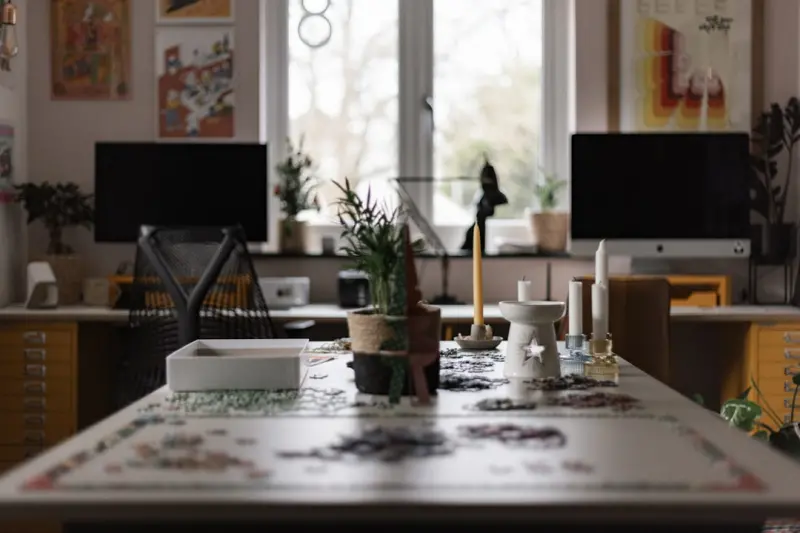
Why the Senses Matter More Than Ever in Workspaces
When I first began curating spaces for creative teams, I was fixated on the visual impact – sleek lines, bold color blocks, and the occasional statement piece. Over time, I realized that a room that looks great on Instagram can still feel draining after a few hours. The real magic happens when sight, touch, scent, and sound converge to create an environment that nurtures focus, sparks inspiration, and supports wellbeing. This sensory‑first approach is no longer a luxury; it’s becoming a prerequisite for any professional space that aims to retain talent and boost productivity.
Color: More Than a Mood Setter
Colors have a physiological influence that extends far beyond aesthetic preference. Warm hues such as terracotta or muted amber can increase circulation, while cool blues and soft greens tend to lower heart rate and promote calm. Instead of defaulting to the classic “corporate blue,” I now start each project by mapping the desired emotional arc of the space. For a brainstorming hub, I might layer a vibrant mustard accent wall with subtle teal furnishings to keep energy high without overwhelming the eye. For a focused‑work zone, a muted sage backdrop paired with natural wood tones encourages sustained concentration.
When choosing paint, I also consider the reflectivity of the finish. Matte surfaces absorb light, reducing glare, while satin finishes can bounce subtle light across the room, creating a gentle, uplifting ambience. This nuance can be the difference between a space that feels soothing and one that feels sterile.
Texture: The Tactile Conversation
Touch is an often‑overlooked element in professional interiors, yet it speaks volumes. A desk topped with a smooth walnut veneer invites a different interaction than one covered in reclaimed concrete. I like to introduce a layered tactile narrative: soft, woven wall hangings, a plush rug underfoot, and a brushed metal lamp base. These contrasts not only add visual interest but also give occupants subconscious cues about comfort and hierarchy.
When selecting fabrics, I prioritize durability without sacrificing hand feel. High‑performance textiles that resist stains yet retain a buttery softness are ideal for conference tables and lounge chairs. For a subtle luxury, I incorporate natural fibers like linen and hemp, which age gracefully and develop a unique patina that tells the story of the space’s usage.
Scent: The Invisible Atmosphere
Our sense of smell is directly wired to the limbic system, the brain region that processes memory and emotion. A faint hint of citrus can invigorate the mind, while a whisper of lavender can ease tension. In my recent projects, I’ve turned to diffusers that release calibrated bursts of essential oil blends at intervals, ensuring the scent never becomes overpowering.
Choosing the right fragrance is a collaborative process. I involve employees in a short workshop where they sample a curated palette of aromas and vote on those that feel most aligned with the company’s culture. The result is a personalized scent signature that subtly reinforces brand identity without shouting it.
Soundscape: Crafting a Balanced Acoustic Environment
While many interior conversations focus on visual impact, sound is a decisive factor for concentration and collaboration. Open‑plan layouts often suffer from echo and background chatter that can erode productivity. Instead of relying solely on traditional acoustic panels, I employ a combination of soft furnishings, strategic placement of planters, and ceiling‑mounted baffles that absorb mid‑range frequencies.
For a nuanced approach, I recommend integrating low‑level ambient sound—think distant water flow or gentle rustle of leaves—through hidden speakers. This creates a soundscape that masks distracting noises without becoming a focal point. The key is to keep the volume below the threshold of conscious awareness, allowing the brain to filter it as background comfort.
Lighting: The Rhythm of Day and Night
Natural light remains the gold standard for health, but the reality of most office footprints includes limited window access. To mimic daylight, I layer lighting sources: overhead LEDs with a high CRI (Color Rendering Index) to render colors accurately, task lights that can be dimmed for reading or detailed work, and indirect uplighting that reduces eye strain during evening hours.
Beyond intensity, the color temperature of light influences alertness. Cooler temperatures (around 5,000 K) stimulate wakefulness, while warmer tones (around 2,700 K) encourage relaxation. I program lighting controls to shift gradually through the day, aligning with natural circadian rhythms and minimizing the “jet‑lag” effect that many experience in artificial environments.
Biophilic Integration: Bringing Nature Inside
People have an innate affinity for natural elements—a concept known as biophilia. I integrate this through living walls, desk‑side succulents, and large‑scale timber finishes. These components not only improve air quality but also provide visual respite, reducing stress hormones like cortisol.
One project featured a series of modular planter boxes that could be reconfigured as teams grew or reorganized. The flexibility allowed the space to evolve organically, mirroring the growth of the organization itself.
Personalization at Scale
Every employee brings a unique set of preferences, and modern workspaces need to accommodate this diversity. I implement adjustable furniture systems—height‑adjustable desks, swivel chairs with customizable lumbar support, and movable partitions—that empower individuals to tailor their environment.
Technology can aid personalization without feeling intrusive. Simple, non‑data‑heavy controls embedded in the desk surface let users set their preferred lighting temperature, scent intensity, and soundscape profile with a single tap. This approach respects privacy while delivering a bespoke experience.
Case Study: Transforming a Tech Hub into a Sensory Sanctuary
Recently, I worked with a fast‑growing technology firm that struggled with employee burnout despite offering competitive perks. The existing layout was an open floor with fluorescent lighting and stark white walls—a textbook example of “look busy, feel drained.”
We began with a series of workshops to uncover the team’s sensory preferences. The data revealed a desire for calmer colors, more tactile variety, and subtle background sound. Over a six‑month rollout, we implemented the following changes:
- Color palette: Warm greige walls paired with accent panels in muted teal.
- Texture upgrades: Replaced plastic chairs with upholstered options featuring natural fibers; added a woven rug in the collaboration zone.
- Scent strategy: Installed a programmable diffuser releasing a citrus‑mint blend during peak work hours and a soft lavender scent in the evening.
- Soundscape: Integrated discreet speakers playing a low‑frequency ambient track, and added acoustic ceiling tiles to tame echo.
- Lighting: Switched to tunable LEDs that shift from cool to warm tones throughout the day.
The impact was measurable: after three months, the company reported a 20% reduction in sick‑day usage and a 15% increase in reported employee satisfaction. The space now feels like a “second home,” encouraging both focus and collaboration.
Future‑Proofing Your Space
As workplaces continue to evolve, the sensory framework offers a resilient foundation. Unlike trends that fade, the human response to color, texture, scent, and sound is rooted in biology. By designing with these elements in mind, you create an environment that adapts to shifting work patterns—whether teams return to the office, stay hybrid, or remain fully remote.
For those interested in deeper insights on how privacy can become a strategic advantage in client relationships, I recommend exploring this piece: discover why privacy matters for client trust. While not directly about interior styling, the underlying principle—respecting individual needs—parallels the sensory‑first mindset we champion in physical spaces.
Ultimately, the goal is to craft a workspace that feels intuitive, nurturing, and empowering. When every sense is considered, the resulting environment does more than support work; it inspires it.

Karen Edwards is a seasoned freelance writer with a passion for all things furry, feathered, and scaled. With a dedicated focus on pets, she brings a wealth of knowledge and a keen eye for detail to her writing.
Related Posts

Designing Adaptive Multi‑Use Rooms for Modern Living
Discover practical strategies to transform a single room into a versatile haven for work, entertainm... Read More
Sustainable Chic: How Modern Interior Design Marries Style and Eco‑Conscious Living
Explore how today’s interior design fuses sustainable materials, green tech, and biophilic element... Read More
Designing Acoustic Sanctuaries: How Sound Shapes Modern Home Offices
Learn how to turn any room into an acoustic sanctuary with practical tips on materials, layout, and ... Read More
Top Posts

From Clicks to Conversations: Rethinking SEO as a Relationship Engine
SEO is evolving from a focus on keywords and rankings to a relationship‑centric strategy that nurtures prospects throughout their buyer journey. Learn how int...Read More

Unlocking Hidden Energy Capital for Business Growth
Energy isn’t just kilowatts on a bill; it’s the silent driver of productivity, cost efficiency, and brand strength. This post reveals how companies can map,...Read More

AI‑Generated Indie Games: How Players Are Co‑Creating the Future of Play
Discover the AI‑driven indie gaming revolution, where creators and players collaborate in real time to craft immersive, personalized adventures....Read More

Rethinking Your Laptop Life: Power, Portability, and Purpose
Discover a fresh framework for selecting a laptop that scales with AI workloads, adapts to mobile workstyles, and prioritizes repairability and security, ensuri...Read More
0 Comments
Post Comment
You will need to Login or Register to comment on this post!