
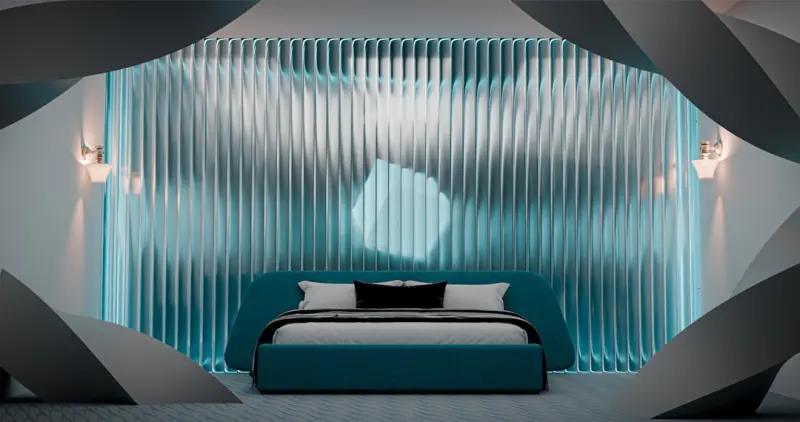
When I first walked into a showroom that felt more like a concert hall than a living room, I realized I’d been missing a fundamental layer of design for years: sound. Interior design isn’t just about color palettes, furniture silhouettes, or the latest material trends. It’s also about the invisible, vibrating canvas that fills every space—the acoustic environment. Today’s designers are learning to treat sound as a material, sculpting it with the same care they give to wood, glass, or fabric. This shift is quietly reshaping homes, offices, and public venues, turning them from echo chambers into wellness‑boosting sanctuaries.
Why Acoustic Design Deserves a Seat at the Table
For decades, architects and interior designers relegated acoustics to the realm of engineers. The prevailing mindset was simple: if a space didn’t scream “concert hall,” its sound performance wasn’t a priority. However, a growing body of research shows that the way sound behaves in a room directly impacts concentration, stress levels, and even heart rate. In a world where remote work, virtual collaboration, and personal well‑being dominate conversations, the acoustic profile of a space has become a decisive factor in how we feel and perform.
Think about the last time you tried to focus in an open‑plan office. The hum of HVAC, the clatter of keyboards, and distant conversations can create a “cognitive noise” that drains mental bandwidth. Conversely, a well‑treated room can mute distractions, allowing the brain to settle into a state of flow. This isn’t just theory; it’s backed by studies linking reverberation time (the length it takes for sound to fade) with productivity metrics. Shorter, well‑controlled reverberation leads to clearer speech intelligibility and reduced listener fatigue.
Materials as Sound Sculptors
Just as a designer selects a walnut veneer for its warmth, they now choose acoustic panels for their ability to absorb, diffuse, or reflect sound. The palette has expanded beyond traditional fiberglass or foam to include:
- Porous wood panels that blend natural aesthetics with mid‑frequency absorption.
- Acoustic ceiling clouds made from recycled PET, offering sustainability plus a soft visual cloud effect.
- Textile‑wrapped baffles in bold colors that double as statement art pieces.
- Living walls—vertical gardens that not only improve air quality but also dampen sound through plant foliage and soil mass.
These elements can be layered to create a “sound sandwich,” where each layer targets a specific frequency range. Low frequencies (think bass thumps from a home theater) are tamed with dense, heavy materials, while high frequencies (like a squeaky chair) are softened with fibrous textiles.
Tech‑Enabled Acoustic Solutions
Smart homes have already introduced lighting and climate control that respond to voice commands. The next frontier is adaptive sound environments that react to occupancy, activity, or even mood. Imagine a conference room that detects a video call starting and automatically adjusts wall absorbers, speaker volumes, and ambient white‑noise generators to optimize speech clarity. Or a bedroom that senses a user’s heart rate and subtly lowers reverberation for a more restful sleep experience.
These systems rely on a network of wearable sensors that feed real‑time data into acoustic control units. While the technology is still emerging, early adopters report measurable reductions in stress markers and increased satisfaction with their environments.
Designing for Different Use Cases
Acoustic design is not a one‑size‑fits‑all solution. Each function—whether it’s a bustling café, a quiet home office, or a collaborative studio—has unique sound requirements.
Home Offices and Remote Work Sanctuaries
Remote workers need a space that isolates them from household noise while preserving a sense of connection to the outside world. Layered floor underlays, acoustic desk dividers, and strategically placed soft furnishings can create a personal “sound bubble.” Adding a subtle background soundscape—like gentle rain or a low‑frequency hum—can further improve focus.
Hospitality Spaces
Hotels and restaurants now treat acoustic comfort as a brand promise. Guests expect a lullaby of soft chatter rather than a cacophony of clattering dishes. Designers are employing perforated wood screens and custom‑milled acoustic ceilings that echo the venue’s visual theme, turning sound into a brand‑defining element.
Retail Environments
Sound can influence buying behavior. A well‑tuned acoustic environment can make product demos clearer, encourage longer dwell time, and even elevate perceived product value. Retailers are beginning to incorporate Micro‑Garden Lab: Turning Small Spaces into Living Experiments concepts, using compact green installations that double as acoustic diffusers and visual intrigue.
Balancing Aesthetics and Function
One of the biggest challenges is ensuring that acoustic treatments don’t become eyesores. The solution lies in treating sound‑absorbing elements as design objects. For example, acoustic panels can be printed with custom graphics, mimicking artwork or even cityscapes. Sculptural baffles can be arranged in patterns that echo the architecture’s geometry, making the functional element a focal point rather than a hidden afterthought.
Another tactic is to hide acoustic materials behind decorative façades. A wall of reclaimed brick can incorporate a thin layer of acoustic insulation, preserving the rustic charm while improving sound quality. This approach respects the client’s aesthetic preferences without compromising performance.
The Role of Color and Light in Perceived Acoustics
Our perception of sound is surprisingly influenced by visual cues. A room painted in cool, muted tones often feels more tranquil, even if the actual decibel levels are unchanged. Likewise, strategic lighting can soften harsh acoustic reflections. Warm uplighting on textured walls creates a sense of depth that distracts from lingering echoes.
Designers are experimenting with dynamic lighting that syncs with acoustic adjustments. When a space transitions from a collaborative meeting to a quiet reflection period, the lights dim and the sound‑absorbing panels deploy, creating a holistic sensory shift.
Measuring Success: From Decibels to Delight
Traditional acoustic metrics—like reverberation time (RT60) and sound transmission class (STC)—are still essential. However, designers now supplement these numbers with post‑occupancy surveys that gauge occupant satisfaction. Questions focus on perceived clarity, comfort, and overall well‑being. The data often reveals that spaces designed with acoustic intention score higher on employee retention, customer loyalty, and even sales conversion.
Future Trends to Watch
Looking ahead, three trends are poised to push acoustic design even further:
- AI‑Driven Acoustic Modeling: Advanced simulation tools can predict how a design will sound before any material is installed, allowing rapid iteration.
- Biophilic Acoustics: Integrating living elements—like moss walls or water features—that naturally modulate sound while providing health benefits.
- Modular Acoustic Furniture: Pieces that can be reconfigured on the fly, letting users customize the acoustic footprint of their workspace in real time.
By embracing these innovations, interior designers can elevate their practice from purely visual storytelling to full‑sensory orchestration. The result? Spaces that not only look beautiful but also feel—and sound—right.

Shawn DesRochers is a certified Microsoft technician and Programmer with 30+ year's experience. He has written many reviews on computer related products, software, and SEO related topics. When he's not writing reviews he can be found at one of the Oldest Directories Online Web Domain Authority which he is the CEO of.
Related Posts
Beyond Aesthetics: Crafting Spaces That Nurture the Senses
A deep dive into multisensory interior design, revealing how sound, scent, texture, light, and thoug... Read More
Silence by Design: Crafting Acoustic Wellness in Modern Interiors
A deep dive into acoustic wellness reveals how thoughtful sound management—through materials, tech... Read More
When Home Meets Hub: Crafting Interiors That Power Remote Creativity
A deep dive into designing home spaces that support remote work, covering color psychology, acoustic... Read More
Top Posts

Turning WordPress Into a Scalable Learning Management System
Learn how to turn your WordPress site into a scalable learning platform using native tools, smart plugins, AI personalization, and community‑first tactics....Read More

Quiet Hubs: How Private Social Communities Are Redefining B2B Engagement
Private, invitation‑only social pods are emerging as the new frontier for B2B engagement. This post explains why public feeds are losing impact, how to design...Read More

From Static Checklists to Living Process Orchestrators
A deep dive into why traditional static checklists are holding teams back and how adaptive, living process orchestration tools can transform productivity, colla...Read More

Edge‑First Development: Why Building at the Edge Is the New Normal for Modern Web Apps
Edge‑first development moves compute, storage, and security to the network’s edge, delivering faster, more resilient web apps. This guide explains the benef...Read More
0 Comments
Post Comment
You will need to Login or Register to comment on this post!