

Why Neurodiversity Matters in Modern Web Design
When we talk about inclusive design, the conversation often circles back to visual impairments or mobility challenges, yet an equally critical dimension—neurodiversity—remains under‑explored. Neurodivergent users process information, navigate interfaces, and respond to stimuli in ways that differ from neurotypical patterns, meaning that a site that feels seamless to one person can feel chaotic to another. By acknowledging this spectrum—from autism and ADHD to dyslexia and anxiety—we open the door to richer, more humane digital experiences that respect cognitive diversity as a core design principle.
Rethinking Visual Hierarchy for Cognitive Ease
Traditional visual hierarchy leans heavily on contrast, color, and motion to guide attention, but for many neurodivergent users, excessive motion or high‑contrast flashes can trigger overload. Designers can mitigate this by offering subtle, predictable cues such as gentle color shifts, consistent layout grids, and the ability to pause or disable animations. Embedding user‑controlled preferences not only reduces cognitive strain but also aligns with broader accessibility standards, turning what might be a barrier into an empowering choice.
Language, Content Chunking, and Cognitive Load
Complex sentences and dense paragraphs are a hidden obstacle for readers who benefit from clear, concise communication. By breaking content into bite‑size chunks, using descriptive headings, and providing plain‑language alternatives, we lower the mental effort required to extract meaning. This approach dovetails with the growing emphasis on readability tools and can be reinforced through progressive disclosure—showing only essential information up front while allowing deeper dives on demand.
Interactive Elements That Respect Neurodivergent Needs
Forms, menus, and interactive widgets should be forgiving, offering generous error tolerance and clear, step‑by‑step guidance. For instance, real‑time validation that explains errors in plain language helps users correct mistakes without frustration. Moreover, providing multiple input methods—such as voice, keyboard shortcuts, or drag‑and‑drop—caters to diverse interaction preferences, ensuring that no one feels locked out of essential functionality.
Personalization Without Intrusion
Adaptive interfaces that learn a user's preferred reading speed, contrast settings, or navigation style can dramatically improve comfort, but they must be transparent and reversible. Offering a clearly labeled “Neurodiversity Mode” lets users opt‑in to a curated experience that, for example, reduces animation, simplifies menus, and emphasizes high‑readability typography. Crucially, the toggle should be easily accessible from any page, reinforcing a sense of control rather than hidden settings buried in obscure menus.
Design Systems that Embed Neuro‑Inclusive Patterns
When teams adopt component‑driven design systems, they have the opportunity to bake neuro‑inclusive principles directly into the building blocks. Consistent button states, predictable focus outlines, and modular layouts that can be rearranged to suit individual needs become part of the DNA of every product. This systematic approach not only streamlines development but also ensures that inclusivity scales as the brand grows.
Testing with Real Neurodivergent Users
Usability testing should extend beyond the usual demographic snapshots to include participants who identify as neurodivergent. Their feedback uncovers subtle pain points—like the disorienting effect of auto‑playing carousels or the confusion caused by overly dense navigation menus—that might otherwise go unnoticed. By integrating these insights early, designers avoid costly retrofits and demonstrate genuine commitment to an inclusive ethos.
Tools and Resources That Empower Inclusive Design
Emerging platforms are making it easier to prototype and evaluate neuro‑inclusive experiences without deep technical expertise. For example, low‑code platforms now include accessibility plugins that flag potential cognitive overload issues in real time. Similarly, visual search research highlighted in visual search informs how imagery can be optimized for clarity, while insights from sensory storytelling guide the subtle use of color and sound to create soothing, memorable journeys.
Looking Ahead: A Culture of Neuro‑Inclusive Innovation
The shift toward neuro‑diverse web design is not a fleeting trend but a fundamental evolution in how we conceive digital spaces. As designers, developers, and strategists embrace this mindset, we lay the groundwork for a web that feels intuitive, welcoming, and respectful for everyone—regardless of how their brains work. By championing thoughtful visual hierarchies, clear language, adaptable interactions, and rigorous user testing, we turn inclusion from a checkbox into a lasting competitive advantage.

Mei Chen is a dynamic professional who brings a unique blend of skills to Blogging Fusion. As a key contributor to the Blogging Fusion platform, she leverages her writing expertise to create engaging content that resonates with our audience.
Related Posts

Designing for Neurodiversity: Crafting Web Experiences That Embrace All Minds
Discover practical ways to design websites that respect neurodiverse users, balancing visual harmony... Read More
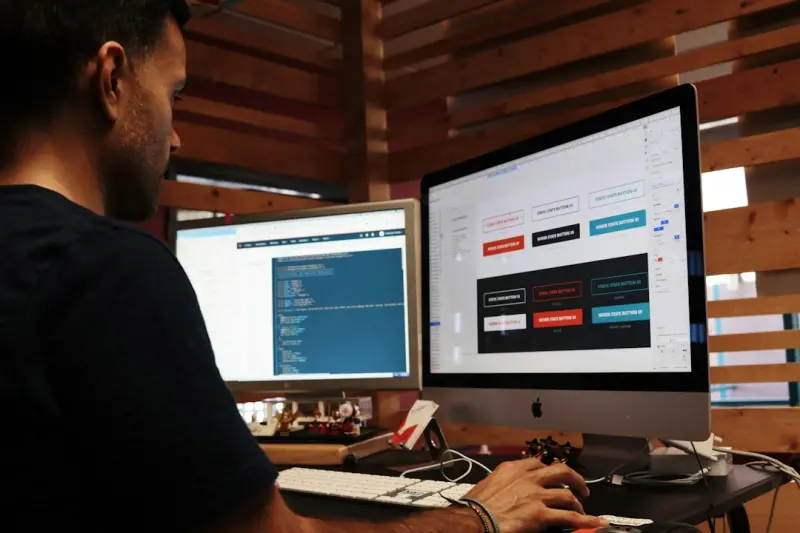
The Secret Power of Micro‑Interactions in Web Design
Micro‑interactions—tiny, purposeful animations and feedback—can turn a static SaaS interface i... Read More

Designing for Purpose: The New Wave of Sustainable Web Experiences
Discover why today’s web design blends sustainability, AI, and purposeful storytelling to create e... Read More
Top Posts

Branding Reinvented: Sensory Storytelling & Identity
Learn to turn branding into a multisensory journey and an adaptive system that grows with your audience, using real‑world examples and actionable tactics....Read More

Why the Toy Rental Boom Is Rewriting Playtime
Toy rentals are transforming play by extending product lifespans, cutting costs, and fostering community, offering a sustainable and inclusive alternative to tr...Read More

The Future of Energy: A Sustainable Revolution
The energy industry is on the cusp of a revolution, driven by declining costs and improving efficiencies in renewable energy sources. Learn about the latest dev...Read More
The Slow‑Motion Mindset: Crafting Web Experiences That Feel Swift Yet Soulful
Learn how intentional load sequencing, micro‑storytelling, and performance‑first aesthetics create web designs that feel fast yet give users space to engage...Read More
0 Comments
Post Comment
You will need to Login or Register to comment on this post!