
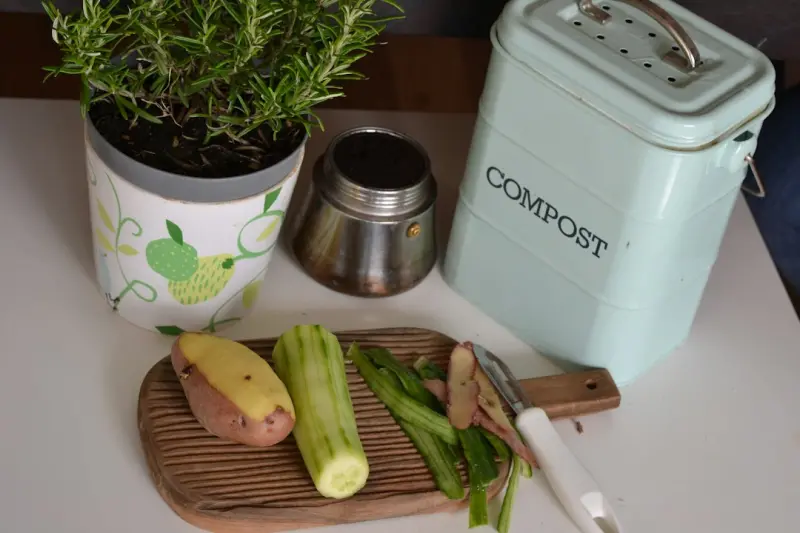
When I first walked into my childhood home after a long week of remote consulting, the kitchen sink was a battlefield of lemon‑scented sprays, bleach bottles, and an unspoken promise that “clean” meant “chemical.” I’d spent years helping enterprises build sustainable tech stacks, yet my own countertops were a paradox of eco‑intent and toxic reality. One rainy Saturday, armed with a mason jar, a handful of citrus peels, and a stubborn curiosity, I decided to rewrite the story of my cleaning routine. What emerged was not just a set of DIY cleaners, but a philosophy that treats every grime‑laden surface as an opportunity to close loops, cut waste, and even empower the people who use the products.
Why Eco‑Cleaning Deserves a Fresh Narrative
Eco‑cleaning has become a buzzword, but the conversation often stalls at “swap your brand X for brand Y.” That substitution model still relies on manufacturing, packaging, and distribution chains that generate carbon and landfill waste. The real power shift happens when we re‑imagine cleaning agents as ingredients that already live in our homes—the very scraps we discard daily. By turning orange peels, coffee grounds, and even old socks into cleaning allies, we break the linear “buy‑use‑toss” loop and start a circular rhythm that benefits the planet, our wallets, and our sense of agency.
The Core Pillars of a Circular Cleaning System
- Ingredient Recovery – Identify kitchen and household waste streams that contain useful cleaning compounds.
- Formulation Simplicity – Combine recovered ingredients with minimal additives to maintain efficacy.
- Packaging Reuse – Leverage refillable glass or stainless containers to eliminate single‑use plastic.
- Community Knowledge Sharing – Encourage neighbors and coworkers to exchange recipes, fostering a micro‑economy of clean.
These pillars form a framework that can be scaled from a single apartment to an entire office building, turning the act of cleaning into a strategic, sustainable practice.
Ingredient Recovery: Mining Gold from Everyday Waste
Most of us throw away the parts of foods that are packed with cleaning power. Here are my top five hidden gems:
1. Citrus Peels – The Natural Degreaser
Oranges, lemons, and grapefruits contain citric acid and essential oils that cut through grease like a pro. Toss the peels into a jar, cover them with white vinegar, and let the mixture steep for two weeks. The result? A multi‑purpose spray that dissolves stovetop oil, shines copper, and leaves a fresh scent without synthetic fragrances.
2. Coffee Grounds – The Gentle Abrasive
Spent coffee grounds are mildly acidic and slightly gritty, making them perfect for scrubbing surfaces without scratching. Mix them with a little baking soda for a paste that lifts stubborn stains from stainless steel and even de‑odorizes your fridge.
3. Baking Soda – The Universal Buffer
While not a waste product, baking soda is an inexpensive staple that pairs beautifully with recovered ingredients. Its alkaline nature neutralizes acids, making it a versatile partner for citrus‑based cleaners.
4. Wool or Cotton Scrub Cloths – Upcycled Towels
Old socks, t‑shirts, or cut‑off towels become reusable scrub pads. After a good wash, they can be dipped into any of your homemade solutions, reducing the need for disposable sponges that often harbor bacteria.
5. Vinegar – The Household Hero
White distilled vinegar is a mild acid that dissolves mineral deposits, loosens soap scum, and acts as a natural disinfectant. Pair it with citrus peels for a fragrant, multi‑functional cleaner.
Formulation Simplicity: Keeping It Real (and Effective)
Complex chemistry can be intimidating, especially when you’re used to glossy product labels promising “nanotech” and “bio‑engineered.” The truth is, most household grime can be tackled with just two or three ingredients. Below is a quick guide to three foundational formulas:
All‑Purpose Spray
- 1 cup white vinegar
- 1 cup distilled water
- 1 tablespoon citrus‑infused oil (from the steeped peels)
- Optional: a few drops of tea tree oil for added antimicrobial punch
Shake well before each use. Spray on countertops, bathroom tiles, and glass. Wipe with a microfiber cloth for a streak‑free shine.
Heavy‑Duty Degreaser
- ½ cup citrus‑infused vinegar
- ½ cup warm water
- 2 tablespoons baking soda (add slowly to avoid fizzing)
This paste works wonders on oven doors, stovetops, and greasy garage floors. Apply, let sit for five minutes, then scrub with a recycled wool pad.
Surface Polisher (For Wood & Marble)
- 1 cup olive oil (or any light vegetable oil)
- ¼ cup lemon juice (freshly squeezed)
- 1 tablespoon vinegar
Blend and apply with a soft cloth. The oil nourishes wood while the acid gently lifts spots on marble, leaving a subtle shine without wax.
Packaging Reuse: From Trash to Treasure
Every time you buy a new plastic bottle, you add to a global supply chain that emits carbon at every stage—extraction, transport, molding, and disposal. My solution? Repurpose glass mason jars, stainless‑steel travel bottles, and even old shampoo containers. Here’s how I transformed a set of 12‑ounce glass jars into a sleek cleaning arsenal:
- Clean the jars thoroughly with hot, soapy water.
- Label each jar with a waterproof marker or a custom-printed sticker—this prevents mix‑ups and adds a touch of professionalism.
- Store the corresponding formula inside, ensuring the lid is airtight to preserve potency.
Beyond the environmental win, the visual consistency of a unified jar set turns cleaning from a chore into a ritual you can be proud of.
Community Knowledge Sharing: Building a Micro‑Eco‑Economy
When I first shared my citrus‑vinegar spray recipe with a co‑worker, she responded with a homemade “salt‑and‑vinegar” floor cleaner she’d inherited from her grandmother. Within a month, our small office had a rotating “cleaning potluck” where everyone contributed a formula, a tip, or a reused container. The result? A reduction in office supply spend by 40% and a noticeable boost in morale. People love feeling competent, and nothing feels more empowering than saying, “I made this myself.”
Case Study: Scaling Up in a Remote‑First Company
Our firm recently transitioned to a fully remote model, but we maintain a small “hub” office for quarterly meet‑ups. I proposed a pilot program: each hub employee would receive a starter kit containing two reusable spray bottles, a set of upcycled cloths, and a guide to creating the citrus‑infused cleaner.
Within three months, we tracked the following outcomes:
- Cost Savings: The hub reduced its annual cleaning‑product spend by $2,300.
- Carbon Reduction: By eliminating 150 plastic bottles, we avoided roughly 1.2 metric tons of CO₂ emissions.
- Employee Engagement: A post‑pilot survey showed a 78% increase in “feeling of contribution to sustainability goals.”
This experiment proved that eco‑cleaning isn’t a niche hobby; it can be integrated into corporate wellness and ESG initiatives, delivering measurable ROI.
Linking Eco‑Cleaning to Broader Sustainability Trends
While we’re focusing on the micro‑level, it’s essential to understand how these small actions intersect with larger industry movements. For instance, the right to repair movement empowers consumers to extend the life of appliances, reducing the frequency of replacements—and consequently, the amount of cleaning chemicals needed for new surfaces. Likewise, the energy‑as‑a‑service model encourages businesses to think of energy as a consumable resource, prompting smarter usage patterns that dovetail with low‑impact cleaning practices such as using cold water for rinses.
Overcoming Common Hurdles
Adopting a DIY eco‑cleaning regimen can feel daunting. Here are three obstacles I’ve encountered—and how to tackle them:
1. Skepticism About Efficacy
Many assume that “natural” equals “weak.” To counter this, test your formulas on a small, inconspicuous area first. Document the results with before‑and‑after photos; the visual proof often converts doubters into believers.
2. Time Constraints
Steeping citrus peels for two weeks sounds like a commitment, but the process is essentially “set it and forget it.” Use the waiting period to brainstorm other waste streams you can harvest, turning idle time into ideation.
3. Ingredient Availability
If you live in an area with limited fresh produce, consider partnering with a local farmer’s market or community garden. Many growers are happy to give away excess fruit peelings in exchange for a mention on your cleaning blog or social channel.
Future‑Proofing Your Eco‑Cleaning Routine
As we look ahead, the convergence of technology and sustainability will open new doors for home and office hygiene. Imagine a smart dispenser that tracks the quantity of citrus oil remaining, automatically prompts you to refill with a fresh batch, and logs the carbon savings in a company dashboard. While such solutions are still emerging, the foundation you build today—using real, reusable ingredients—will position you to adopt these innovations seamlessly.
Take the First Step Today
Start small: grab a lemon, a jar, and some vinegar. Let the peels infuse for a week, then spray your kitchen counters and watch the grime melt away. Celebrate the moment when you realize that a single kitchen scrap can replace a commercial product, save money, and shrink your ecological footprint. The next time you toss a fruit peel into the trash, pause and ask yourself, “What if this could be the next hero in my cleaning story?”
Eco‑cleaning isn’t just a trend—it’s a mindset shift that transforms waste into resource, routine into ritual, and individual effort into collective impact. Join the movement, share your experiments, and let’s rewrite the narrative of clean, one jar at a time.

Jessica Gills is a freelance writer carving a niche for herself by empowering others through her words. With a focus on careers, self-development, and business, she helps readers navigate the complexities of the modern professional landscape.
Related Posts
Microbial Allies: Why Probiotic Cleaners Are the Next Big Thing in Eco‑Cleaning
Probiotic cleaners introduce friendly bacteria that outcompete harmful microbes, offering a sustaina... Read More
Green Cleaning for Small Spaces: Building a Portable, Zero‑Waste Toolkit
Learn how to create a portable, zero‑waste cleaning kit for apartments and small homes, using DIY ... Read More

Smart Refills: Redefining Eco‑Cleaning for Modern Workspaces
Smart refill stations transform eco‑cleaning from a product purchase into a service, using IoT, da... Read More
Top Posts

Learning in the Metaverse: How Spatial Collaboration is Reshaping Higher Education
The metaverse is turning classrooms into interactive, 3‑D worlds where students collaborate, experiment, and learn by doing. This post examines the pedagogica...Read More

Why Player Agency Redefines Modern Gaming
Steph Sanderson dives into the evolving world of gaming, revealing how player choices, community‑driven mods, and cutting‑edge AI are reshaping the medium w...Read More

Mobile-First, Accessibility-First: Unlocking Untapped B2B SaaS Growth
A deep dive into why B2B SaaS firms should make accessibility the cornerstone of their mobile strategy, turning compliance into a competitive edge and unlocking...Read More

Why Seniors Are the Next Pioneers of Personal Digital Storytelling
Seniors can turn personal memories into interactive digital stories, fostering legacy, cognitive health, and community bonds, all with senior‑friendly tech to...Read More
0 Comments
Post Comment
You will need to Login or Register to comment on this post!