

When I first stumbled upon a jar of fizzy, amber‑gold kombucha bubbling on a kitchen shelf, I thought it was just another health fad. Yet as I watched the delicate veil of yeast rise and fall, a quiet epiphany unfolded: fermentation isn’t merely a culinary curiosity—it’s a strategic, low‑effort habit that can supercharge the lives of busy professionals who crave both flavor and function.
Why Fermentation Is the Quiet Revolution of the Food & Drink Scene
Fermentation has been around since the dawn of civilization, but its modern renaissance is driven by three forces that perfectly align with today’s hustle culture:
- Health benefits. The probiotics that emerge from sauerkraut, kimchi, and kefir support gut health, which research increasingly links to immunity, mood regulation, and even cognitive performance.
- Convenient nutrition. A single jar can deliver a potent dose of vitamins, enzymes, and micronutrients without the need for additional cooking or prep.
- Sustainability. Fermenting extends the shelf life of produce, reduces food waste, and often utilizes scraps that would otherwise be tossed.
All three of these pillars make fermentation an ideal practice for anyone trying to balance remote work and parenting without losing your mind—or simply keep a healthy routine amid a packed agenda.
Choosing Your First Ferment: Low‑Barrier, High‑Reward
Starting small is key. The best entry points are:
- Kombucha. A sweet‑tart tea that ferments in 7‑10 days. It’s a ready‑to‑drink beverage that can replace sodas and coffee spikes.
- Sauerkraut. Shredded cabbage with a pinch of salt; it ferments in a week and becomes a crunchy side that adds tang to any sandwich.
- Kefir. A milk‑based drink that thickens in 24‑48 hours, perfect for a probiotic‑rich breakfast smoothie.
Each of these requires only a single container, a bit of salt or sugar, and a patient eye. No fancy equipment, no culinary degree—just curiosity.
Tools & Tech for the Time‑Strapped Fermenter
In the era of smart homes, even your fermentation process can benefit from a little automation. Here’s a quick tech checklist that blends seamlessly with a hectic schedule:
- Temperature‑controlled fermentation jars. Ceramic crocks with built‑in thermometers keep the environment stable, eliminating the guesswork of “room temperature.”
- Smart humidity sensors. Pair these with a phone app to receive alerts if your ferment is getting too dry—a subtle nudge that prevents spoilage.
- Online communities. Platforms like Reddit’s r/fermentation or specialized Discord servers act as real‑time knowledge bases, offering troubleshooting tips that feel like a personal mentor.
And if you find yourself squeezing a micro‑break between meetings, consider the Microbreak Mastery mindset: a five‑minute pause to check your ferment’s progress can become a mini‑mindfulness ritual that resets your focus.
Flavor Pairings for the Office Lunchbox
One of the biggest myths about fermented foods is that they’re “acquired tastes.” In reality, they’re chameleons—ready to adapt to the flavors you love. Here are three lunchbox‑friendly combos:
- Spicy Kimchi + Quinoa Bowl. Toss a handful of kimchi into cooked quinoa, add edamame, and drizzle with sesame oil for a probiotic‑packed, protein‑rich meal.
- Kombucha Glaze on Grilled Chicken. Reduce kombucha on low heat until syrupy, then brush over grilled chicken for a tangy, slightly sweet finish.
- Sauerkraut & Avocado Toast. Layer sauerkraut on whole‑grain toast with mashed avocado, a squeeze of lemon, and a sprinkle of smoked paprika for texture and zing.
These pairings are not only delicious; they’re also designed to sustain energy levels throughout the afternoon, avoiding the dreaded “3‑pm slump.”
Sustainability: Fermentation Meets Eco‑Cleaning
Fermentation isn’t just a kitchen trick; it’s part of a broader shift toward circular living. The same principles that preserve vegetables can be applied to cleaning routines. For example, a simple Eco‑Cleaning Overhaul strategy involves using fermented vinegar (a by‑product of kombucha) as an all‑natural disinfectant, reducing reliance on chemical cleaners.
This synergy does two things:
- Reduces waste. The leftover “mother” from kombucha can be repurposed for household cleaning, meaning every batch serves multiple purposes.
- Lowers carbon footprint. Homemade cleaning agents cut down on packaging, shipping, and the production of synthetic chemicals.
Incorporating these practices not only supports personal health but also contributes to a greener office culture—a win‑win for the modern professional who cares about impact.
From Kitchen to Community: Sharing the Ferment Culture
One of the most rewarding aspects of fermentation is its communal nature. Unlike a solitary workout, a jar of sauerkraut invites collaboration:
- Fermentation swaps. Host a monthly “swap meet” where coworkers bring their latest jars to exchange recipes and starter cultures.
- Office fermentation club. Set up a shared fridge space and a simple sign‑up sheet. A rotating “ferment champion” can oversee the process and keep the group engaged.
- Virtual tasting parties. Use video conferencing to sample each other’s creations, discuss flavor profiles, and brainstorm new pairings.
These activities reinforce team bonding, encourage healthy habits, and subtly embed a culture of mindfulness into the daily grind.
Scaling Up: From Single Jars to Small‑Batch Production
If your enthusiasm outgrows the kitchen shelf, consider scaling your fermentations to a small‑batch operation. Here’s a roadmap:
- Standardize recipes. Document every variable—salt concentration, temperature, fermentation time—to ensure consistency.
- Invest in food‑grade containers. Stainless steel or BPA‑free glass jars provide durability and safety for larger volumes.
- Labeling and compliance. Familiarize yourself with local food‑handling regulations; a clear label with probiotic count and best‑by date builds trust.
- Distribution channels. Leverage coworking spaces, local farmers markets, or subscription boxes to get your products to a wider audience.
Even a modest side hustle can generate supplemental income, turning a personal health habit into a micro‑enterprise that aligns with the entrepreneurial spirit of today’s workforce.
Mindful Fermentation: The Intersection of Flavor and Focus
Fermentation teaches patience—a valuable counterpoint to the rapid‑fire nature of modern work. Each bubble, each sour note, is a reminder that great outcomes often require time. By integrating this mindset into your daily routine, you cultivate:
- Resilience. Watching a ferment transform teaches you to trust processes, even when results aren’t immediate.
- Presence. The simple act of checking a jar’s aroma or texture anchors you in the moment, a natural antidote to multitasking overload.
- Creativity. Experimenting with spice blends, fruit infusions, or fermentation durations unlocks a sandbox of flavor innovation.
In practice, a five‑minute “ferment check” can serve as a mental reset, much like a brief meditation, reinforcing focus for the tasks ahead.
Final Thoughts: Fermentation as a Lifestyle Upgrade
Whether you’re a software engineer sprinting through sprints, a marketing director juggling campaigns, or a parent navigating remote‑work logistics, fermentation offers a low‑maintenance, high‑reward habit that dovetails with your priorities. It fuels your body, sharpens your mind, and aligns with sustainability goals—all without demanding a second job in the kitchen.
So the next time you glance at that quiet, bubbling jar, remember it’s more than a trendy beverage; it’s a tiny, living laboratory that can transform your health, your productivity, and even your community. Embrace the fizz, the tang, and the quiet patience it requires, and let your kitchen become the most powerful boardroom you’ve ever owned.

Margaret Thomson is a seasoned freelance writer specializing in the dynamic worlds of marketing and advertising. With a career deeply rooted in the marketing field, Margaret brings a wealth of practical experience and insightful knowledge to her writing.
Related Posts

Mixology Meets Machine Learning: How Algorithms Are Redefining the Bar Scene
Explore how machine learning is transforming mixology, delivering hyper‑personalized drinks, cutti... Read More
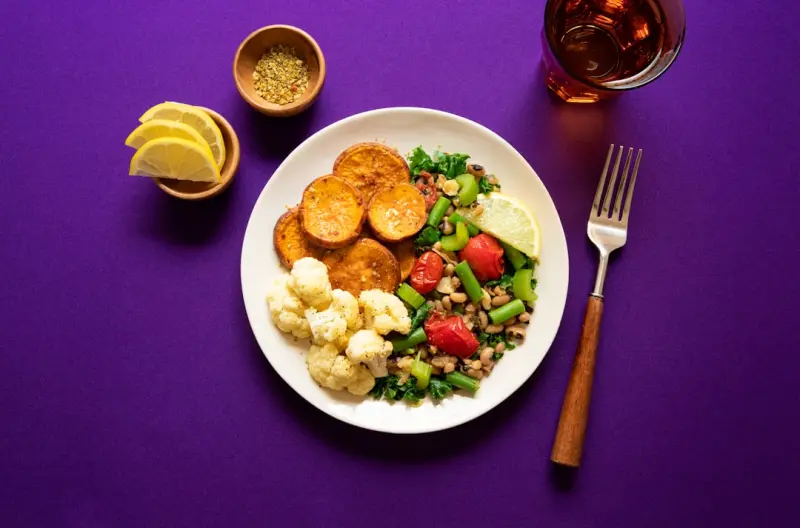
Flavor Exploration: Turning Everyday Meals into a Lab of Taste
Melanie Wilson shares her personal journey of turning her kitchen into a flavor lab, offering practi... Read More

Zero‑Waste Cocktails: Turning Scraps Into Sip‑Worthy Masterpieces
Learn to transform citrus peels, herb stems, and other leftovers into vibrant, eco‑friendly cockta... Read More
Top Posts

Sustainable Cleaning Strategies That Boost Rental Property Performance
A deep dive into eco‑cleaning for rentals, showing how refillable supplies, reusable tools, and transparent guest communication turn green practices into a po...Read More
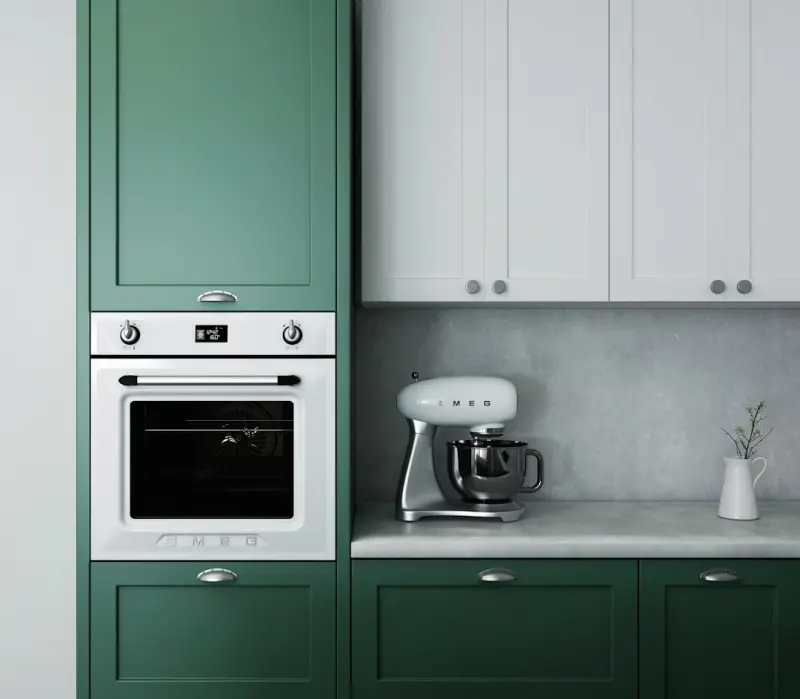
Smart, Sustainable Appliances: How to Future‑Proof Your Kitchen Without Compromise
Explore how modular design, energy‑efficiency, and privacy‑focused smart features can transform your kitchen into a sustainable, future‑proof hub....Read More

Quiet Power: Why Fanless PCs Are the Future of Open‑Plan Workspaces
Fanless computers are reshaping workplace dynamics by offering silent operation, improved ergonomics, and robust security—all without sacrificing performance....Read More
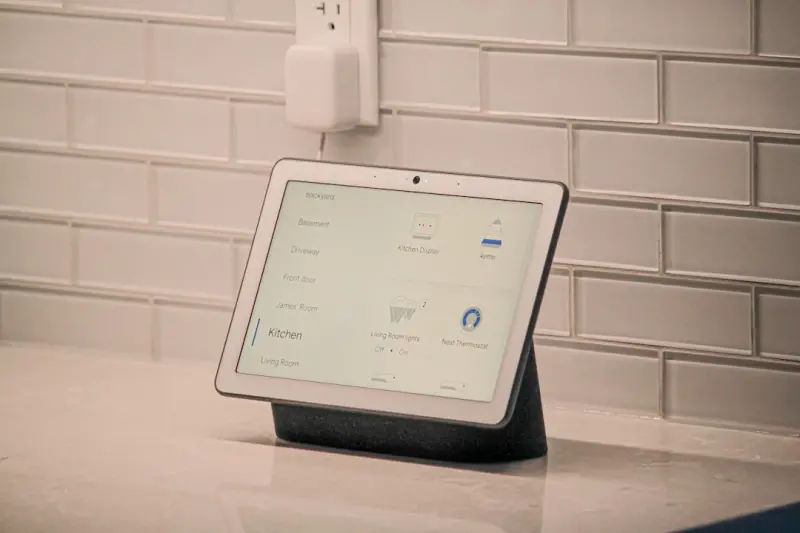
Smart Home Safety: Balancing Convenience with Real‑World Protection
A hands‑on guide to safeguarding your smart home, blending modern tech with timeless safety habits to protect family, pets, and peace of mind....Read More
0 Comments
Post Comment
You will need to Login or Register to comment on this post!