
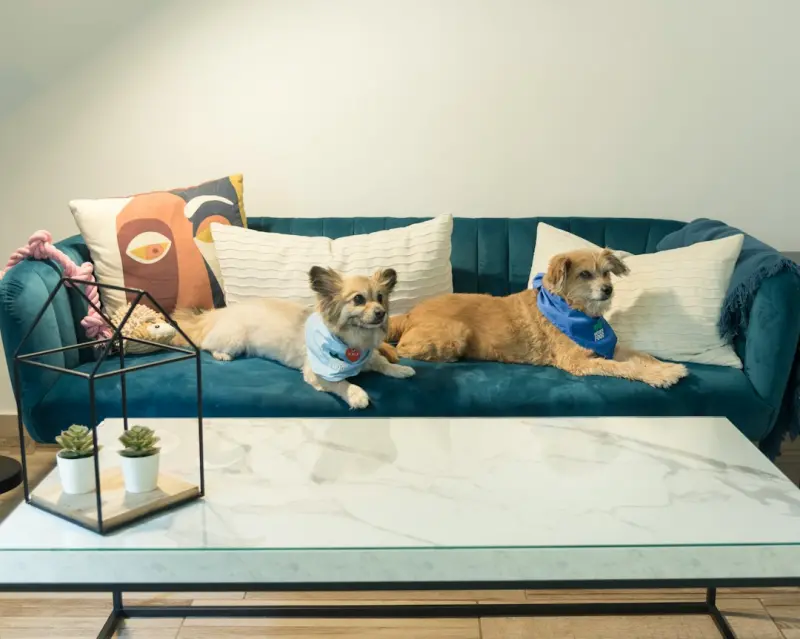
Why a Pet‑Centric Home Is More Than a Cute Trend
Working from a home office has turned many of us into amateur interior designers, ergonomics experts, and, unintentionally, pet psychologists. The line between “my workspace” and “our living space” blurs the moment Fido claims the ergonomic chair as his new throne or Luna curls up on the conference‑call backdrop. If you’re a remote professional who loves their four‑legged (or feathered) companion, you’re not just looking for a cute photo op—you’re building an ecosystem where productivity, wellness, and pet happiness reinforce each other.
Re‑thinking the Layout: Zones That Serve Both Human and Animal
Traditional home‑office design focuses on lighting, acoustics, and desk placement. A pet‑centric approach adds three more zones:
- Play‑Pause Area: A dedicated rug or mat where your pet can engage in short bursts of activity without disrupting your workflow.
- Rest‑Recovery Nook: A cozy, low‑traffic spot for your pet to nap, ensuring they’re not vying for your lap during back‑to‑back meetings.
- Tech‑Free Interaction Corner: A space free from screens where you can recharge your bond with treats, grooming, or simple pet‑talk.
These zones don’t have to be separate rooms; a well‑chosen piece of furniture or a strategically placed screen divider can create micro‑environments that respect both human focus and animal instinct.
Choosing the Right Gear Without Over‑Gad‑g‑eting
Pet tech has exploded—from smart feeders to AI‑driven cameras. The temptation to buy everything is real, but the key is intentionality. Ask yourself:
- Will this device reduce the number of times I have to get up?
- Does it enhance my pet’s quality of life, or is it merely a novelty?
- Can it be integrated into my existing workflow without creating new distractions?
For instance, a programmable feeder that syncs with your calendar can ensure lunch‑time meals happen even when you’re deep in a sprint. Meanwhile, a motion‑activated laser toy can keep a cat entertained while you’re on a call—provided the toy’s random patterns don’t mimic notifications and cause confusion.
Leverage Natural Rhythms: Syncing Work Cycles With Pet Energy Peaks
Most pets have distinct energy cycles. Dogs often have a “morning zoomies” burst, while cats might prefer late‑night prowling. Aligning your most demanding tasks with your pet’s calmer periods can dramatically improve focus.
Consider a focus block from 9 am–11 am when your dog is contentedly chewing a chew toy, followed by a movement break at 11 am where you both stretch: you do a quick walk, your dog gets a bathroom break, and you reset your mental state. This rhythm mirrors the principle of unstructured play benefits that boost creativity and stress resilience—except now it’s applied to adult‑pet dynamics.
Sound Management: From Bark to Buffer
Acoustic privacy is a major challenge. While a dog’s bark can be endearing, it can also be a disruptive cue during a client call. Simple solutions include:
- Installing soft‑close doors or acoustic panels that absorb sound.
- Training a “quiet cue” using positive reinforcement—turn the bark into a signal your pet understands.
- Using a white‑noise machine to mask sudden noises, creating a consistent auditory backdrop.
These tricks not only improve call quality but also teach your pet patience, a skill that translates into calmer evenings at home.
Nutrition Meets Productivity: The Power of Shared Meal Planning
When you plan your meals, think of your pet’s diet as part of the same system. A balanced diet fuels steady blood sugar, which in turn stabilizes focus. Consult a veterinary nutritionist to schedule meals around your workday, ensuring your pet isn’t begging for food during critical moments.
Batch‑cook a “dog‑friendly” protein bowl on Sundays and portion it in the fridge. This mirrors the efficiency mindset of a SaaS product team: reduce repetitive tasks, free mental bandwidth for creative problem‑solving.
Exercise Integration: Turning Walks Into Strategic Breaks
Remote workers often neglect movement, leading to back pain and reduced cognition. Your dog’s daily walk can become a structured “active break.” Use a fitness tracker to log steps and compare them with your own. Some smart leashes even track distance and route, providing data that can be visualized in the same dashboard you use for project metrics.
Even if you have a cat, consider a “play sprint” with a feather wand or laser pointer for 5–10 minutes. The rapid heart‑rate elevation mimics the benefits of a quick jog, and the shared joy releases oxytocin for both of you.
Creating a Pet‑Friendly Home Office Aesthetic
Design doesn’t have to sacrifice style. Choose materials that are both functional and visually appealing:
- Pet‑proof fabrics: Tightly woven, stain‑resistant upholstery in neutral tones that blend with your décor.
- Natural flooring: Bamboo or cork that’s comfortable for paws and easy to clean.
- Green elements: Low‑maintenance houseplants (like spider plants) that improve air quality and give your pet a safe nibble option.
Remember that aesthetics influence mood. A tidy, harmonious space reduces anxiety for both you and your pet, fostering a calm, productive environment.
Leveraging Remote‑Work Perks for Pet Benefits
Many companies now offer pet‑related perks: stipends for pet supplies, pet‑insurance discounts, or even “pet‑friendly” days where employees can bring their animal to the virtual office. Use these benefits to upgrade your home setup—invest in a high‑quality pet camera, a ergonomic pet bed, or a subscription box for toys that align with your pet’s play style.
Technology Integration: When Smart Home Meets Smart Pet
Smart home ecosystems can seamlessly incorporate pet care. A voice‑assistant can trigger a feeder, turn on a soothing playlist for anxiety‑prone dogs, or lock doors when you step out for a jog. However, avoid creating a “tech tunnel vision.” The goal is to let technology handle the routine so you can focus on meaningful interaction.
One clever hack is to use off‑grid navigation insights from satellite‑free mapping to chart safe, low‑traffic walking routes near your home. This reduces reliance on cellular data while providing fresh scenery for you and your pet, and it’s a subtle reminder that not every problem needs a cloud‑based solution.
Mindful Moments: Meditation With Your Pet
Mindfulness isn’t just for humans. Guided breathing sessions with a calm dog at your side can lower cortisol levels for both parties. Try a five‑minute “quiet sit” after lunch: sit on the floor, place your hand on your pet’s back, and focus on slow breaths. The shared rhythm creates a bonding experience that transcends the typical work‑life boundary.
Dealing With Challenges: When the Pet Becomes a Distraction
Even with the best setup, occasional disruptions happen. Here’s a quick triage:
- Identify the trigger: Is the pet barking because of a doorbell? Is a cat scratching the desk because of boredom?
- Implement a quick fix: A doorbell cam, a new scratching post, or a chew toy.
- Adjust schedule: If the issue persists during a particular time slot, shift your high‑concentration tasks to a later window.
By treating interruptions as data points rather than frustrations, you can iterate on solutions much like a product team refines a feature.
Future‑Proofing: Anticipating Changes in Your Pet’s Life Cycle
Pets age, and their needs evolve. As your dog becomes senior, you may need a ramp for the desk chair, joint‑support supplements, or a quieter workspace. Plan for these transitions by keeping an adaptable layout and budgeted “pet upgrade” fund.
Think of it as a product roadmap: you have a vision, milestones, and resources allocated for enhancements that keep the experience optimal over time.
Conclusion: A Symbiotic Relationship That Fuels Success
Designing a pet‑centric lifestyle for the modern remote worker isn’t a gimmick; it’s a strategic advantage. By aligning your home office with your pet’s natural rhythms, leveraging thoughtful technology, and fostering mutual wellbeing, you create a feedback loop where productivity, creativity, and happiness feed each other.
So, next time you set up your workstation, ask yourself: “Is this space as welcoming to my coworker with whiskers or wagging tail as it is to my laptop?” The answer could be the key to unlocking a more balanced, inspired, and successful remote work experience.

Tyler Johnson is a seasoned freelance writer with a keen eye for detail and a passion for crafting compelling narratives. His years of experience have honed his ability to adapt his style to suit diverse client needs and project requirements.
Related Posts

How to Turn Your Home Into a Pet‑Friendly Sanctuary
Discover expert tips to create a pet‑friendly sanctuary, from scent control and safe flooring to p... Read More
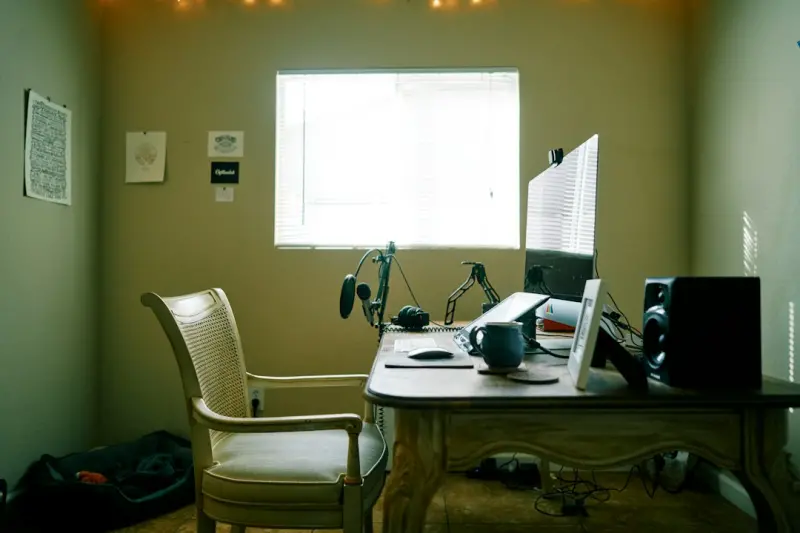
Why Your Dog Might Be the Secret Weapon in Your Home Office
Learn why a dog can become a powerful productivity partner, offering stress relief, movement breaks,... Read More
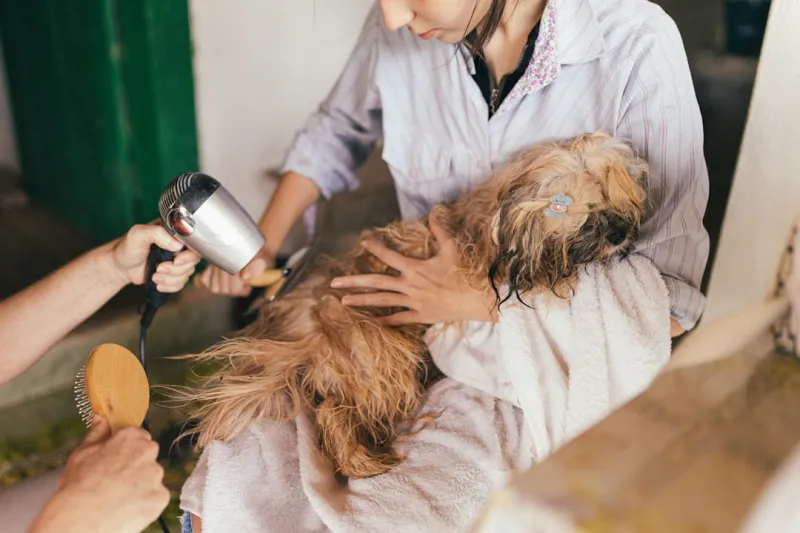
The Impact of Sustainable Living on Pet Care
As the world becomes increasingly aware of the importance of sustainable living, pet owners are look... Read More
Top Posts

Forest Bathing for Remote Workers: Boosting Creativity in the Great Outdoors
A deep dive into forest bathing for remote professionals, offering practical steps, group session ideas, and simple metrics to turn nature walks into a powerful...Read More

Digital Twins: The New Nervous System of Insurance
Digital twins are revolutionizing insurance by turning static risk models into dynamic, real‑time simulations, improving underwriting, pricing, claims handlin...Read More
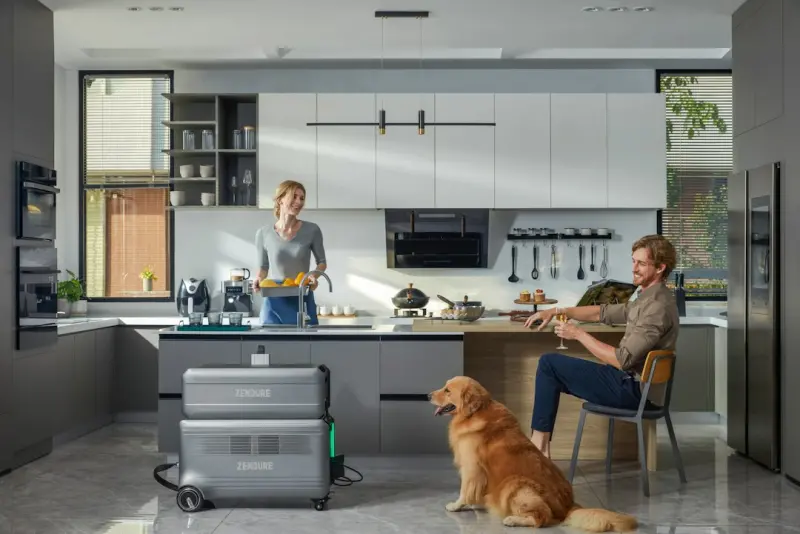
Quiet Power: Why Silent Appliances Are the Next Must-Have for Modern Work‑From‑Home Spaces
A deep dive into how quiet, AI‑enabled appliances can reduce acoustic fatigue, boost productivity, and lower energy costs for remote workers....Read More

How to Defend Your Digital Identity from Deepfake Threats
Discover actionable steps to safeguard your digital identity against deepfake attacks, from footprint audits to advanced authentication and community vigilance....Read More
0 Comments
Post Comment
You will need to Login or Register to comment on this post!