
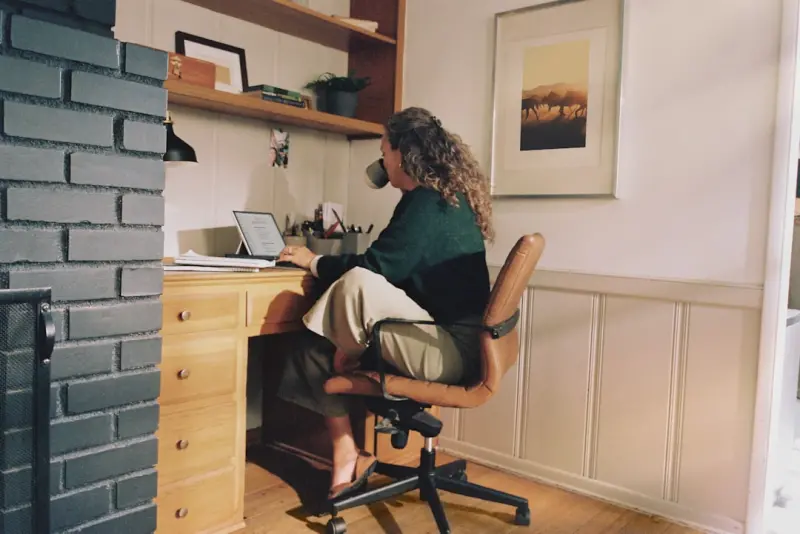
When I first moved into my downtown loft, I quickly realized that “home” was more than just a place to crash after a long day—it was the backdrop for every creative spark, work deadline, and family moment. Over the years I’ve fine‑tuned a handful of habits that transform a regular apartment into a true productivity sanctuary. Below is my step‑by‑step playbook for anyone who wants a home that fuels focus, calm, and a dash of joy without turning every surface into a tech showcase.
1. Start with Intentional Zones
Before you buy any new furniture or décor, map out the activities that dominate your life: deep work, meals, movement, and recharge. Zone‑based design isn’t about building walls; it’s about assigning visual and functional cues to each area. A sturdy desk with a simple lamp signals “focus time,” while a plush rug and low lighting whisper “unwind mode.” When you physically step into a zone, your brain automatically shifts gears.
Pro tip: Use a small rug or a contrasting paint color to delineate the work corner from the living space. Even a thin strip of cork on the floor can act as a tactile reminder that you’re entering “focus territory.” This subtle shift reduces the mental clutter that often comes from trying to multitask in an undefined space.
2. Curate Light, Not Just Brightness
Natural light is the ultimate productivity booster. Position your desk near a window, but face the light source to avoid glare on your screen. When daylight fades, invest in a tunable LED desk lamp that mimics the sun’s color temperature throughout the day—cool blue in the morning to wake you up, warm amber in the evening to wind you down.
Don’t forget ambient lighting for relaxation. A dimmable floor lamp or a string of warm bulbs creates a cozy backdrop for reading or winding down with a podcast. The key is contrast: bright task lighting when you need focus, soft ambient lighting when you need to decompress.
3. Bring the Outdoors In
Plants do more than add a splash of green; they improve air quality, lower stress hormones, and even boost creativity. Choose low‑maintenance varieties like snake plants, pothos, or ZZ plants if you’re not a green‑thumb guru. Place one on your desk for a breath of freshness, another on a windowsill for visual balance, and perhaps a taller floor plant in the living area to anchor the space.
For those who lack natural light, consider a smart grow light that adjusts intensity based on the time of day. This subtle technology integration keeps the vibe organic without turning your living room into a gadget showroom.
4. Soundscapes That Serve
Noise is the silent productivity killer. Open‑plan living can feel chaotic when a neighbor’s TV blares or traffic hums through the windows. Invest in a good pair of noise‑canceling headphones for deep work sessions, but also think about background sound. A low‑volume white‑noise machine, a gentle fountain, or a curated playlist of instrumental music can mask distracting sounds while keeping you in the flow.
When it’s time to relax, switch to nature sounds—rain, forest birds, or ocean waves. Pairing these audio cues with dim lighting creates a multi‑sensory cue that signals your brain it’s time to shift into “rest mode.”
5. Declutter With a Purpose
Clutter is more than visual chaos; it creates mental noise. Adopt the “one‑in, one‑out” rule: for every new item you bring home, donate or discard something you no longer need. Keep only items that serve a clear function or bring genuine joy. Use clear storage bins for office supplies, and label them with simple icons—this reduces the time spent hunting for pens or sticky notes.
Digital clutter matters too. Keep your laptop desktop clean, archive old emails, and organize files into a logical folder hierarchy. A tidy digital environment mirrors a tidy physical one, reinforcing a sense of control.
6. Ergonomics That Don’t Feel Like a Lecture
Most of us sit for hours at our desks, so ergonomics isn’t optional. Invest in a chair with lumbar support, an adjustable monitor stand, and a keyboard tray that keeps your wrists neutral. If a full ergonomic chair feels overkill, a simple lumbar cushion and a footrest can make a huge difference.
Take micro‑breaks every 45–60 minutes. Stand, stretch, or do a quick 30‑second desk yoga flow. Your body will thank you, and your mind will stay sharper for longer.
7. Define Tech Boundaries
While technology powers our productivity, it can also blur the line between work and home. Create a “tech curfew” for yourself: turn off work‑related notifications at a set hour, and keep your phone on “Do Not Disturb” during meals and bedtime. Use AI‑enhanced scheduling tools to batch tasks and automate reminders, freeing mental bandwidth for creative thinking.
Physical separation helps too. Keep your laptop on a dedicated desk, not on the couch or bed. When you’re done working, close the laptop, store it in a drawer, and physically leave the work zone. This ritual trains your brain to associate that area with rest.
8. Sensory Rituals for Transition
Our brains love rituals. Build simple sensory cues to signal the start or end of a work session. Light a scented candle with a calming fragrance like lavender or sandalwood when you’re winding down. Brew a cup of tea using a favorite mug as a cue that it’s “pause time.” These small, repeatable actions create a Pavlovian response that helps you transition smoothly between focus and relaxation.
Even a short meditation—just three minutes of mindful breathing—can reset your nervous system. Pair it with a gentle stretch, and you’ll notice a measurable boost in clarity and calmness.
9. Personalize Without Overloading
Finally, let your personality shine through—just don’t let décor become a visual overload. Choose a few statement pieces that mean something to you: a travel souvenir, a family photo, or a piece of art that inspires. Keep the rest neutral and functional. This balance ensures that your sanctuary feels uniquely yours without sacrificing the clean aesthetic that promotes focus.
Remember, the goal isn’t to create a sterile showroom; it’s to craft a space that supports the ebb and flow of your daily life. By layering intentional zones, lighting, greenery, sound, and rituals, you’ll turn any home into a productivity sanctuary that feels both energizing and restorative.

Lauren Miller is a true outdoors enthusiast who has found her passion in the trades. When she's not working hard on the job, you can find her writing, camping, fishing, and exploring all that nature has to offer. A dedicated partner to her wife Beth, Lauren loves nothing more than spending quality time together and experiencing the great outdoors side by side.
Related Posts
The 7 Overlooked Home Zones You Can Revamp Today
Explore seven often‑ignored areas of your home—from stairwell voids to bathroom over‑door spac... Read More

Quiet Power Hub: Low‑Tech Home Comfort Tips
A practical guide from Dale Peterson on using simple, low‑tech adjustments—airflow, lighting, so... Read More
Rethink Your Rooms: Practical Ways to Turn Every Corner into a Functional Haven
Rethink Your Rooms: Practical Ways to Turn Every Corner into a Functional Haven When I first moved ... Read More
Top Posts

Interactive Storytelling: The Next Frontier for B2B Lead Generation
Interactive storytelling transforms passive prospects into active participants, delivering richer data, higher engagement, and a stronger pipeline for B2B marke...Read More

Turning Your SaaS Toolbox into an Agile Experiment Lab
A step‑by‑step guide to re‑imagining your SaaS stack as a living lab, with practical tactics for mapping tools, sandboxing workflows, and retiring underpe...Read More

Why WordPress Site Speed Is the Secret Weapon for Modern Creators
Learn why WordPress speed matters, how to optimize Core Web Vitals, and turn performance into a competitive edge while supporting sustainability....Read More

Sensory Branding: The Hidden Engine Powering Hybrid Teams
Explore the power of sensory branding—visual, auditory, tactile, and olfactory cues—to build a cohesive brand experience for hybrid teams, boost employee en...Read More
0 Comments
Post Comment
You will need to Login or Register to comment on this post!