
Rethink Your Rooms: Practical Ways to Turn Every Corner into a Functional Haven
When I first moved into my downtown loft, I was struck by the sheer amount of unused space—dead‑ends, awkward alcoves, and that endless hallway that felt more like a runway than a living area. I quickly realized that the secret to a genuinely comfortable home isn’t just about buying the biggest couch or the flashiest décor; it’s about re‑imagining what each square foot can actually do for you. In this post, I’m sharing the strategies I’ve tested, the mistakes I’ve learned from, and the little‑but‑mighty upgrades that can transform any home, no matter its size or layout.
1. Embrace “Micro‑Zones” Instead of Whole‑Room Makeovers
The traditional approach to interior design treats a room as a monolithic entity: living room, bedroom, kitchen. But most homes have spaces that don’t fit neatly into those categories—a nook by the window, a hallway that could double as a reading corner, or a pantry that could serve as a mini‑office. I call these “micro‑zones.” By defining a purpose for each niche, you instantly boost the utility of your home without the cost of a full remodel.
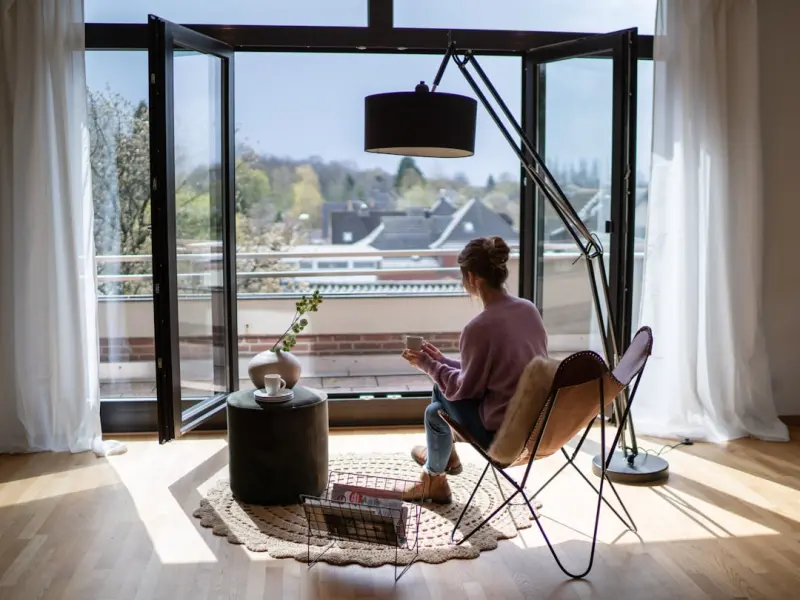
- Window Nook = Day‑time Desk: Add a narrow, height‑adjustable table, a comfortable chair, and a task lamp. The natural light will keep you alert and the space stays unobtrusive.
- Hallway Gallery = Mini‑Gym: Install a few wall‑mounted resistance bands, a fold‑down yoga mat, and a small speaker. You get a quick workout spot without sacrificing hallway width.
- Under‑Stair Storage = Hidden Pantry: Use pull‑out drawers or modular bins to store snacks, spices, or even a compact coffee station.
These micro‑zones are the foundation of a flexible home. They allow you to adapt the same area for multiple activities, a principle I’ll revisit when we discuss furniture that works double‑time.
2. Choose Furniture That Multitasks by Design
When my living room felt cramped, I swapped a bulky sofa for a sectional with hidden storage and a built‑in chaise that folds out into a guest bed. The result? A single piece of furniture that serves as seating, storage, and sleeping space. Here are my go‑to categories for dual‑purpose furniture:
- Ottomans with Secret Compartments: Store blankets, magazines, or even a portable Bluetooth speaker.
- Fold‑Down Dining Tables: Mount a sturdy, wall‑mounted table that can be tucked away when not in use, perfect for small apartments.
- Lift‑Top Coffee Tables: Elevate the tabletop for meals, work, or games, then lower it back to a coffee table height.
- Stackable Seating: Lightweight stools that can be stacked in a corner and brought out when friends visit.
Investing in these pieces may cost a bit more upfront, but the long‑term payoff in saved floor space and reduced clutter is priceless.
3. Harness Light as a Design Tool
Light isn’t just for illumination; it’s a powerful visual tool that can make rooms appear larger, cozier, or more dynamic. Here’s how I manipulate light without breaking the bank:
- Layered Lighting: Combine ambient ceiling fixtures, task lamps on work surfaces, and accent lighting (like LED strips under cabinets) to create depth.
- Mirrored Surfaces: A strategically placed mirror opposite a window reflects daylight, effectively doubling the perceived space.
- Smart Dimmers: Even if you’re not a tech geek, a simple dimmer switch lets you adjust brightness for mood, reducing the need for bulky décor items.
Speaking of tech, you might be surprised to learn that many home devices now offer energy‑saving lighting modes that adapt to your daily routine. It’s an easy upgrade that pays off in both aesthetics and utility.
4. Create Flow with Consistent Flooring
When I swapped out mismatched rugs for a continuous hardwood finish, the whole apartment felt more cohesive. Flooring is the visual “glue” that ties micro‑zones together. If you’re on a budget, consider large‑format laminate or click‑lock vinyl planks; they’re DIY‑friendly and can mimic high‑end wood or stone.
For renters, removable interlocking tiles are a game‑changer. They can be laid over existing carpet, giving you the look of a brand‑new floor that you can take with you when you move.
5. Vertical Storage: The Unsung Hero
My first mistake was filling floor space with bookshelves that only went half‑way up the wall. The solution? Go vertical. Floor‑to‑ceiling shelves not only maximize storage but also draw the eye upward, creating a sense of height. Here’s how to get it right:
- Modular Cube Systems: These can be configured as open shelving, closed cabinets, or even a room divider.
- Floating Shelves: Install a series of floating shelves at varying heights for decorative items, plants, or frequently used kitchenware.
- Hanging Racks: In the kitchen, a wall‑mounted pot rack frees cabinet space and adds a rustic touch.
When you pair vertical storage with a neutral color palette, the room feels airy despite the added storage density.
6. Integrate “Soft” Tech for Everyday Comfort
Tech doesn’t have to be intrusive. Simple additions can make daily chores smoother, freeing up mental bandwidth for the things you love. For instance, a voice‑activated smart plug can automate a lamp or a coffee maker, while a Bluetooth‑enabled thermostat learns your schedule to keep rooms at the perfect temperature without manual fiddling.
If you’re curious about how technology can blend seamlessly into home life, check out this piece on AI‑driven kitchen tools. Even if you don’t adopt a full‑scale smart kitchen, you can start with a single smart speaker to control lighting and music, turning your home into a responsive environment.
7. Declutter with Intent, Not Panic
One weekend, I tackled my entire closet using the “one‑in‑one‑out” rule: for every new item I kept, I donated one I no longer needed. It sounds simple, but the psychological impact is huge. By setting a clear rule, you avoid the endless “maybe I’ll need it later” trap that fuels clutter.
Another tactic is the “four‑box method”: label boxes as Keep, Donate, Store, Trash. As you sort, you immediately see how much space you can reclaim. The key is to be ruthless yet realistic—keep items that truly add value to your daily life.
8. Optimize Entryways for Seamless Transitions
First impressions start at the front door. A cluttered entryway can set a chaotic tone for the rest of the house. I installed a narrow console table with built‑in hooks and a shoe rack that slides underneath. It serves as a catch‑all for keys, mail, and bags while keeping shoes out of sight.
Consider adding a small bench with hidden storage for indoor shoes. This not only provides a spot to sit while you put on footwear but also keeps your floors free of muddy tracks.
9. Personalize with Low‑Cost Touches
While large furniture pieces set the foundation, personality shines through accessories. A curated gallery wall, a collection of patterned throw pillows, or a series of handcrafted ceramics can make a space feel lived‑in without overwhelming it.
To keep costs low, shop local artisans, thrift stores, or online marketplaces for unique finds. Even a simple change—like swapping out a plain lamp shade for a textured fabric—can dramatically shift a room’s vibe.
10. Seasonal Swaps that Refresh Without Renovation
Every few months, I rotate a handful of décor items to keep the space feeling fresh. In spring, I bring out light‑colored throws, fresh‑cut flowers, and bright artwork. In winter, I swap in plush blankets, scented candles, and deeper hues. This practice gives the illusion of a new home without any structural changes.
Seasonal swaps also allow you to test new color palettes or design themes before committing to bigger investments, like painting a whole wall or purchasing a new sofa.
Putting It All Together: A Sample Walk‑Through
Imagine walking into a modest two‑bedroom apartment that feels anything but cramped. Here’s how the concepts above play out:
- Entryway: A slim console with hidden drawers for mail and a wall‑mounted coat rack keeps the foyer tidy.
- Living Area: A sectional with storage ottoman anchors the room. Above, floor‑to‑ceiling floating shelves display books and plants.
- Window Nook: A fold‑down desk with a compact ergonomic chair becomes a bright workspace during the day.
- Kitchen: Open shelving replaces upper cabinets, exposing stylish dishware. A smart plug powers a coffee maker that starts brewing on your morning alarm.
- Hallway: Wall‑mounted resistance bands and a fold‑away yoga mat create a mini‑gym that’s ready for a quick stretch.
- Bedroom: A platform bed with built‑in drawers stores linens; a low‑profile dresser doubles as a vanity.
- Bathroom: Vertical towel racks and a wall‑mounted medicine cabinet free up floor space.
- Seasonal Refresh: In summer, swap out heavy blankets for light throws and add a citrus‑scented candle; in winter, bring out a chunky knit blanket and a pine‑scented diffuser.
By treating each area as a collection of micro‑zones, employing multi‑functional furniture, and integrating subtle tech, you create a home that feels spacious, organized, and uniquely yours.
Final Thoughts: Make Your Home Work for You, Not the Other Way Around
Every square foot of a home is an opportunity. The goal isn’t to cram more stuff in; it’s to design with intent, making each corner serve a purpose that aligns with your lifestyle. Whether you’re a busy professional, a remote‑work enthusiast, or simply someone who loves a tidy environment, these practical tips can help you reclaim space, boost functionality, and infuse personality without a full‑scale renovation.
Start small—pick one micro‑zone to redefine, add a piece of dual‑purpose furniture, and watch how the rest of the home naturally falls into place. Remember, the most compelling homes are those that evolve with the people who live in them.

Tyler Johnson is a seasoned freelance writer with a keen eye for detail and a passion for crafting compelling narratives. His years of experience have honed his ability to adapt his style to suit diverse client needs and project requirements.
Related Posts

Brighten Your Space: Simple Light Hacks for a Happier Home
Unlock the power of natural light with smart design tweaks that brighten rooms, cut bills, and lift ... Read More
Designing a Home Sanctuary Without Adding More Stuff
A step‑by‑step guide to declutter, use natural light, create purposeful zones, and integrate sma... Read More

Acoustic Calm: Simple DIY Solutions for a Serene Home
A practical guide to creating a quieter, more peaceful home using simple DIY projects, smart materia... Read More
Top Posts

Micro‑Adventures for Babies: Turning Everyday Moments into Early Learning
Explore fresh, low‑tech strategies—like backyard explorations, sensory play, and smart‑sensor safety—to transform everyday routines into micro‑adventu...Read More

When Parenting Feels Like a Startup: Iterating, Pivoting, and Scaling Your Family
Discover a fresh parenting approach by treating family life as a dynamic startup: build a minimum viable routine, use simple data, pivot when needed, and scale ...Read More

Rooftop Gardens: Turning City Skylines into Sustainable Oases
Explore the transformative power of rooftop gardens: lower temperatures, capture rainwater, and create urban habitats—all with a simple DIY approach....Read More

Driving the SaaS Revolution: How Intelligent Platforms Are Steering Modern Fleets
A deep dive into how predictive maintenance, resilient networking, subscription models, and AI‑driven driver experiences are turning traditional fleets into d...Read More
0 Comments
Post Comment
You will need to Login or Register to comment on this post!