
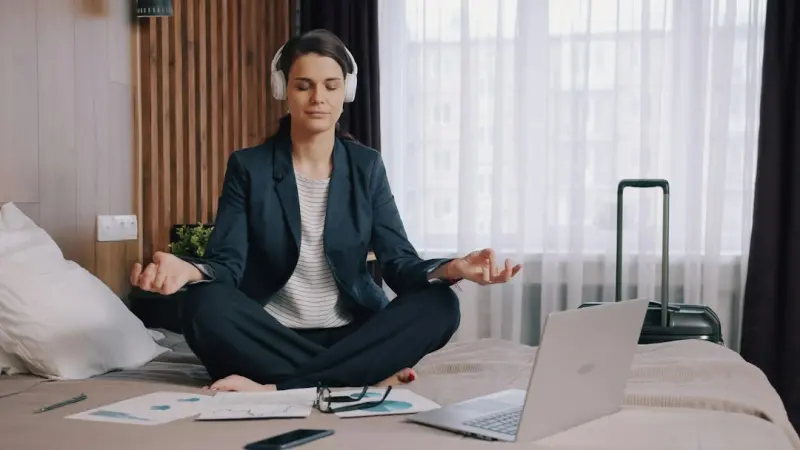
When most conversations about mental health in the tech world revolve around meditation apps, burnout workshops, or the occasional “digital detox,” I find myself staring at the same four walls, wondering why we overlook the most fundamental, biological levers that shape our mood, focus, and resilience. Light. Rhythm. Movement. They’re not just buzzwords for interior designers or fitness gurus—they’re the core ingredients of a brain that can sustain high‑velocity decision‑making without spiraling into fatigue.
The hidden cost of artificial lighting
Most of us spend the bulk of our day under fluorescent tubes or the cold glow of LED screens. These light sources are efficient, cheap, and, frankly, terrible for our circadian rhythm. The brain’s master clock, nestled in the suprachiasmatic nucleus, relies on natural light cues to regulate hormone release, body temperature, and the production of melatonin—the sleep hormone that also plays a crucial role in memory consolidation.
When we flood our eyes with blue‑rich artificial light at 9 p.m., we trick our brain into thinking it’s still daytime. The result? Delayed sleep onset, fragmented REM cycles, and a cascade of cortisol spikes that keep us on edge the next morning. Over weeks, this “social jetlag” erodes emotional regulation, reduces creative problem‑solving, and makes us hypersensitive to stressors that would otherwise be manageable.
Solution? It starts with a simple audit: map the light exposure across your typical workday. Use a smartphone app or a dedicated light meter to measure lux levels at your desk, during meetings, and in the evenings. Aim for 300–500 lux of cool, blue‑rich light in the morning to jump‑start alertness, then gradually transition to warmer tones after noon. In the evening, dim the lights, switch to amber bulbs, or use a pair of blue‑blocking glasses. The shift feels subtle, but the brain notices instantly.
Rhythm isn’t just for musicians
Human beings are rhythm‑oriented creatures. From the steady beat of a heart to the cadence of speech, we thrive on predictable cycles. Yet, the modern work schedule has become a chaotic mashup of asynchronous meetings, endless Slack pings, and deadline‑driven sprints that flatten any natural ebb and flow.
Research shows that imposing a structured rhythm on your day can dramatically improve mental stamina. The trick is to create micro‑cycles that align with our cognitive peaks and troughs. For most knowledge workers, the first two hours after waking are peak for analytical tasks, while the mid‑afternoon dip (often around 2–3 p.m.) is perfect for routine, low‑stakes work.
Design your calendar around these rhythms. Block deep‑focus windows in the morning for strategic planning or code reviews. Reserve the post‑lunch window for inbox triage, administrative chores, or even a brief walk. Then, schedule a 10‑minute “reset” ritual every 90 minutes—a stretch, a breathwork session, or a quick glance out the window. This rhythmic approach mirrors the brain’s natural ultradian cycles, preventing the mental fatigue that accumulates when we try to push through without breaks.
Movement as a neuro‑fuel
Physical activity is the most potent, non‑pharmaceutical tool for boosting mood and cognition. It’s not about carving out a full hour at the gym; it’s about weaving movement into the fabric of the workday. Even a two‑minute walk can trigger the release of brain‑derived neurotrophic factor (BDNF), which supports neuronal growth and stress resilience.
One underrated technique is the “micro‑cardio burst.” Set a timer for every 60 minutes; stand up, do 30 seconds of jumping jacks, high knees, or a brisk march in place. The surge in heart rate floods the brain with oxygen, clears lactate build‑up, and resets the autonomic nervous system. Pair this with a brief exposure to daylight—step onto a balcony or a hallway window—and you get a double dose of circadian reinforcement.
Designing the environment without adding clutter
Our surroundings shape mental health in ways we rarely consider. While the blog post designing a home sanctuary without adding more stuff explores minimalist aesthetics, the principle can be applied to a digital workspace as well. Declutter your desktop, hide unnecessary toolbar icons, and use a “focus mode” that silences non‑essential notifications.
Consider a “visual horizon” on your monitor—a clean, unobtrusive background that mimics a natural landscape. Studies show that even subtle nature imagery reduces perceived stress and improves attention span. The goal isn’t to turn your office into a forest, but to embed calming visual cues that counterbalance the high‑intensity demands of SaaS development.
The social dimension: pets and micro‑breaks
While I’m not advocating a full‑time office dog policy, the research highlighted in how a playful pet can supercharge your workday focus underscores the importance of brief, emotionally rewarding interactions. Even a quick glance at a photo of a beloved animal can trigger dopamine release, resetting the brain’s reward pathways and sharpening focus.
In a remote setting, this translates to intentional “social micro‑breaks.” Schedule a five‑minute video call with a teammate to share a non‑work anecdote, or create a virtual “pet‑show” where colleagues introduce their furry companions. These moments inject levity, foster connection, and break the monotony that fuels mental fatigue.
Building a personal “resilience stack”
Think of mental health as a stack of interlocking practices—light, rhythm, movement, environment, and social connection—each reinforcing the other. The stack becomes your personal resilience toolkit, adaptable to the ebb and flow of project deadlines, product launches, or unexpected outages.
- Morning Light Protocol: 15 minutes of natural sunlight or a light therapy box before starting work.
- Deep‑Focus Blocks: Two 90‑minute sessions for high‑cognition tasks, bracketed by micro‑breaks.
- Micro‑Cardio Bursts: 30‑second movement sprints every hour.
- Visual Horizon: Nature‑inspired desktop wallpaper and minimal UI distractions.
- Social Micro‑Breaks: 5‑minute informal video or chat check‑ins, optionally featuring pets.
Implementing the stack doesn’t require a radical overhaul. Start with one element—perhaps the morning light ritual—and layer in additional practices as they become habit. Over weeks, you’ll notice a measurable shift: sharper focus during critical sprints, reduced irritability in high‑stress meetings, and a more consistent sleep pattern.
Measuring the impact
Quantifying mental health improvements can be tricky, but there are low‑effort metrics you can track:
- Sleep Quality: Use a wearable or smartphone app to record sleep duration and latency.
- Focus Scores: Tools like RescueTime can highlight periods of deep work versus distraction.
- Stress Levels: A quick daily self‑assessment (e.g., 1–10 scale) can reveal trends.
- Productivity Outputs: Track the number of completed story points or tickets per sprint before and after implementing the stack.
When you see a correlation between better light exposure, rhythmic breaks, and improved metrics, you’ll have concrete evidence that these “low‑tech” interventions are moving the needle on mental health—far beyond what a single meditation session can achieve.
Conclusion: A sustainable mental health strategy for the modern SaaS professional
In an industry that celebrates relentless iteration, it’s easy to forget that the brain, like any other system, needs maintenance. By aligning our work environments with natural light cycles, honoring our internal rhythms, embedding movement, and fostering brief, meaningful social connections, we create a sustainable foundation for mental well‑being.
These practices are not a luxury; they are a competitive advantage. Teams that prioritize the neuro‑biological health of their members report higher creativity, lower turnover, and a more resilient culture—key ingredients for thriving in the fast‑paced SaaS landscape.

Tyler Johnson is a seasoned freelance writer with a keen eye for detail and a passion for crafting compelling narratives. His years of experience have honed his ability to adapt his style to suit diverse client needs and project requirements.
Related Posts

The Power of Structured Daydreaming for Mental Resilience in SaaS
A fresh look at mental health: learn how structured daydreaming offers a simple, science‑backed me... Read More
The Quiet Revolution: Harnessing Ambient Soundscapes for Workplace Mental Health
A deep dive into how intentional ambient soundscapes can quietly transform workplace mental health, ... Read More
Micro‑Meditation in the Remote‑Work Era: Small Breaks, Big Mental Shifts
Micro‑meditation offers a simple, science‑backed way to beat remote‑work fatigue. Learn how ti... Read More
Top Posts

Micro‑Movements: Tiny Workouts Transform Workplace Health
Micro‑movements are brief, intentional bursts of activity that fit naturally into a workday, offering physiological and mental benefits. This post explores th...Read More

Modular Mastery: Unlocking Hidden ROI in Industrial Products
Learn why modular architecture, smart sensors, and digital twins are the secret weapons industrial manufacturers need to cut costs, accelerate upgrades, and sta...Read More

When “Free” Isn’t Free: Unmasking the SaaS Trial Scam
Free SaaS trials often hide integration fees, data harvesting, and lock‑in mechanisms. This guide reveals the hidden costs and offers a step‑by‑step check...Read More
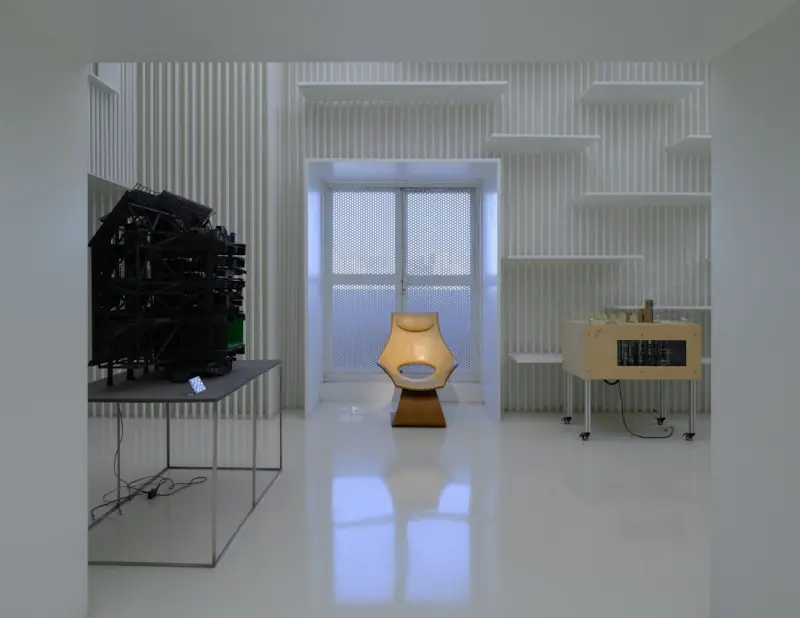
The Rise of Sensory‑Driven Spaces: Designing Interiors for Well‑Being and Focus
Discover the emerging trend of sensory‑driven interior design, where light, sound, texture, scent, and even taste are curated to create spaces that nurture we...Read More
0 Comments
Post Comment
You will need to Login or Register to comment on this post!