

The Fermented Frontier: Why Home‑Made Kombucha, Kefir, and Miso‑Infused Cocktails Are the Hottest Trend in Food & Drink
When I first heard the phrase “fermented drinks,” I pictured a dusty lab coat, a bubbling vat of mystery, and a handful of hipsters chanting “probiotic power!” Fast‑forward a few years, and that image has been replaced by a vibrant, kitchen‑sized movement that’s spilling over into bars, brunch tables, and even office happy hours. As someone who’s spent the last decade oscillating between a chef’s apron and a notebook full of flavor experiments, I’ve watched this shift from niche curiosity to mainstream must‑have with a mix of awe and a dash of salty skepticism.
Fermentation isn’t new – it’s the ancient alchemy that turned grain into beer, grapes into wine, and cabbage into sauerkraut. What is new is the way today’s food enthusiasts are applying these age‑old techniques to create drinks that are not just tasty, but also nutritionally savvy, environmentally friendly, and endlessly adaptable. Think of it as a culinary playground where science, sustainability, and storytelling collide.
From Kitchen Counter to Cocktail Bar: The Journey of a Fermented Drink
Every fermented beverage starts with three fundamental ingredients: a base (water, milk, or tea), a culture of microbes, and a sweetener or nutrient that fuels those microbes. The magic happens when you give the microbes a comfortable environment to multiply, producing acids, bubbles, and a cascade of flavor compounds. The result? A drink that’s tangy, effervescent, and packed with live bacteria that can do wonders for gut health.
What excites me most is the way home‑brew enthusiasts are pushing beyond the classic kombucha and kefir. Imagine a cocktail built on a base of miso‑infused sparkling water, garnished with a sprig of rosemary that was just harvested from your balcony garden. Or a mocktail that layers kefir, fresh‑pressed beet juice, and a splash of ginger‑lemongrass syrup for a drink that’s both Instagram‑ready and gut‑friendly.
These creations are more than just drinks; they’re narratives. They tell stories of where the ingredients came from, the microbes that made them, and the hands that crafted them. In a world that’s increasingly craving authenticity, fermented drinks give us a tangible way to connect the dots from soil to sip.
Why Fermentation Is the Sustainability Superhero We Needed
Let’s talk impact. The global beverage industry is a massive carbon emitter, from the energy needed to grow, transport, and process raw ingredients to the packaging waste that piles up in landfills. Fermentation offers a low‑energy alternative. It typically requires just a warm spot in your kitchen and a few weeks of patient waiting – no heavy machinery, no large‑scale transport, and minimal packaging if you’re brewing at home.
Moreover, many fermented drinks make use of by‑products that would otherwise be discarded. The whey left over from cheese production, for example, is a perfect substrate for kefir. Coffee grounds, once the morning ritual is over, can be repurposed to feed a kombucha SCOBY (Symbiotic Culture Of Bacteria and Yeast). By closing these loops, we’re turning waste into wonder.
If you’re interested in extending this zero‑waste philosophy beyond the glass, check out Cultivating Climate‑Smart Gardens in Small Spaces. Growing your own herbs, citrus, or even microgreens for garnish not only reduces your carbon footprint but also adds a burst of freshness that factory‑grown produce can’t match.
Health Benefits: The Probiotic Promise (And Some Caveats)
Fermented drinks are often championed for their probiotic content – live microorganisms that can support a balanced gut microbiome. A healthy gut has been linked to everything from improved digestion to enhanced mood, immune function, and even skin health. While research is still evolving, many studies suggest that regular consumption of probiotic‑rich beverages can:
- Help maintain regular bowel movements and reduce bloating.
- Support the growth of beneficial bacteria, potentially outcompeting harmful pathogens.
- Modulate inflammation, which can be a factor in chronic conditions.
- Enhance the absorption of certain nutrients, such as B‑vitamins and minerals.
But here’s the kicker: not all fermented drinks are created equal. The potency of probiotics depends on the strain of microbes, the fermentation time, and how the drink is stored. Over‑fermentation can lead to excessive acidity, making the beverage less pleasant and potentially irritating for sensitive stomachs. And while kombucha is often hailed as a miracle elixir, it can contain trace amounts of alcohol (usually under 0.5%) and sugar, which might be a concern for some.
My advice? Start small. A half‑cup of kefir or a modest glass of kombucha a day is enough to gauge how your body reacts. If you enjoy the taste and feel good, you can gradually increase your intake.
Flavor Playgrounds: Pairing Fermented Drinks with Food
Fermentation isn’t just about drinking – it’s about pairing. The acidity and effervescence of a well‑crafted kombucha can cut through rich, fatty dishes like fried chicken or creamy pasta. A mellow kefir, with its subtle tartness, pairs beautifully with spiced Middle Eastern fare, balancing the heat of cumin and coriander.
One of my favorite experiments was a miso‑sparkling cocktail paired with grilled salmon. The umami depth of miso complemented the fish’s natural richness, while the bubbles lifted the palate, making each bite feel lighter. Another memorable combo: a beet‑infused kefir served alongside a beetroot salad with goat cheese. The earthy sweetness of the drink echoed the salad, creating a harmonious loop of flavors.
If you’re looking for inspiration, Flavor Exploration is a fantastic resource for experimenting with taste pairings. While it focuses on meals, the principles apply just as well to drinks.
DIY Fermentation: Tools, Tips, and Troubleshooting
Getting started doesn’t require a PhD in microbiology, but a few basics will set you up for success:
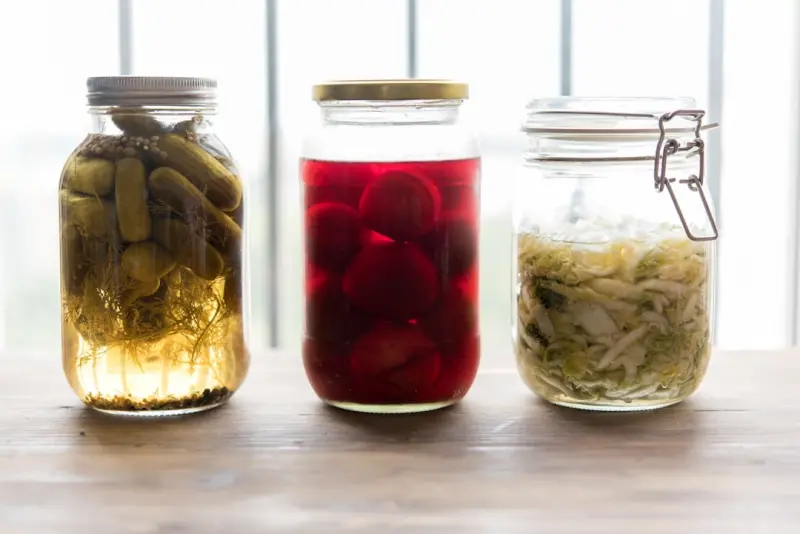
- Choose the right container. Glass jars (pint or quart) are ideal because they’re non‑reactive and allow you to see the fermentation progress. Avoid metal containers unless they’re stainless steel, as acidic drinks can corrode certain metals.
- Maintain consistent temperature. Most fermentations thrive between 68‑78°F (20‑26°C). If your kitchen is cooler, a simple insulated box or a warm spot near a radiator can do the trick.
- Cover, but don’t seal. A breathable cloth or coffee filter secured with a rubber band lets gases escape while keeping out unwanted insects and dust.
- Patience is key. Fermentation is a living process. Taste your brew every few days after the first week. When the flavor hits that sweet‑sour balance you crave, it’s ready.
- Watch for mold. A thin white film is normal (it's called the “pellicle”). If you see fuzzy green, black, or pink patches, discard the batch – it’s contaminated.
Common pitfalls include over‑sweetening (which can lead to overly alcoholic kombucha) and under‑fermenting (resulting in a bland, overly sugary drink). Adjust sugar levels gradually, and remember that the longer the fermentation, the less sugar remains, as microbes convert it into acids and CO₂.
From Homebrew to Bar Menu: Commercial Trends and Opportunities
Restaurants and cocktail bars are catching on fast. Many upscale establishments now feature a rotating “fermentation tap,” offering house‑made kombucha, kefir, and even fermented fruit sodas. This not only differentiates their beverage program but also appeals to health‑conscious diners who want something refreshing without the sugar load of traditional sodas.
For bartenders, fermented ingredients open a new world of flavor layering. A splash of beet‑kombucha can replace simple syrup in a classic margarita, adding depth and a subtle earthy note. A dash of kefir foam on top of a gin‑based cocktail introduces a tangy, creamy texture that’s both surprising and delightful.
Entrepreneurs are also launching ready‑to‑drink (RTD) fermented beverages that blend the convenience of a soda with the probiotic benefits of a home brew. These products often emphasize clean labels, low sugar, and bold flavors like ginger‑turmeric, hibiscus‑lime, or smoked applewood.
The Social Aspect: Community, Storytelling, and the Rise of Ferment Clubs
Fermentation is inherently social. The SCOBY, for example, is often shared among friends, creating a tangible connection between households. Online communities swap recipes, troubleshooting tips, and even host virtual “ferment parties” where participants brew the same recipe and compare results.
Local ferment clubs have popped up in cities across the globe, meeting in community kitchens to share batches, swap cultures, and discuss the science behind each brew. These gatherings foster a sense of belonging and democratize knowledge that once lived in the realm of professional brewers.
If you’re interested in joining a community, look for meet‑ups on platforms like Meetup or check out local farmer’s markets – many vendors now showcase their homemade fermented drinks alongside fresh produce.
Looking Ahead: The Future of Fermented Drinks
The trajectory is clear: fermentation is moving from a hobbyist corner to the mainstream of food & drink culture. Advances in microbiology are allowing us to isolate and cultivate specific strains that deliver targeted health benefits, from enhanced immunity to stress reduction. Meanwhile, AI‑driven flavor modeling (yes, the same tech that’s shaking up SaaS) is being applied to predict which microbial blends will produce the most compelling taste profiles.
Imagine a future where you order a “personalized probiotic cocktail” at a bar, and the bartender uses a handheld device that reads your gut microbiome data (with your consent, of course) to suggest a drink that not only delights your palate but also supports your unique health needs.
In the meantime, the best way to be part of this ferment revolution is to roll up your sleeves, experiment in your kitchen, and share the results with friends. The more we brew, the richer the collective knowledge becomes, and the more innovative the industry will grow.
So, grab a jar, a SCOBY, or a kefir starter, and let the bubbles rise. Your taste buds (and perhaps your gut) will thank you.

Jessica Gills is a freelance writer carving a niche for herself by empowering others through her words. With a focus on careers, self-development, and business, she helps readers navigate the complexities of the modern professional landscape.
Related Posts

The Art of Fermenting at Home: A Sensory Journey
A deep dive into home fermentation, covering essential tools, safety tips, flavor experiments, and t... Read More
Fermentation Meets Tech: Redefining Home Brewing and Kitchen Experiments
A deep dive into how sensors, predictive models, and curated ingredient boxes are turning home ferme... Read More
From Kitchen Lab to Table: The Art of Home Fermentation and Why It Matters
Discover how home fermentation blends science and mindfulness, offering flavorful, probiotic-rich fo... Read More
Top Posts

Micro‑Interest Networks: Turning Small Communities into Big Opportunities
Learn why micro‑interest groups outperform broad networking, with practical steps to build authentic, high‑impact connections that fuel career growth and co...Read More

The Future of Energy: How Technology is Revolutionizing Sustainability
The energy sector is undergoing a significant transformation, driven by innovations in renewable energy, energy storage, and smart grid management. Learn about ...Read More

Transform Your Space with Storytelling Gallery Walls
Learn to create a gallery wall that reflects your unique story, using layout planning, mixed media, and strategic lighting for a lasting home makeover....Read More
Semantic SEO: Turning Structured Data into a B2B Growth Engine
A deep dive into using schema.org markup to make SaaS products more discoverable, with actionable steps, case study results, and a 30‑day implementation plan....Read More
0 Comments
Post Comment
You will need to Login or Register to comment on this post!