
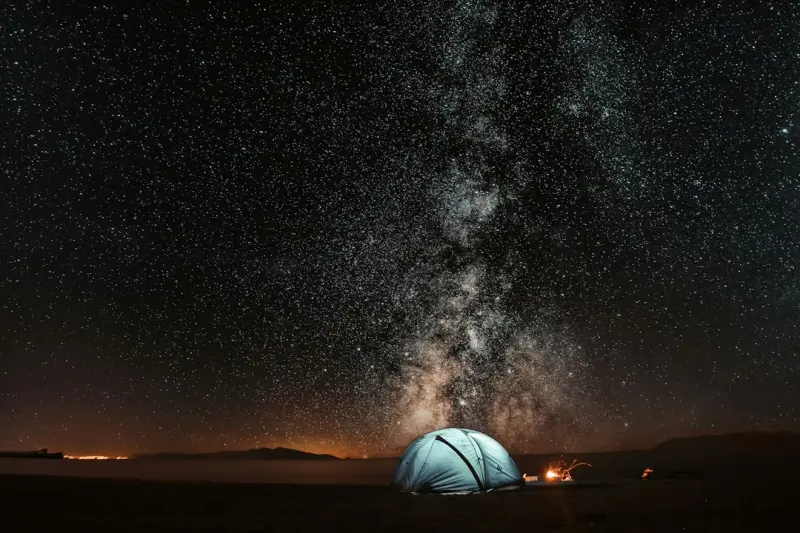
Why the Night Calls: Rediscovering the Magic of Dark‑Hour Adventures
When the sun dips below the horizon and the world softens into shadows, most of us rush indoors, scrolling through screens until the glow fades. I’ve always felt a tug at my chest when the sky turns indigo—a reminder that there’s a whole universe waiting to be explored beyond the artificial light of our homes. As someone who grew up in a bustling city, the night sky was often a distant memory, filtered through high‑rise windows and neon signs. It wasn’t until I booked a solo camping trip to a remote mountain ridge that I realized how profoundly the darkness can reset our internal compass.
The Science Behind Darkness: How Nighttime Immersion Reboots the Brain
Our bodies are wired for the rhythm of day and night. The circadian system regulates everything from hormone release to cognitive function. When we expose ourselves to natural darkness, melatonin production spikes, ushering in a state of calm that modern life rarely permits. Studies show that even a brief immersion in a starlit environment can lower cortisol levels, improve mood, and sharpen focus. In contrast, the blue light from phones and laptops suppresses melatonin, leaving us stuck in a perpetual state of alertness.
What I discovered on the trail was that the night isn’t just a backdrop—it’s an active participant in the adventure. The crisp air carries the scent of pine and earth, the rustle of nocturnal creatures becomes a soundtrack, and the sky, free from city glare, transforms into a tapestry of constellations that feel almost intimate.
Preparing for a Night‑Time Expedition: Gear, Safety, and Mindset
Venturing into the dark demands a blend of preparation and openness. Below is a checklist that helped me transition from a tentative camper to a confident night‑wanderer:
- Lighting with Purpose: Opt for a headlamp with adjustable brightness and a red light mode. Red preserves night vision better than white light.
- Warm Layers: Temperatures can drop dramatically after sunset. Pack a breathable base layer, an insulating mid‑layer, and a wind‑proof outer shell.
- Navigation Tools: While a GPS device is useful, bring a topographic map and a compass. The stars themselves serve as a natural compass if you learn to read them.
- Safe Camp Setup: Choose a flat area away from potential hazards like falling rocks. Clear the ground of debris and set up a sturdy tarp or hammock for shelter.
- Food and Hydration: Pack lightweight, high‑energy foods that don’t require extensive cooking. A thermos of herbal tea can be both soothing and a gentle way to stay warm.
- Leave No Trace: Respect the environment by packing out all waste. If you’re interested in broader sustainable practices, you might explore ideas from green cleaning routines and apply that ethos outdoors.
Stargazing 101: Turning the Sky into Your Personal Guidebook
One of the most exhilarating parts of night camping is learning to read the heavens. Here’s how I turned a simple blanket of stars into a navigation and storytelling tool:
- The North Star (Polaris): In the Northern Hemisphere, locate the Big Dipper and follow the “pointer” stars to Polaris. It’s a reliable fixed point for orientation.
- Orion’s Belt: This iconic trio of stars points directly to Sirius, the brightest star in the night sky, and also indicates the direction of the Milky Way’s core.
- Seasonal Constellations: Each season offers a unique set of constellations. Learning them not only enriches the experience but also connects you to ancient cultures that navigated by these same patterns.
Bring a small notebook to sketch the constellations you see. The act of drawing engages your mind differently than scrolling through an app, fostering a deeper sense of presence.
Nighttime Activities That Keep the Adventure Alive
Once the campfire is crackling and the stars are out, the night is far from static. Here are a few activities that I’ve found transform a simple campsite into a vibrant hub of exploration:
- Moonlit Hikes: A short trek under a full moon can reveal hidden waterfalls and nocturnal wildlife that daytime hikers rarely see.
- Sound Mapping: Close your eyes and listen. Identify the chorus of crickets, the distant hoot of an owl, or the whisper of wind through leaves. Document these sounds; they become a personal soundtrack of the night.
- Fire‑Side Storytelling: Share myths and legends tied to constellations. My favorite is the tale of the “Great Bear” used by Native American tribes to guide their migrations.
- Night Photography: Use a DSLR with a wide‑angle lens and a tripod to capture the Milky Way. Long exposures reveal details invisible to the naked eye.
- Quiet Reflection: Bring a journal for a brief meditation. The darkness naturally encourages introspection, allowing you to process thoughts without the constant buzz of daily life.
Building Community Around the Night: From Solo Trips to Shared Experiences
While I cherish solitary moments under the stars, there’s also something powerful about gathering a small group of like‑minded explorers. A night‑time camp can become a modern community hub, where ideas flow as freely as the firelight. Organize a “Starlit Skills Swap” where each participant teaches a night‑friendly skill—be it knot tying, meteor spotting, or low‑impact cooking.
These gatherings foster a sense of belonging that often feels missing in our hyper‑connected yet isolated digital lives. When you share a blanket, a story, or a piece of homemade trail mix, you’re building connections that echo far beyond the campsite.
Low‑Impact Night Camping: Protecting the Darkness for Future Generations
Darkness is a fragile resource. Light pollution from nearby towns can wash out the stars, depriving us of the night sky’s wonder. Here’s how to practice low‑impact night camping:
- Use Red Light: As mentioned, red light preserves night vision and minimizes disturbance to nocturnal wildlife.
- Choose Dark‑Sky Preserves: Seek out designated dark‑sky parks where artificial lighting is strictly controlled.
- Limit Campfire Impact: Use a portable stove whenever possible. If you do a fire, keep it small, use only dead wood, and fully extinguish it before leaving.
- Respect Wildlife: Stay on established trails, avoid feeding animals, and store food securely to prevent attracting critters.
By adopting these practices, you help preserve the night for those who will follow, ensuring that future generations can also look up and feel awe.
Integrating Night Camping Into a Busy Lifestyle
Many think that a night under the stars requires weeks of planning and a hefty time commitment. In reality, you can weave short, impactful nocturnal getaways into a packed schedule:
- Weekend Mini‑Retreats: Choose a campsite within a two‑hour drive. Set up Friday night, explore Saturday, and return Sunday.
- Pop‑Up Urban Night Skies: Some city rooftops or local parks host “star parties” where telescopes are set up for public use. Attend one and bring a blanket.
- Combine with Work: If you’re remote, try a “digital‑detox day” where you work from a cabin during daylight and switch off devices after sunset.
These bite‑size adventures keep the habit sustainable, allowing the benefits of night immersion to accumulate over time.
The Transformative Power of Darkness: Personal Reflections
My first night beneath a canopy of constellations left me with a lingering sense of humility and wonder. The silence was not empty; it was filled with the subtle heartbeat of the Earth. I returned home with a renewed appreciation for the rhythm of light and dark, and a determination to incorporate more night‑time moments into my life.
Since then, I’ve made it a point to schedule at least one night‑time camping trip each season. Each experience has taught me something new—whether it’s the patience required to wait for a shooting star or the quiet confidence that comes from navigating by the constellations alone.
If you’re reading this and feeling the pull of the night, I invite you to answer that call. Pack a small bag, find a dark spot, and let the stars remind you of the vastness that lies beyond the glow of everyday screens. The night is waiting, and it holds a thousand stories eager to be discovered.

Mei Chen is a dynamic professional who brings a unique blend of skills to Blogging Fusion. As a key contributor to the Blogging Fusion platform, she leverages her writing expertise to create engaging content that resonates with our audience.
Related Posts
Forest Bathing for the Overworked: A Modern Guide to Reconnecting with Nature
A practical guide for busy professionals on how to integrate forest bathing into daily life, coverin... Read More
Microadventures: Reimagining the Everyday Landscape for Outdoor Play
Microadventures turn everyday spaces into epic outdoor playgrounds. Learn how to design, track, and ... Read More

From Forest Floor to Kitchen Counter: Crafting Gourmet Meals with Wild Ingredients
Explore the rising trend of purposeful foraging, learn essential safety gear, master techniques to t... Read More
Top Posts
When Trust Becomes a Commodity: The Rise of AI‑Driven Scams in B2B SaaS
Scammers now wield AI to craft hyper‑personalized attacks that bypass traditional defenses. This post outlines emerging threats, real‑world case studies, an...Read More

How Vehicle‑to‑Grid Is Turning Cars Into Mini Power Plants
Vehicle‑to‑Grid (V2G) transforms parked electric cars into distributed energy assets, letting owners earn revenue while helping utilities balance supply and...Read More

The Soil Microbiome’s Secret Language: Turning Gardens into Living Labs
A deep dive into the hidden world of soil microbes reveals how gardeners can apply systems thinking, circular design, and low‑tech monitoring to build resilie...Read More

Turn Your Money Into a Workout: A Fitness‑Inspired Blueprint for Financial Strength
What if you treated your finances like a gym routine? This guide shows how simple habit stacks, data mapping, and community support can turn everyday spending i...Read More
0 Comments
Post Comment
You will need to Login or Register to comment on this post!