
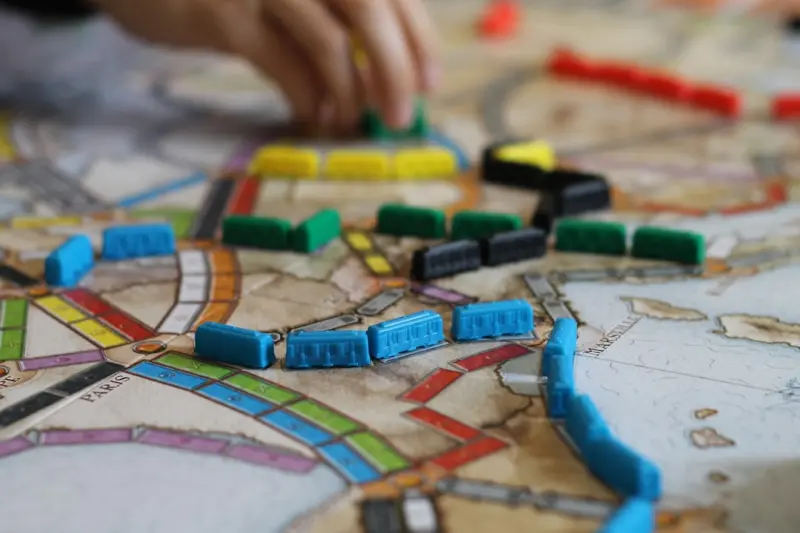
When Virtual Economies Mirror Reality
It’s a strange feeling to watch a digital marketplace fluctuate like a stock exchange while you’re sipping coffee in your living room. As someone who’s spent countless nights grinding for in‑game gold and then scrolling through actual financial news, I’ve started to see a pattern: game designers are borrowing hard‑core economics to keep us hooked. The line between the virtual and the real is blurring, and the implications go far beyond a few extra skins or a shiny new weapon.
Why Traditional Game Design No Longer Suffices
Decades ago, a game’s success hinged on level design, narrative, or the sheer fun factor. Today, a title can flop even if it nails those basics—if its internal economy feels stale or exploitative. Players have grown savvy; they recognize when a game’s currency is a thinly‑veiled cash grab versus a genuinely earned reward system. This heightened awareness forces developers to think like economists, not just storytellers.
The Anatomy of a Modern In‑Game Economy
At its core, any virtual market has three moving parts: supply, demand, and scarcity. What makes today’s games different is the way these elements are engineered:
- Dynamic Supply Chains: Instead of static loot tables, many MMOs now adjust drop rates based on real‑time player activity.
- Player‑Driven Demand: Crafting systems let players create high‑value items that can be sold on open markets, mirroring real‑world producer‑consumer dynamics.
- Artificial Scarcity: Limited‑time events and exclusive cosmetics create a sense of urgency, driving up perceived value.
This triad fuels a self‑sustaining loop that keeps economies fluid—and profitable.
Case Study: Dynamic Pricing in Battle Arenas
Some battle‑royale games have introduced AI-driven matchmaking that not only balances skill but also adjusts in‑game item prices based on player performance tiers. Imagine a high‑rank player who consistently wins; the shop nudges their cost upward for premium gear, preserving a competitive edge for lower‑rank players while still monetizing the top tier. It’s a subtle, data‑rich approach that feels almost invisible to the casual eye.
Real‑World Economic Concepts at Play
Several classic economic theories have found a new home in game design:
- Inflation: When developers flood the market with a new currency, prices rise, forcing players to spend more to retain purchasing power.
- Speculation: Players buy items they think will appreciate, creating a secondary market that can rival real‑world trading platforms.
- Opportunity Cost: Deciding whether to invest time in grinding for resources or to spend real money on a shortcut mirrors everyday financial decisions.
These concepts aren’t just academic—they directly affect how long a player stays engaged.
How immersive soundscapes Reinforce Economic Signals
Audio cues subtly reinforce market dynamics. A chime when you successfully sell an item, a low‑rumble when prices spike, or a celebratory fanfare for rare drops—all these sounds condition players to associate specific auditory feedback with economic events. This sensory reinforcement makes the virtual market feel tangible, encouraging repeat transactions.
The Rise of Player‑Run Marketplaces
Beyond the built‑in auction houses, players have built external platforms to trade items, sometimes even using blockchain technology to certify ownership. These ecosystems operate on trust, reputation scores, and escrow systems—mirroring e‑commerce sites like eBay. The result? A thriving secondary market that can outlive the game’s own lifespan, creating long‑term value for both players and developers.
Risk and Reward: The Dark Side of Virtual Finance
When real money enters the mix, so does risk. Some players have faced account bans for “gold farming” or “real‑money trading,” while others have become unwitting victims of scams. Developers must strike a balance between encouraging economic freedom and protecting their community. Transparent policies, clear terms of service, and robust anti‑fraud measures are essential.
Designing for Economic Fairness
Fairness doesn’t mean equality; it means providing each player with a viable path to success. Here are three design pillars to keep in mind:
- Accessibility: Ensure that essential items can be earned through skill, not just purchase.
- Transparency: Clearly communicate how prices are set and adjusted.
- Feedback Loops: Offer meaningful ways for players to influence the market, such as crafting unique items or hosting in‑game events.
When these principles are baked in, economies become more resilient and communities more cohesive.
What the Future Holds: Cross‑Game Economies
Imagine a world where the gold you earn in one title can be exchanged for skins in another, or where a single wallet holds assets across multiple universes. Interoperable economies are already being explored through NFTs and cross‑platform token standards. While the technology is still nascent, the groundwork is being laid by studios that view their games as part of a larger financial ecosystem.
Takeaway: Play Smarter, Not Harder
Understanding the economic engines behind your favorite games can transform your experience from a simple pastime to a strategic venture. It empowers you to make smarter decisions about time, money, and effort—whether you’re aiming for that legendary sword or simply trying to avoid a dreaded inflation spiral. The next time you log in, listen to the market’s subtle cues, watch the price trends, and remember: the same principles that guide Wall Street are now guiding the loot boxes on your screen.

Shawn DesRochers is a certified Microsoft technician and Programmer with 30+ year's experience. He has written many reviews on computer related products, software, and SEO related topics. When he's not writing reviews he can be found at one of the Oldest Directories Online Web Domain Authority which he is the CEO of.
Related Posts
AI‑Generated Indie Games: How Players Are Co‑Creating the Future of Play
Discover the AI‑driven indie gaming revolution, where creators and players collaborate in real tim... Read More

Why Procedural Generation Is the Secret Sauce Behind Modern Game Longevity
Procedural generation transforms static game worlds into endlessly fresh experiences, driving player... Read More

The Hidden Psychology of In‑Game Economies and Player Retention
Discover the unseen forces behind virtual markets, from scarcity tricks to player‑owned assets, an... Read More
Top Posts
Designing for Neurodiversity: Crafting Web Experiences That Embrace All Minds
Discover practical ways to design websites that respect neurodiverse users, balancing visual harmony, clear navigation, and adaptive technology for an inclusive...Read More

Low‑Code Mobile Apps: Accelerating Enterprise Innovation
Low‑code mobile development transforms siloed engineering into a democratized innovation engine, letting teams build secure, AI‑enhanced apps in days, not m...Read More

When Voices Lie: Defending Your SaaS Business Against Deepfake Vishing Scams
Deepfake voice phishing is a rising threat to SaaS firms. This article explains how the technology works, spot warning signs, and offers a layered defense strat...Read More

Unlocking the Power of Adaptive Workflow Tools for Modern Teams
Adaptive workflow tools transform rigid processes into living, data‑driven systems, enabling SaaS teams to cut cycle times, enhance collaboration, and stay ag...Read More
0 Comments
Post Comment
You will need to Login or Register to comment on this post!