

Industrial product strategy has always been a balance of rugged reliability and relentless innovation. In my two decades of walking factory floors and consulting with plant managers, I’ve learned that the most successful manufacturers aren’t the ones who chase the flashiest tech—they’re the ones who embed foresight into every bolt, sensor, and software patch. Today, let’s unpack three emerging shifts that are reshaping the industrial landscape and how you can harness them before the competition even notices.
The Rise of Adaptive Modular Platforms
When you think of a traditional production line, you probably picture a monolithic assembly line built for a single product. That model is crumbling under the pressure of hyper‑customized demand and rapid product cycles. The answer? adaptive modular platforms—a design philosophy that treats every piece of equipment as a Lego brick, ready to be re‑configured on the fly.
Why does this matter? Because the cost of re‑tooling a line has historically been a barrier to entry for smaller manufacturers and a headache for large enterprises alike. With modular platforms, you can swap out a robotic arm, replace a vision system, or re‑wire a conveyor in a matter of days rather than months. The result is a production floor that can pivot between a batch of high‑margin aerospace components one week and a surge of consumer electronics the next.
- Standardized mechanical interfaces: Think of universal mounting points, common power and data connectors, and interchangeable software APIs.
- Plug‑and‑play software stacks: Cloud‑based orchestration tools that recognize new hardware as soon as it’s attached and auto‑configure control loops.
- Scalable asset management: A digital twin that updates in real‑time as modules are added or removed, keeping inventory, maintenance schedules, and compliance records in sync.
Companies that have already embraced this approach report up to a 30% reduction in downtime during product switches and a 20% boost in overall equipment effectiveness (OEE). The secret sauce isn’t just the hardware; it’s the ecosystem of open standards and shared data models that let you treat every module as a first‑class citizen in your digital twin.
Predictive Maintenance Powered by Edge AI
Predictive maintenance isn’t new, but the way we collect and analyze data is undergoing a quiet revolution. Historically, sensor data would be streamed to a central server where heavy‑weight machine‑learning models churned through the numbers. That architecture introduced latency, required massive bandwidth, and left many plants with blind spots during network outages.
Enter edge AI: miniature, purpose‑built processors that sit right on the machine, crunching data in real time and only sending actionable insights to the cloud. This shift offers three compelling benefits:
- Immediate anomaly detection – Algorithms run locally can flag a vibration pattern that indicates bearing wear before it becomes audible.
- Bandwidth efficiency – Only the “interesting” events get transmitted, slashing data costs and keeping your network responsive.
- Resilience – If the plant loses internet connectivity, the edge device continues monitoring and can even trigger local shutdowns to protect equipment.
Imagine a CNC machine that learns the subtle signatures of tool wear over weeks, then autonomously schedules a replacement during the next planned maintenance window. Or a conveyor motor that predicts a bearing failure three weeks out, allowing you to order the part in advance and avoid an unplanned outage.
Implementing edge AI doesn’t require a wholesale overhaul of your plant. Start small: retrofit a critical asset with a sensor suite and an edge gateway, then expand as you see ROI. Many vendors now offer plug‑and‑play edge modules that integrate with existing PLCs, making the transition smoother than ever.
Closing the Loop: Circular Economy for Heavy Equipment
Industries that rely on massive, capital‑intensive assets—think mining, construction, and offshore drilling—are finally feeling the pressure to adopt circular economy principles. It’s not just about sustainability for the sake of PR; it’s about unlocking hidden value in the “end‑of‑life” phase of equipment.
Here’s a practical framework to start closing the loop:
- Design for disassembly – Use fasteners and modular sections that can be separated without damaging components. This makes refurbishing and part harvesting far less labor‑intensive.
- Implement a parts‑as‑a‑service model – Instead of selling a brand‑new excavator, offer a subscription that includes upgrades, maintenance, and eventual trade‑in for refurbished units.
- Leverage data‑driven lifecycle analytics – Track usage hours, operating conditions, and component wear to predict the optimal point for refurbishment versus replacement.
- Partner with reverse‑logistics specialists – These firms handle the collection, transport, and recycling of heavy equipment, ensuring that valuable metals and composites are reclaimed responsibly.
When executed well, a circular approach can shave 15‑25% off the total cost of ownership (TCO) while reducing carbon emissions—a win‑win for both the balance sheet and the planet.
Connecting the Dots: How These Trends Intersect
It might be tempting to view modular platforms, edge AI, and circular economy as separate initiatives, but the most compelling opportunities arise when they intersect.
Consider a modular excavator built with standardized, interchangeable modules. Each module is equipped with edge AI sensors that monitor its health in real time. When a component approaches the end of its useful life, the system automatically flags it for refurbishment. Because the machine is modular, swapping out the worn part is a quick, low‑cost operation, and the harvested component can be sent to a reverse‑logistics partner for reconditioning and redeployment.
In this scenario, you achieve:
- Reduced downtime – Predictive alerts prevent surprise failures.
- Lower inventory costs – Only refurbished modules need to be stocked, not brand‑new spares.
- Enhanced sustainability – Materials stay in the value chain longer, reducing waste.
The synergy between these trends is where true competitive advantage lives. By building a holistic strategy that embraces modular design, edge‑based intelligence, and circular principles, manufacturers can future‑proof their operations against market volatility, regulatory shifts, and resource constraints.
Getting Started: A Pragmatic Roadmap
Feeling overwhelmed? Break the transformation into bite‑size phases.
Phase 1: Assess & Prioritize
Conduct a thorough audit of your current asset portfolio. Identify high‑value, high‑risk equipment that would benefit most from modular upgrades or edge AI monitoring. Use a simple scoring matrix that weighs factors like downtime cost, maintenance frequency, and strategic importance.
Phase 2: Pilot Modular Retrofits
Choose a single production line or a fleet of similar machines and retrofit them with modular interfaces. Partner with a supplier that offers plug‑and‑play hardware kits and an open API for integration. Track metrics such as changeover time, OEE, and maintenance costs.
Phase 3: Deploy Edge AI Sensors
Roll out edge AI gateways on the pilot assets. Start with vibration and temperature monitoring—these are the low‑hanging fruit that deliver quick ROI. Leverage cloud platforms that support federated learning, allowing models to improve across multiple sites without compromising data sovereignty.
Phase 4: Embed Circular Practices
Establish a take‑back program for end‑of‑life modules. Work with a reverse‑logistics partner to certify that refurbished components meet your quality standards. Document the lifecycle data captured by edge devices to inform future design improvements.
Phase 5: Scale & Optimize
Once you have validated the pilot’s success, expand the approach across your entire operation. Continuously refine your digital twin models, update edge AI algorithms, and iterate on modular designs based on real‑world performance data.
Remember, transformation is a marathon, not a sprint. Celebrate incremental wins—each reduced changeover hour, each avoided failure, each refurbished part—that collectively propel you toward a more agile, resilient, and sustainable industrial future.
Looking Ahead: The Future Factory Is Already Here
When I first entered the industrial sector, the notion of a factory that could reconfigure itself at the push of a button seemed like science fiction. Today, thanks to modular hardware, edge intelligence, and circular thinking, that vision is becoming a tangible reality. The next wave of innovation will likely be driven by AI‑generated design suggestions—think generative design algorithms proposing optimal module layouts in real time—but that’s a story for another day.
For now, focus on the fundamentals: build flexibility into your hardware, empower your machines with on‑device intelligence, and keep the value of your assets circulating. The factories that master these three pillars will not only survive the inevitable market disruptions—they’ll set the standard for what industrial excellence looks like in the decades to come.
Ready to start your journey? Dive deeper into the modular mindset with Playful Engineering and explore how distributed energy solutions can power your next generation of smart factories via Microgrid Momentum.

Margaret Thomson is a seasoned freelance writer specializing in the dynamic worlds of marketing and advertising. With a career deeply rooted in the marketing field, Margaret brings a wealth of practical experience and insightful knowledge to her writing.
Related Posts
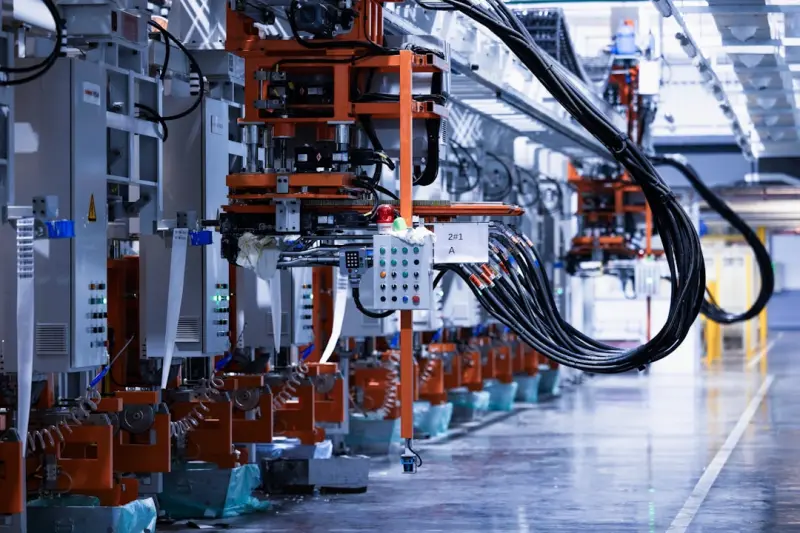
Reimagining Industrial Products Through Circular Supply Chains
A deep dive into the strategies, technologies, and cultural shifts that enable manufacturers to crea... Read More
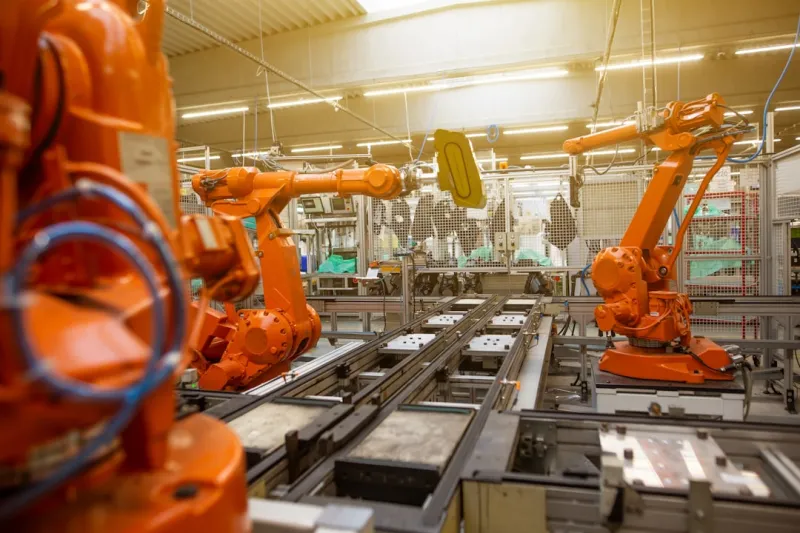
Embracing the Future of Industrial Productivity: Trends and Innovations
The industrial sector is undergoing a significant transformation, driven by technological advancemen... Read More

Human‑Centric Intelligence: How XR, Edge AI, and Zero‑Trust Are Redefining Industrial Products
A deep dive into the human‑centric shift in industrial products, covering immersive XR training, e... Read More
Top Posts

Teaching Kids About Sustainable Living: A Guide for Parents
Teaching kids about sustainable living is crucial for their future and the future of our planet. Learn how to instill good habits and values in your kids and he...Read More

Sustainable Play: Crafting Toys That Teach, Last, and Inspire
Explore the rise of sustainable, upcycled, and hybrid toys that blend imagination with environmental responsibility, offering lasting fun and learning for kids....Read More

The Future of Sustainable Living: A Holistic Approach to a Greener Tomorrow
Sustainable living is not just a trend, but a necessity. Learn how to adopt a holistic approach to sustainable living and create a greener tomorrow. Read this c...Read More

Branding in the Age of Hyper‑Tech: How to Humanize Your SaaS Narrative
Discover a fresh approach to SaaS branding that weaves brand values into product workflows, mobile touchpoints, and real‑time analytics, turning brand into a ...Read More
0 Comments
Post Comment
You will need to Login or Register to comment on this post!