
Why Audio is the Underrated Superpower in B2B Content Marketing
When I first walked into a conference hall and heard a speaker launch a micro‑podcast during a lunch break, I realized that the room’s attention shifted instantly. No slides, no charts—just a human voice, a story, and an invitation to keep listening. That moment sparked a question that still fuels my work today: what if the entire B2B content engine could be built around sound?
Most B2B teams obsess over blog frequency, SEO tweaks, and LinkedIn post calendars. Those tactics are valuable, but they all compete for the same visual bandwidth. Audio, on the other hand, lands directly in the listener’s ear, bypassing visual overload and tapping into a more intimate, conversational channel. It’s not a fad; it’s a shift in how decision‑makers consume information while they’re commuting, exercising, or even tackling a spreadsheet.
The Business Case for Going Audio‑First
Let’s break down the numbers without drowning you in spreadsheets (pun intended). A recent industry study showed that 70% of B2B professionals listen to at least one podcast per week, and the average episode length is under 30 minutes—perfect for a quick knowledge bite. Moreover, audio consumption time grows 30% year‑over‑year, meaning your voice can occupy a larger slice of a prospect’s day than a static article ever could.
- Higher Completion Rates – Listeners finish 80% of a 10‑minute podcast, whereas only about 30% of readers scroll to the end of a long‑form blog.
- Deeper Emotional Connection – Tone, pauses, and inflection convey nuance that a written word can’t replicate, fostering trust faster.
- Multi‑Tasking Friendly – Decision‑makers can absorb insights while driving, working out, or handling routine tasks, turning “dead time” into learning time.
All of this translates to a stronger top‑of‑funnel magnet and a more authentic middle‑of‑funnel nurturing experience. If your content strategy still feels like a one‑way street, adding audio is like opening a two‑lane highway.
From Idea to Execution: Building an Audio‑First Content Engine
Creating an audio ecosystem doesn’t require a full‑blown studio or a celebrity host. Here’s a practical, step‑by‑step framework that I’ve refined while leading content for a mid‑size SaaS platform.
1. Define Your Listening Personas
Just as you would map buyer personas for blog topics, chart out listening personas. Ask yourself:
- What are their daily routines? (Commute, gym, lunch break)
- Which formats do they prefer? (Short bites, interview‑style, narrative storytelling)
- What problems keep them up at night?
Document these insights in a simple table. This becomes your north star for episode length, tone, and distribution cadence.
2. Choose the Right Format Mix
Audio can take many shapes. Below are the three formats I recommend starting with, each serving a distinct stage of the buyer’s journey:
- Micro‑Insights (3‑5 minutes) – Quick, actionable tips that solve a single pain point. Ideal for weekly newsletters or LinkedIn voice notes.
- Thought‑Leadership Interviews (20‑30 minutes) – Deep dives with industry experts. Great for building authority and generating backlinks when you transcribe the episode.
- Customer Success Stories (10‑15 minutes) – Real customers narrate their journey. These human‑first narratives resonate strongly with prospects evaluating risk.
3. Leverage Existing Content as Audio Fuel
Don’t reinvent the wheel. Your high‑performing blog posts, whitepapers, and case studies are gold mines for repurposing. I take a top‑ranking blog, extract the key points, and turn it into a scripted micro‑insight. Then I record a conversational version, add a short intro/outro, and publish it as an audio snippet on the company’s blog and newsletter.
When you need fresh material, consider collaborating with product managers, support engineers, or even a sales rep who just closed a big deal. Their authentic voices add credibility and variety.
4. Production: Keep It Simple, Keep It Consistent
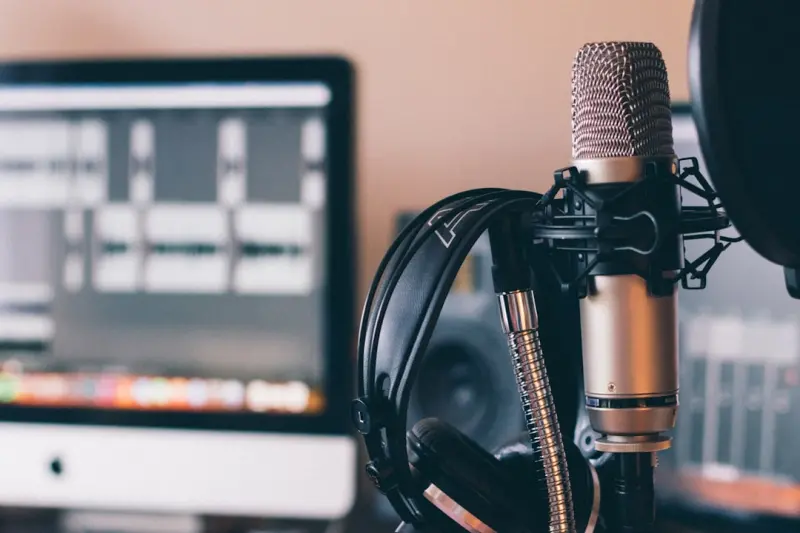
All you really need is a decent USB microphone (Blue Yeti or similar), a quiet room, and a free editing tool like Audacity. Follow these quick rules:
- Record in one take whenever possible – It preserves natural energy.
- Use a consistent intro/outro – Branding becomes subconscious.
- Normalize audio levels – No listener should have to adjust volume mid‑episode.
Once edited, export to MP3 at 128kbps and upload to your preferred host (Libsyn, Anchor, or even a private S3 bucket).
5. Distribution Channels That Amplify Reach
Audio shines when you meet the listener where they already are. Here are the channels that have worked best for me:
- Podcast Directories – Apple Podcasts, Spotify, Google Podcasts. Submitting there adds discoverability and credibility.
- Email Newsletters – Embed a
<audio>tag or a simple “Play” button. Listeners can hit play without leaving their inbox. - LinkedIn Native Audio – LinkedIn recently rolled out native audio posts. Use them for micro‑insights and watch engagement spike.
- Website Landing Pages – Pair an episode with a Strategic Content Sequencing guide to turn listeners into leads.
6. Measure, Iterate, Scale
Metrics for audio differ from text. Keep an eye on:
- Downloads/Streams – Baseline for reach.
- Listener Retention – Percentage of episode listened; a dip after 2 minutes often signals pacing issues.
- Conversion Rate – How many listeners click through to a gated resource or demo request?
Use these insights to fine‑tune episode length, guest selection, and promotion timing. Over time, you’ll build a feedback loop that continually raises the bar.
Integrating Audio with Your Existing Content Architecture
Audio shouldn’t exist in a silo. It amplifies what you already do and fills gaps where visual content falls short. Here’s how to weave it into a cohesive ecosystem:
Audio‑Enhanced Blog Posts
Every time you publish a new blog, attach an audio version. Readers who skim can listen instead, extending the time they spend on your site—a subtle SEO boost. Tools like Descript can auto‑generate a rough transcript, which you can edit for accuracy and embed alongside the article.
Audio‑First Landing Pages
Traditional landing pages rely heavily on copy and visuals. Replace a portion of the hero copy with a short, compelling audio snippet that introduces the value proposition. Pair it with a Human‑First Brand Framework to keep the messaging aligned with your broader brand story.
Interactive Voice Bots
While not a full podcast, a voice‑enabled chatbot can answer FAQs in a conversational tone. This adds a “talking” layer to your self‑service portal and reduces support tickets. Think of it as a “mini‑episode” that delivers answers on demand.
Cross‑Promote with Video
If you already have a video library, extract the audio track and repurpose it as a podcast episode. Conversely, create a short video teaser that teases the upcoming audio interview. Cross‑format promotion expands reach across platforms without creating entirely new content.
Addressing Common Concerns About Audio Content
Even after seeing the data, some leaders hesitate. Below are the top objections I hear, and why they’re not show‑stoppers.
“We don’t have a voice‑over talent.”
Authenticity trumps perfection. A real employee speaking in their natural cadence often feels more trustworthy than a polished, generic voice. If you still want a professional touch, consider hiring freelance narrators on platforms like Upwork for occasional episodes.
“Our audience prefers reading.”
It’s not an either/or scenario. Offer both formats. The audio version can act as an accessibility feature and capture those who prefer listening. Over time, you’ll see a split in consumption that informs future allocation of resources.
“Production will be too time‑consuming.”
Start small. Record one 5‑minute micro‑insight each week. With a repeatable process, the time investment drops dramatically. Remember, the biggest barrier is often just hitting “record.” Once you’ve recorded, the rest is mechanical.
Future‑Proofing Your Content Strategy with Audio
Voice assistants (think Alexa, Google Assistant) are becoming gateways to information. Imagine a prospect asking, “What’s the best way to improve my SaaS onboarding?” and your podcast episode pops up as the top answer. By building a library of high‑quality audio assets now, you position your brand to be the voice that answers those future queries.
Moreover, emerging technologies like dynamic audio ads let you tailor the spoken message based on listener data, creating a hyper‑personalized experience that static text can’t match. This is where the intersection of AI and audio will unlock new growth levers.
Takeaway Checklist
- Map listening personas and align formats to the buyer journey.
- Repurpose top‑performing written content into audio snippets.
- Invest in a reliable microphone and a simple editing workflow.
- Distribute across podcast platforms, email newsletters, and native social audio.
- Track downloads, retention, and conversion to refine your approach.
- Blend audio with existing blogs, landing pages, and video assets for maximum impact.
When you give your audience a reason to press “play,” you’re not just adding another content type—you’re opening a dialogue that can happen anywhere, anytime. In the noisy world of B2B SaaS, that conversation could be the difference between being heard and being ignored.

Jessica Gills is a freelance writer carving a niche for herself by empowering others through her words. With a focus on careers, self-development, and business, she helps readers navigate the complexities of the modern professional landscape.
Related Posts
Why Sustainable Storytelling Is the Future of Content Marketing
Michelle Fisher shares how authentic, sustainability‑centered content transforms brand trust, driv... Read More
The Evolution of Sustainable Content Marketing: A New Era for Businesses
Sustainable content marketing is a rapidly evolving field that prioritizes both people and the plane... Read More

Interactive Narratives: The Next Evolution in B2B Content Marketing
Interactive narratives turn passive B2B readers into active participants, driving higher engagement ... Read More
Top Posts

The AI‑Powered Frontier: How Indie Studios Are Crafting Living Game Worlds
Indie studios are leveraging AI and procedural generation to create living, adaptive game worlds, blending algorithmic content with human storytelling for riche...Read More

When AI Meets SEO: Real‑Time Strategies for Modern Search
AI is reshaping SEO by delivering real‑time keyword insights, dynamic content optimization, and continuous technical audits. This post explains how to blend A...Read More

Collectible Toys: The Unexpected Wellness Ritual for Grown‑Ups
Collectible toys have evolved into a quiet wellness practice for adults, offering psychological safety, community belonging, and mindful rituals that enhance me...Read More
Amplify Your Brand: Mastering Audio‑First Social Platforms
Audio‑first social platforms are reshaping brand communication. This guide explains why voice is the new frontier, outlines strategic pillars, offers a realâ€...Read More
0 Comments
Post Comment
You will need to Login or Register to comment on this post!