

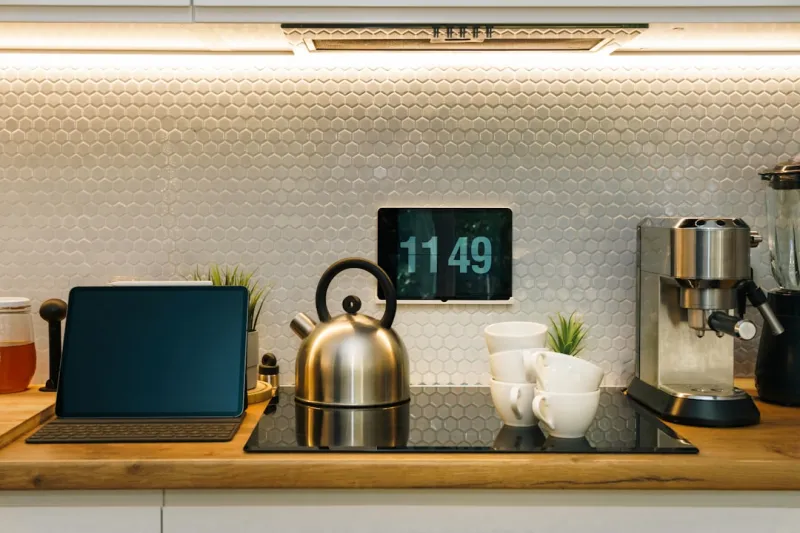
Walking into a kitchen that feels like a living dashboard is no longer a futuristic daydream. It’s happening right now, and the ripple effects are reshaping how we plan meals, manage energy, and even think about the heart of our homes. In this piece, I’ll peel back the layers of today’s most compelling appliance trends, spotlight the technology that’s powering them, and share practical ways you can future‑proof your own cooking space.
From Standalone Gadgets to Integrated Ecosystems
For decades, appliances lived in isolation: a refrigerator kept cold, a dishwasher cleaned dishes, an oven baked. Each device had its own button panel, its own schedule, and its own set of quirks. The connected kitchen paradigm flips that model on its head. Instead of treating each unit as a solitary tool, manufacturers are weaving them into a single, intelligent network that talks to you—and to each other.
Imagine this scenario: your fridge detects that you’re low on fresh herbs, sends a reminder to your phone, and automatically adjusts the temperature of the produce drawer to keep the remaining greens crisp. Simultaneously, your smart oven preheats based on a recipe you saved in the cloud, while the dishwasher syncs its cycle to start when electricity rates dip to their lowest point. This isn’t just convenience; it’s a shift toward resource‑aware living that reduces waste and trims utility bills.
Why Connectivity Matters More Than Ever
There are three core reasons that the integration of appliances is accelerating:
- Data‑centric insights: Modern appliances generate streams of usage data. When analyzed, this data reveals patterns—like the peak times you bake bread or the days you run the dishwasher. With that insight, you can fine‑tune habits for efficiency.
- Energy intelligence: Dynamic pricing models from utilities reward off‑peak consumption. Connected appliances can automatically shift heavy loads (think laundry or dishwashing) to cheaper time slots, saving money and easing grid strain.
- Seamless user experience: Voice assistants, mobile apps, and even smartwatch notifications converge to give you control without ever touching a knob.
All three pillars rely on one common denominator: a robust, secure network that can handle continuous communication without hiccups. It’s a technical challenge, but the payoff is a kitchen that feels alive and responsive.
Key Technologies Driving the Revolution
Below are the tech ingredients that make a truly connected kitchen possible:
- IoT communication protocols (Wi‑Fi, Zigbee, Thread) that keep devices linked reliably.
- Edge computing that processes data locally for instant response—think a refrigerator that instantly adjusts humidity without sending data to the cloud.
- Machine learning models that predict your needs, such as suggesting recipes based on the ingredients you have on hand.
- Secure firmware updates that protect against vulnerabilities while adding new features over time.
Manufacturers that master this stack are positioning themselves as the home’s silent conductor, orchestrating a symphony of appliances that work in harmony.
Designing for Sustainability
Connected appliances aren’t just about convenience; they’re a lever for greener living. By optimizing cycles, reducing over‑cooking, and minimizing food waste, they directly impact your household’s carbon footprint. For those looking to align technology with eco‑values, consider how manufacturers embed sustainability into their design philosophy. A great example can be found in the approach of environmentally conscious tech design, where every line of code and hardware component is evaluated for its environmental impact.
Take a smart refrigerator that monitors door openings and gently nudges you to close it faster, saving energy in real time. Or a dishwasher that tailors water usage based on load size, cutting down on both water and electricity. The cumulative effect of these small, data‑driven adjustments adds up to meaningful reductions in household emissions.
The Role of Voice and Gesture Control
While smartphone apps remain a staple, the future of appliance interaction is increasingly hands‑free. Voice assistants like Alexa, Google Assistant, and Siri now integrate with a growing catalog of appliances. You can ask, “Hey Google, set the oven to 375 degrees,” or “Alexa, start the coffee maker after my alarm.” Some high‑end models even support gesture control—wave your hand to pause a boiling pot, for instance.
This shift is more than a novelty. In bustling kitchens, having your hands free reduces the risk of burns and spills, and it streamlines multitasking. It also opens doors for accessibility, allowing users with limited mobility to operate appliances effortlessly.
Data Privacy: A Quiet, Yet Crucial, Concern
As appliances collect more data, questions about privacy naturally arise. While the conversation around privacy has dominated marketing platforms, it’s equally relevant in the home. When your fridge knows what you’re eating, that information could be valuable—both to you and to third parties. Choosing appliances from manufacturers that adopt a privacy‑first mindset is essential. Look for clear data policies, local processing capabilities, and the option to opt out of non‑essential data sharing.
Integrating Appliances Into a Broader Smart Home Strategy
To truly reap the benefits, your appliances should not exist in a vacuum. They need to talk to other smart devices—lighting, thermostats, security cameras—to create a cohesive ecosystem. For instance, your coffee maker could start brewing when the bedroom lights gradually brighten in the morning, or the oven could send a notification to your phone when preheating completes, allowing you to leave the living room for a quick jog.
When you’re mapping out a smart home rollout, treat appliances as the central hub for daily routines. Start with a voice‑enabled assistant, then layer in the most used appliances, and finally expand to ancillary devices like smart trash cans and pantry sensors.
Choosing the Right Appliances for Your Home
Not every connected appliance is created equal. Here’s a quick checklist to guide your purchases:
- Interoperability: Does the device support common standards (Matter, Zigbee, Thread) that ensure it works with your existing ecosystem?
- Security updates: Does the brand provide regular firmware patches?
- Energy‑saving features: Look for adaptive cycles, power‑off modes, and real‑time energy monitoring.
- User interface: Is the companion app intuitive? Does it offer meaningful insights rather than just raw data?
- Warranty and support: Connected devices can be more complex; robust after‑sales service is a must.
One often‑overlooked factor is how well a device integrates with flexible hardware ecosystems. For example, a refrigerator that syncs with a modular laptop’s kitchen dashboard app can provide a unified view of inventory, recipes, and grocery lists.
Maintenance in a Connected World
Traditional appliances required periodic manual checks—cleaning lint filters, defrosting, and the like. Smart appliances, however, can alert you before a problem becomes critical. Sensors detect wear on a motor, a dishwasher informs you about a clogged spray arm, and your oven notifies you of a failing heating element. Proactive maintenance not only extends the life of the appliance but also prevents unexpected breakdowns.
Additionally, many manufacturers now offer remote diagnostics. A service technician can log in (with your permission) and run tests, sometimes fixing issues without ever setting foot in your home.
Future Outlook: The Kitchen as a Service Platform
Looking ahead, the next frontier is treating the kitchen as a service platform rather than a static set of tools. Subscription models for appliances could provide upgrades, advanced AI features, or even on‑demand usage. Think of a high‑end espresso machine that you lease, receiving regular software updates that improve grind consistency or introduce new coffee profiles.
This model aligns with broader consumer trends toward access over ownership and could democratize premium technology for a wider audience.
Practical Steps to Get Started Today
If you’re ready to transition from a traditional kitchen to a connected one, here’s a roadmap you can follow:
- Audit your current setup. List existing appliances and note which are candidates for upgrades.
- Define your priorities. Is energy savings your main goal? Or perhaps convenience and voice control?
- Research standards. Look for devices that support open protocols like Matter, ensuring future compatibility.
- Start small. Begin with a single, high‑impact appliance—perhaps a smart thermostat or a connected coffee maker.
- Expand deliberately. Gradually add more devices, integrating them via a central hub or voice assistant.
- Monitor and adjust. Use the built‑in analytics to track energy usage and refine routines.
By taking a phased approach, you avoid overwhelm and can measure tangible benefits at each step.
Conclusion: Embracing the Connected Kitchen
The era of isolated appliances is ending. As kitchens become more responsive, data‑driven, and sustainable, they empower us to cook smarter, live greener, and enjoy a seamless home experience. Whether you’re a tech enthusiast eager to experiment or a homeowner looking to cut costs, the tools are now within reach. The key is to stay curious, choose wisely, and let your kitchen evolve alongside your lifestyle.
Ready to explore more about integrating technology and sustainability? Check out these related reads for deeper insights: eco‑cleaning innovations and building resilient digital ecosystems.

Amanda is a passionate writer exploring a kaleidoscope of topics from lifestyle to travel and everything in between.
Related Posts
Revolutionizing Home Appliances: How Technology is Changing the Way We Live
Technology is revolutionizing home appliances, making them smarter, more efficient, and more sustain... Read More

From Ownership to Experience: The Appliance‑as‑Service Revolution
A deep dive into the growing trend of appliance‑as‑service, its impact on consumers, sustainabil... Read More

The Kitchen’s New Co‑Pilot: AI‑Powered Appliances for Modern Workspaces
Smart fridges, AI coffee stations, and subscription‑based appliances are reshaping workplaces by t... Read More
Top Posts

When Walls Whisper: Crafting Spaces That Talk Back
This post reveals how interior design can become a dialogue, using light, texture, color, layout, and micro‑interactions to create spaces that listen, respond...Read More

The Future of PC and Laptop Technology: Sustainable Innovations to Watch
The tech industry is shifting towards sustainability, with PC and laptop manufacturers prioritizing eco-friendly design, energy efficiency, and responsible disp...Read More

Co‑Parenting Remote Learning: Practical Strategies for a Balanced Home
A comprehensive guide for co‑parents on how to create a unified, stress‑free remote learning environment through shared vision, real‑time communication, s...Read More

Behavioral Insurance: Turning Data Into Personalized Protection
Discover the rise of behavioral insurance, where continuous data from wearables, IoT, and AI transforms underwriting, pricing, and claims into a dynamic, person...Read More
0 Comments
Post Comment
You will need to Login or Register to comment on this post!