
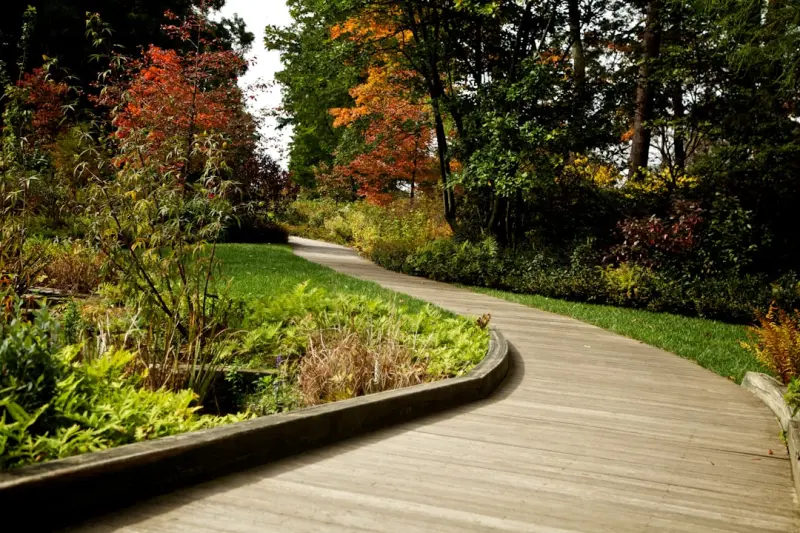
Welcome to the World of Sensory Gardening
When I first stepped onto a patch of earth with nothing but a trowel and a handful of wildflower seeds, I felt an unexpected surge of calm. It wasn’t just the act of planting; it was the promise of a space that could engage every sense, turning a simple backyard into a sanctuary for the mind, body, and spirit. That moment sparked a journey I now share with you: designing a sensory garden that heals, inspires, and reconnects us to the natural rhythms we often ignore.
Why a Sensory Garden?
Traditional gardens often focus on visual appeal—colorful blooms, structured rows, manicured lawns. A sensory garden, by contrast, embraces all five senses. It asks the question, “What does a garden feel like when you touch, smell, hear, and even taste it?” The answer is a living, breathing environment that encourages mindfulness, reduces stress, and supports mental wellbeing.
Research shows that engaging multiple senses can lower cortisol levels, improve mood, and even sharpen cognitive function. In our fast‑paced world, a garden that invites you to pause, breathe, and truly sense your surroundings becomes a therapeutic tool—a daily retreat that doesn’t cost a subscription.
Foundations: Choosing the Right Space
Before you rush to buy plants, consider the following foundational elements:
- Location & Light: Identify spots that receive a mix of sun and shade. Different plants thrive under varying conditions, and varied lighting creates dynamic visual and temperature experiences.
- Soil Health: Conduct a simple soil test (pH, texture). Healthy soil is the backbone of any garden, supporting robust growth and fragrant blooms.
- Accessibility: Ensure pathways are wide enough for easy navigation, especially if you or loved ones have mobility concerns. Raised beds can bring gardening to a comfortable height, reducing strain.
Textures: The Tactile Landscape
Touch is often the most overlooked sense in garden design. Yet, the texture underfoot or at your fingertips can anchor you in the present moment.
Here are tactile elements to weave into your garden:
- Ground Cover: Mix soft moss patches with crunchy gravel paths. The contrast invites barefoot walks and offers sensory surprise at every step.
- Leafy Foliage: Plant lamb’s ear (Stachys byzantina) for its velvety leaves, and ornamental grasses that sway and rustle, creating a subtle, soothing touch.
- Interactive Structures: Incorporate wooden benches with smooth, worn surfaces, or a water feature with smooth stones you can run your hands over.
Soundscapes: Music of the Garden
Every garden has a soundtrack, but we rarely design it intentionally. Consider these acoustic enhancers:
- Wind Chimes: Choose chimes tuned to gentle, resonant tones that blend with rustling leaves.
- Bird‑Attracting Plants: Sunflowers, coneflowers, and native berry bushes invite songbirds, turning the garden into a natural orchestra.
- Water Features: A modest fountain or a bubbling brook adds a steady, calming hum that masks urban noise.
Aroma: The Invisible Palette
Scent is a powerful memory trigger. By layering fragrant plants, you create an olfactory journey that evolves throughout the day.
Strategically place aromatic species where you spend the most time:
- Morning Breeze: Lavender and rosemary release their perfume early, offering a refreshing start.
- Midday Warmth: Jasmine and gardenias thrive in heat, filling the air with sweet, intoxicating notes.
- Evening Calm: Sweet woodruff and valerian exude soothing scents that encourage relaxation as the sun sets.
Taste: Edible Touchpoints
Why not let your garden double as a kitchen? Planting edible herbs and fruiting shrubs not only supplies fresh ingredients but also engages your palate as a sense of exploration.
- Herb Borders: Basil, mint, and thyme can line walkways, inviting you to pluck a leaf as you pass.
- Berry Bushes: Raspberries and currants offer bursts of sweetness, turning a stroll into a mini‑foraging adventure.
- Edible Flowers: Nasturtiums and violets add visual flair and a peppery or mildly sweet taste to salads.
Integrating Technology—But Keeping the Soul
While the heart of a sensory garden is organic, a few discreet tech touches can enhance care without stealing the experience. Think of a simple moisture sensor that alerts you via a gentle chime when soil needs water, or solar‑powered LED lights that highlight pathways after dusk, preserving the garden’s natural rhythm.
These tools are about support, not control. They echo the philosophy behind Connected Kitchens: technology should amplify everyday experiences, not dominate them.
Seasonal Planning: A Year‑Round Symphony
To keep the garden vibrant throughout the year, select plants that bloom or release fragrance in different seasons:
- Spring: Tulips, crocuses, and early‑blooming magnolias bring fresh colors and light scents.
- Summer: Zinnias, coneflowers, and scented geraniums sustain visual and aromatic interest.
- Fall: Asters, ornamental cabbage, and aromatic rosemary provide texture and scent as temperatures drop.
- Winter: Evergreen holly, ornamental grasses with silver plumes, and winter jasmine ensure structure and subtle fragrance even in colder months.
Mindful Maintenance: Turning Upkeep into Ritual
Garden care can become a meditative practice. Set aside a weekly “sensory hour” where you:
- Walk the perimeter, listening for birds and the wind.
- Touch each plant, noting any changes in leaf texture or moisture.
- Smell the air, observing how aromas shift with the weather.
- Harvest a few herbs or berries, tasting the fresh flavors.
- Adjust water levels or prune as needed, treating each action as a mindful gesture.
This routine not only maintains the garden’s health but also deepens your connection to it, reinforcing the therapeutic loop.
Linking the Garden to Your Workspace
Many of us spend the majority of our day inside. Bringing elements of the sensory garden indoors can extend its benefits. A small desktop herb garden, a scent diffuser with lavender oil, or a nature‑inspired art piece can remind you of the outdoor sanctuary.
In fact, the principles behind Regenerative Office Practices—creating environments that give back—can be applied at home. By cultivating a slice of garden on a windowsill, you turn a static office corner into a micro‑ecosystem that purifies air and lifts mood.
Community & Sharing: Growing Together
Gardening thrives on exchange. Consider hosting a “sensory swap” with neighbors: trade cuttings, share recipes that use garden herbs, or organize a guided walk where participants focus on a specific sense.
This collaborative spirit mirrors the power of shared experiences in other fields—when we open our gardens, we open doors to conversation, learning, and collective wellbeing.
Common Pitfalls and How to Avoid Them
Even the most enthusiastic gardeners encounter challenges. Here are a few to watch for:
- Overcrowding: Too many plants can choke airflow and light. Space beds according to mature plant size.
- Neglecting Soil Renewal: Compost annually to replenish nutrients, preventing plant fatigue.
- Ignoring Seasonal Shifts: Adjust watering frequency and pruning schedules as temperatures change.
- Forgetting Sensory Balance: A garden heavy on visual elements but lacking in scent or sound can feel one‑dimensional. Periodically review each sense’s representation.
Final Thoughts: Your Garden as a Living Wellness Tool
Creating a sensory garden is less about perfection and more about presence. Each seed you plant, each stone you place, and each aroma you cultivate is an invitation to slow down and truly feel the world around you. Over time, the garden will evolve, reflecting your own growth and changing needs.
So, roll up your sleeves, dig into the earth, and let your senses lead the way. In the gentle rustle of leaves, the soft brush of moss, the sweet scent of lavender, the melodic chirp of birds, and the burst of fresh mint on your tongue, you’ll discover a sanctuary that nurtures not just plants, but the very core of your wellbeing.

Steph Sanderson is a Toronto-based freelance writer and content creator with a clear passion: crafting compelling articles. With a dedication to clear, engaging prose and a knack for storytelling, Steph brings a wealth of experience to every project.
Related Posts
Cultivating a City‑Scale Sensory Garden: A Personal Journey
A personal account of transforming a small urban balcony into a layered sensory garden, blending ana... Read More

Cultivating Conversations: A Holistic Journey Through Soil, Water, and Wildlife
Explore a fresh, holistic gardening perspective that unites soil dialogue, compost teas, native plan... Read More

Cultivating Creative Flow: How a Backyard Garden Fuels Workplace Innovation
A garden is a living laboratory that mirrors project cycles, offers sensory inspiration, and aligns ... Read More
Top Posts

AI‑Powered Contextual Personalization: Turning Data Into Real‑Time Experiences
AI‑driven contextual personalization moves beyond static recommendations, delivering real‑time, situation‑aware experiences that boost user adoption and c...Read More

Why Player-Created Worlds Are Redefining Gaming
Player‑created worlds are transforming games from static experiences into living ecosystems, empowering creators, extending longevity, and forging fresh econo...Read More

Smart Gear, Wild Trails: The New Frontier of Outdoor Play
A deep dive into how connected devices, real‑time community insights, and AI are transforming outdoor recreation, making adventures safer, more personalized, ...Read More

Reimagining Office Clean: Plant‑Powered Protocols That Cut Waste
Learn how plant‑based enzymes, reusable refill stations, and data‑driven cleaning schedules can overhaul office cleaning, slashing waste and boosting indoor...Read More
0 Comments
Post Comment
You will need to Login or Register to comment on this post!