

When I first started rearranging my own living room, I realized I wasn’t just moving furniture—I was curating a story. Every piece, every color, every texture whispered something about who I am, where I’ve been, and where I’m headed. That revelation sparked a deeper exploration: what if we could intentionally weave our personal narratives into every corner of our homes? The result isn’t just a well‑decorated space; it’s a living museum of memory, ambition, and emotion.
Why Narrative‑Driven Décor Beats Trend‑Chasing
Trends are fickle. A pastel‑colored sofa may feel fresh today, but in six months it could look dated. Narrative‑driven décor, on the other hand, is anchored in personal meaning, making it timeless. When a piece resonates with a story—perhaps a vintage travel trunk that arrived from a road trip, or a hand‑painted ceramic you collected on a market stall—it carries an emotional weight that trends can’t eclipse.
Key advantage: Spaces that feel authentic are also more comfortable. Studies in environmental psychology show that environments reflecting personal identity boost well‑being and reduce stress. So, instead of chasing the next viral color palette, ask yourself: “What story do I want my home to tell?”
Mapping Your Home’s Narrative Landscape
Begin with a mental inventory of the moments that matter most. Write them down, sketch them, or even photograph the objects that already embody those memories.
- Milestones: First home purchase, graduation, a major career shift.
- Travel tales: Souvenirs, postcards, maps, or fabrics collected abroad.
- Family roots: Heirloom furniture, photographs, or traditional textiles.
- Future aspirations: Vision boards, inspirational books, or art that represents goals.
Once you have a list, look for patterns. Maybe you’re drawn to coastal blues because of a cherished beach vacation, or perhaps earthy tones echo a longing for nature. These patterns become the palette for your design decisions.
Choosing Objects That Speak Volumes
Every object is a potential protagonist. Here’s how to select items that amplify your story:
- Authenticity over mass production. Hand‑crafted or vintage pieces carry histories you can’t replicate.
- Function meets sentiment. A coffee table that also houses a hidden drawer for travel journals merges utility with narrative.
- Layered textures. Mix wood, metal, woven fibers, and glass to create visual depth that mirrors the complexity of a life story.
When you’re unsure about an item’s place, consider the structured daydreaming technique: spend five minutes visualizing the object in your space, allowing your subconscious to tell you if it fits.
Color as a Storytelling Tool
Colors aren’t just aesthetic choices; they’re emotional cues. Here’s a quick guide to aligning hues with chapters of your life:
- Warm reds and oranges – Passion, celebration, moments of triumph.
- Cool blues and greens – Calm, reflection, connections to water or nature.
- Soft neutrals – Grounding, stability, the canvas for other story elements.
Instead of painting an entire room a single hue, experiment with accent walls or colored accessories that highlight specific memories. A navy accent wall behind a gallery of black‑and‑white travel photos can instantly evoke a sense of wanderlust.
Integrating Technology Without Overpowering the Narrative
Modern homes often incorporate smart devices, but they don’t have to dominate the aesthetic. Use technology subtly to enhance, not distract, from your story.
For instance, a digital mood board displayed on a sleek tablet can rotate through curated images of your travels, turning a simple screen into a dynamic storytelling piece. Pair this with discreet speakers that play ambient sounds—waves for a coastal memory, city noises for an urban adventure.
Sustainable Choices That Complement Your Narrative
While personal stories guide design, sustainability ensures those stories endure. Opt for reclaimed wood, upcycled fabrics, and low‑VOC paints. Not only do these choices reduce environmental impact, but they also add layers of history to your décor.
Consider adopting eco‑friendly cleaning routines that preserve the integrity of natural materials. A gentle, plant‑based cleaner keeps reclaimed wood gleaming without stripping away its patina.
Creating Narrative Zones
Think of each room—or even each corner—as a chapter in a larger book. Here’s how to structure them:
- Entryway – Prologue. A console table with a tray of postcards, a mirror that reflects your first impression, and a small sculpture that hints at the journey within.
- Living room – Main Plot. A statement sofa paired with a gallery wall of personal photos, travel artifacts, and a coffee table that doubles as a story‑telling centerpiece.
- Kitchen – Everyday Rituals. Open shelves displaying heirloom dishware, a chalkboard for daily intentions, and a spice rack organized by flavors discovered on trips.
- Bedroom – Reflection. Soft textiles that echo a favorite vacation’s colors, a nightstand with a journal for nightly reflections, and ambient lighting that mimics sunrise.
- Home office – Aspirations. A vision board pinned above the desk, a bookshelf filled with inspirational reads, and a desk lamp that feels like a lighthouse guiding future goals.
Mixing Old and New Without Clash
The tension between vintage and contemporary can be a source of excitement when managed thoughtfully. Use contrast as a narrative device: a modern glass chandelier above an antique mahogany dresser creates a dialogue between past and present, symbolizing how you honor heritage while embracing progress.
Personalizing Textiles and Patterns
Textiles are the silent storytellers of a room. Choose fabrics that echo moments in your life:
- Travel‑inspired prints. A throw pillow featuring a map of a country you love.
- Family heirloom fabrics. Repurpose a grandmother’s quilt into cushion covers.
- Custom art. Commission a piece that incorporates a meaningful quote or date.
When mixing patterns, anchor the room with a neutral base and let one bold pattern take center stage. The rest of the room can echo that pattern’s color palette, maintaining cohesion while celebrating individuality.
The Role of Light in Storytelling
Lighting sets the mood, just as a narrator sets the tone. Use a layered approach:
- Ambient lighting – Overhead fixtures that provide general illumination.
- Task lighting – Desk lamps, reading lights that highlight personal workspaces.
- Accent lighting – Spotlights on artwork, LED strips behind shelves to emphasize treasured items.
A dimmable system lets you shift the narrative throughout the day—bright and energetic during morning routines, soft and intimate as the sun sets, mirroring the rhythm of daily life.
Seasonal Story Updates
Just as life evolves, so can your home’s story. Rotate seasonal décor to reflect new chapters. In spring, display fresh flowers and pastel accents that symbolize renewal. In autumn, bring in warm, earthy tones and textured throws that echo harvest and gratitude. These subtle shifts keep your space feeling alive without overhauling the core narrative.
DIY Projects that Deepen Connection
Hands‑on projects embed personal effort into décor, making each piece a labor of love:
- Hand‑painted wall mural. Sketch a skyline from a favorite city and turn it into a focal wall.
- Custom photo collage. Print and arrange pictures from a memorable year, framing them in a large grid.
- Reclaimed wood shelving. Build shelves using planks salvaged from an old barn, adding a plaque that notes the wood’s origin.
These projects not only personalize your space but also provide tangible reminders of moments you cherish.
Balancing Clutter and Storytelling
While more objects can mean more stories, excess can dilute impact. Adopt a curated approach:
- Display with intention. Only showcase items that truly resonate.
- Rotate displays. Store less‑frequent pieces and swap them in periodically.
- Use hidden storage. Keep everyday clutter out of sight, allowing narrative pieces to shine.
This balance ensures your home feels lived‑in but not chaotic, letting each story breathe.
Final Thoughts: Your Home as a Living Narrative
When you treat décor as a narrative canvas, your home becomes more than a backdrop—it transforms into an active participant in your life story. Each object, hue, and texture becomes a chapter that you can revisit, rewrite, and expand over time. By grounding design decisions in personal meaning, you’ll create a sanctuary that feels both timeless and deeply yours.
Ready to start your storytelling journey? Begin with a single object—a photograph, a travel souvenir, or a piece of furniture—and let it guide the rest of your design. Before you know it, the walls will echo with memories, the colors will sing of experiences, and every room will invite you to turn the page.

Jody Henderson is a passionate freelance writer, driven by a love for storytelling and a keen eye for detail. With a versatile skillset, she crafts compelling content across a variety of niches, from engaging blog posts to informative articles and persuasive marketing copy.
Related Posts

Turning Forgotten Corners Into Curated Sanctuaries
Learn to turn neglected nooks into intimate, purposeful retreats by focusing on intent, lighting, te... Read More

Designing a Sensory Sanctuary: How to Turn Your Home Into a Curated Experience
Discover how to blend color, texture, scent, and sound to craft a sensory sanctuary at home, using s... Read More
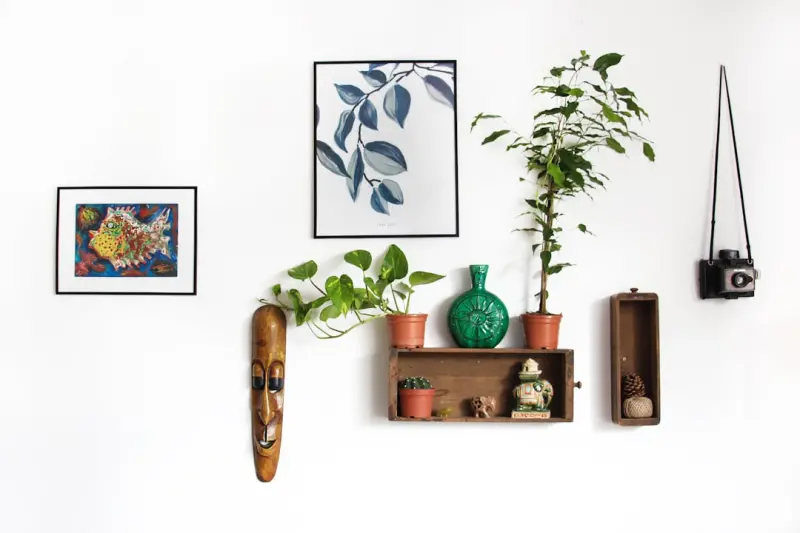
Transforming Your Home into a Storytelling Sanctuary
Explore the art of turning your living space into a storytelling sanctuary using layered textiles, p... Read More
Top Posts

Google as a Strategic Growth Engine for B2B SaaS
A fresh look at Google’s ecosystem reveals powerful, under‑utilized tools—from AI‑driven Workspace collaboration to sustainable cloud practices—that c...Read More
Transform Your Laptop into a Hybrid Work Powerhouse
Learn how to future‑proof, secure, and ergonomically optimize your laptop for hybrid work, turning it into a versatile productivity engine with simple upgrade...Read More

The Power of Family Storytelling: Raising Confident, Connected Kids
Storytelling isn’t just bedtime fun; it’s a brain‑training, empathy‑building tool that shapes confident, resilient kids. Learn practical ways to weave n...Read More

The Power of Sustainable Web Development: How WordPress Can Help You Make a Difference
As a web developer, you have the power to make a positive impact on the environment. Learn how to create sustainable websites with WordPress and join the moveme...Read More
0 Comments
Post Comment
You will need to Login or Register to comment on this post!