
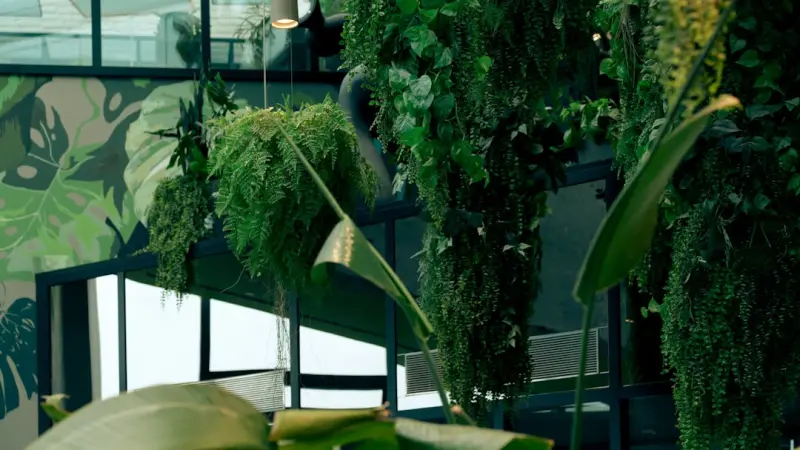
Why Biophilic Design Matters in Today’s Home Office
When the world shifted to remote work, my living room suddenly became a boardroom, a brainstorming hub, and a place to unwind after a marathon of Zoom calls. I quickly realized that a space that simply looked good on a video call wasn’t enough—it needed to feel good, too. That’s where biophilic design entered my life, offering a bridge between the sterile walls of a typical office and the calming, restorative power of nature.
The Core Principles of Biophilic Interiors
Biophilic design isn’t just about tossing a few ferns into a corner. It’s a holistic approach that weaves natural elements into architecture, décor, and everyday objects. The core ideas include:
- Visual Connection – Sightlines that bring the outdoors inside, like large windows or nature‑inspired artwork.
- Non‑Visual Connection – Sounds, scents, and textures that mimic the outdoors, such as a water feature or a wooden desk.
- Place‑Based Relationships – Using local flora, materials, and cultural motifs to root the space in its geographic context.
When these elements work together, they trigger the brain’s innate affinity for nature, reducing stress, sharpening focus, and even boosting creativity.
Choosing the Right Plants for Productivity
Not all greenery is created equal. Some plants are true powerhouses for indoor air quality, while others are low‑maintenance companions perfect for busy professionals.
- Snake Plant (Sansevieria) – Thrives on neglect and filters toxins at night.
- ZZ Plant (Zamioculcas zamiifolia) – Tolerates low light, making it ideal for corners behind a desk.
- Peace Lily (Spathiphyllum) – Beautiful white blooms that also absorb formaldehyde.
When arranging plants, think vertically: a tall fiddle‑leaf fig can become a living room focal point, while a series of small succulents line the edge of a bookshelf for a subtle touch.
Lighting: Harnessing Natural and Artificial Light
Natural daylight is the crown jewel of biophilic design. Position your primary workspace near a window, and consider using sheer curtains that diffuse harsh glare while preserving the sun’s energizing qualities. For evenings, choose full‑spectrum LED lamps that mimic the color temperature of daylight, keeping your circadian rhythm in sync.
Don’t forget the mood‑setting power of accent lighting. A warm‑glow floor lamp placed near a reading nook can replicate the golden hour, fostering a relaxed yet alert mindset.
Materials That Speak Earth
Replacing glossy, synthetic finishes with natural textures instantly grounds a room. Here are some sustainable choices:
- Reclaimed Wood – A reclaimed pine desk adds character and a story of renewal.
- Cork Flooring – Soft underfoot, sound‑absorbing, and harvested without harming trees.
- Stone Accents – A marble countertop or a slate backsplash brings durability and tactile richness.
These materials don’t just look good; they also reduce the carbon footprint of your interior remodel—a point I love to bring up when discussing the energy‑as‑a‑service model for sustainable building upgrades.
Smart Tech Meets Green Aesthetic
Integrating technology doesn’t have to clash with a nature‑centric vibe. In fact, smart solutions can enhance the biophilic experience:
- Automated Blinds – Program them to open with sunrise, ensuring you get that vital burst of natural light.
- Smart Thermostats – Keep the indoor climate comfortable while optimizing energy use, echoing the efficiency principles of modern SaaS platforms.
- Air Quality Sensors – Monitor CO₂ and VOC levels, prompting you to ventilate or adjust plant placement.
These tools create a seamless loop where technology supports the health benefits of nature, rather than dominating the visual landscape.
Designing for Mental Clarity and Focus
Beyond aesthetics, biophilic interiors actively influence cognitive performance. Studies show that exposure to natural elements can improve concentration by up to 20 % and reduce mental fatigue.
To capitalize on this, incorporate “focus zones” within your office:
- Primary Workstation – Position near a window, with a plant at eye level to create a gentle visual anchor.
- Secondary “Thinking” Area – A cozy armchair beside a small indoor water fountain, perfect for brainstorming or reading.
- Movement Space – A clear floor area that encourages brief stretches or yoga, reinforcing the body‑mind connection.
When you need a quick mental reset, simply step from the desk to the water feature and let the rhythmic sound cue a shift in focus.
Case Study: Transforming a 150‑Sq‑Ft Apartment
I recently helped a client reimagine a compact studio that doubled as a home office. The challenge? Preserve limited square footage while injecting nature.
Steps we took:
- Installed a floor‑to‑ceiling sliding glass door that opened onto a balcony garden, instantly flooding the interior with daylight.
- Selected a wall‑mounted, reclaimed‑wood desk to free up floor space.
- Mounted vertical planters on the unused side wall, creating a living “green wall” that served as both a backdrop for video calls and a natural air filter.
- Added a low‑profile LED panel with adjustable color temperature, linked to a smart hub for automated sunrise/sunset simulation.
The result? The client reported a noticeable lift in mood, a clearer distinction between work and leisure zones, and a 30 % increase in daily productivity. It’s a perfect example of how biophilic design scales—from sprawling lofts to tiny city apartments.
Common Pitfalls and How to Avoid Them
Even with the best intentions, some design choices can undermine the benefits of biophilic interiors:
- Overcrowding with Plants – Too many foliage can become visual noise. Stick to a balanced ratio: one statement plant per 50 sq ft.
- Neglecting Maintenance – Dead leaves negate air‑purifying benefits. Choose hardy species and schedule monthly care.
- Ignoring Light Quality – Dark corners become mold‑friendly zones. Ensure every plant receives appropriate light, either natural or supplemental.
Putting It All Together: A Quick Starter Checklist
- Audit your space: identify windows, wall space, and existing furniture.
- Pick three natural elements to introduce: a plant, a material, and a light source.
- Integrate one smart device that supports those elements (e.g., automated blinds).
- Arrange a “focus zone” within sight lines of your chosen natural features.
- Schedule quarterly reviews to adjust plant health, lighting, and layout.
For a deeper dive into how a simplified environment can boost overall well‑being, you might also read more about creating a streamlined living environment. The principles overlap, but the biophilic lens adds a layer of vitality that pure decluttering can’t achieve.
Looking Ahead: The Future of Biophilic Workspaces
The next wave of interior design will likely merge biophilic concepts with advanced building‑performance analytics. Imagine a workspace that automatically adjusts humidity based on plant needs, or a wall that changes its texture to simulate seasonal shifts. As the industry leans into future‑proof connectivity, designers will have unprecedented data to fine‑tune the harmony between human, technology, and nature.
Until then, start small, stay intentional, and let nature be the silent partner that fuels your most creative work.

Steph Sanderson is a Toronto-based freelance writer and content creator with a clear passion: crafting compelling articles. With a dedication to clear, engaging prose and a knack for storytelling, Steph brings a wealth of experience to every project.
Related Posts
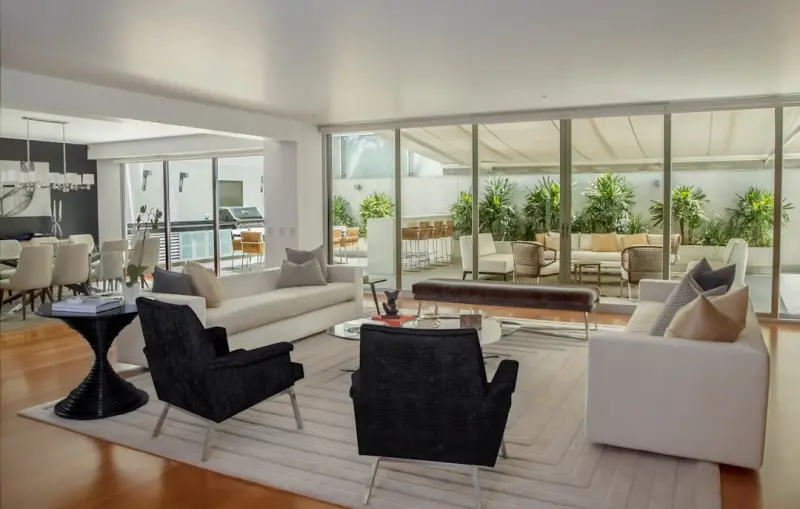
Designing Adaptive Multi‑Use Rooms for Modern Living
Discover practical strategies to transform a single room into a versatile haven for work, entertainm... Read More
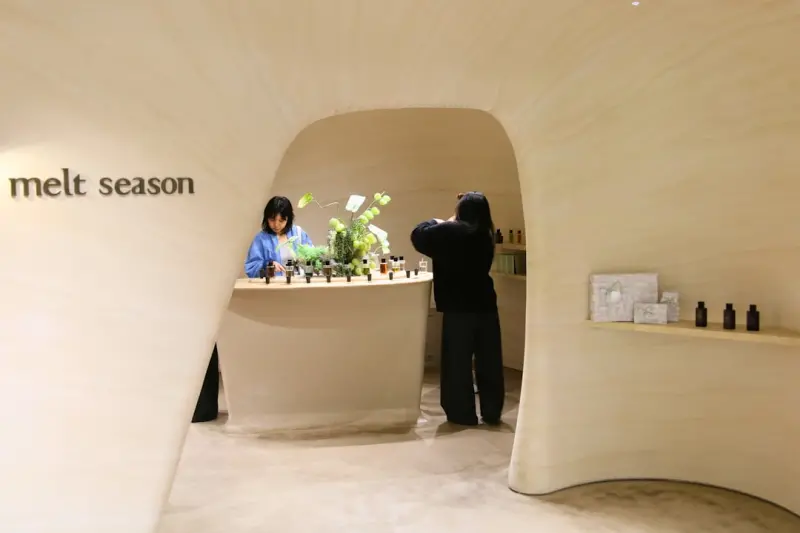
Designing for the Senses: A Multi‑Sensory Approach to Interior Spaces
A deep dive into multi‑sensory interior design, showing how strategic use of sound, scent, texture... Read More
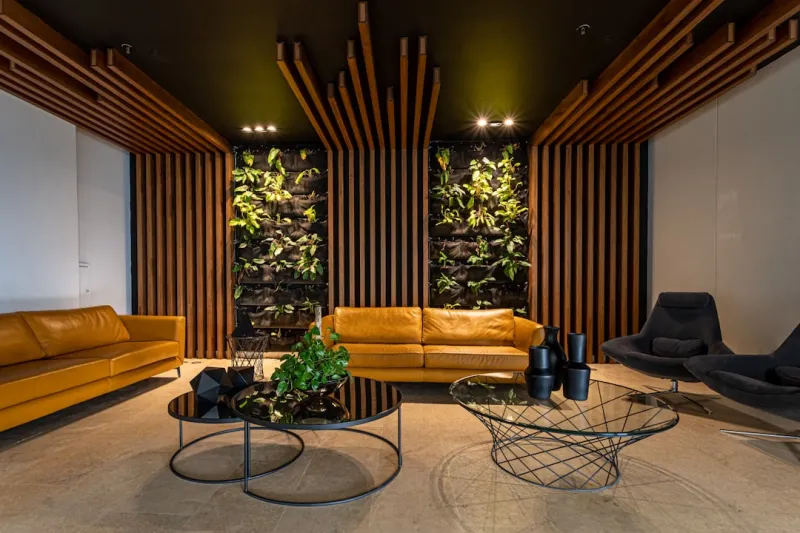
The Intersection of Interior Design and Sustainability: A New Era for Homes
The interior design industry is embracing sustainability, and for good reason. Learn how sustainable... Read More
Top Posts

When the Scam Game Gets Personal: Turning Fraud Into a Competitive Edge
Modern scams exploit trust, urgency, and AI to breach B2B operations. This post reveals the psychology behind these attacks, real‑world case studies, and a pl...Read More

Designing a Safety‑First Culture for SaaS Products
A safety‑first mindset transforms risk management into a competitive edge. This post outlines a practical framework—starting at ideation, fostering cross‑...Read More

Cultivating Climate‑Smart Gardens in Small Spaces
Learn how to transform limited urban spaces into thriving, climate‑smart gardens using native plants, rain gardens, soil-building techniques, and simple tech ...Read More

Beyond Clicks: How Attribution Modeling is Re‑Engineering Search Engine Marketing
A deep dive into multi‑touch attribution for search engine marketing, showing how shifting from last‑click to data‑driven models unlocks hidden ROI, guide...Read More
0 Comments
Post Comment
You will need to Login or Register to comment on this post!