

When you walk through a school hallway today, you’ll hear more than locker chatter and cafeteria gossip—you’ll hear the hum of a DSLR, the click of a beat‑making app, and the rustle of storyboard sketches. The kid‑centric media landscape has flipped from passive consumption to active creation, and it’s happening faster than any textbook could predict.
From Playlists to Playbooks: The New Creative Economy for Youth
In the past, teenagers were primarily the audience for music videos, memes, and short‑form clips. Now they’re the producers, curating playlists, editing videos, and even launching micro‑brands on platforms that were once the domain of seasoned marketers. This shift is more than a hobby; it’s an emerging economy where a well‑crafted TikTok or a polished YouTube series can attract sponsorships, merch sales, and even licensing deals.
What fuels this transformation? Three forces intersect:
- Accessible technology. A smartphone equipped with a high‑resolution camera and a suite of free editing tools puts a mini‑production studio in every pocket.
- Platform democratization. Algorithms now reward originality and engagement over follower count, giving newcomers a realistic shot at virality.
- Community feedback loops. Real‑time comments, duets, and remix culture let creators iterate instantly, sharpening their craft with each post.
Toolkits That Empower Young Storytellers
Parents often wonder which apps are worth the family’s bandwidth. Below is a quick‑start kit that balances power with safety:
- Video editing:Clip‑It (free) offers multi‑track timelines and AI‑driven auto‑cut features that make raw footage feel cinematic.
- Audio production:BeatBox Mini turns a tablet into a portable studio, complete with royalty‑free loops and a simple drag‑and‑drop interface.
- Graphic design:SketchPad Pro gives teens a vector‑based canvas that syncs with cloud storage, perfect for logo creation and merch mockups.
- Collaboration:Co‑Create is a cloud‑based whiteboard where friends can sketch storyboards, annotate scripts, and vote on concepts in real time.
These tools aren’t just for fun—they teach foundational skills in media literacy, project management, and digital ethics.
Learning by Doing: Real Skills Hidden in Creative Play
When a teenager scripts a short film, they’re secretly practicing:
- Story structure. Plot arcs, character development, and pacing translate directly to persuasive writing and public speaking.
- Technical fluency. Navigating timelines, color correction, and audio mixing builds a comfort with software that’s transferable to future careers in design, marketing, or tech.
- Data awareness. Watching view‑count trends teaches basic analytics, a skill that even enterprises cherish. For families concerned about privacy, it’s a teachable moment. The Data‑Driven, Human‑First Playbook offers a roadmap for safeguarding young creators while they explore metrics responsibly.
Balancing Creative Freedom with Safety Nets
Empowerment doesn’t mean abandoning oversight. The digital playground is riddled with pitfalls—copyright claims, cyberbullying, and the ever‑looming specter of data misuse. Parents can establish a “creative contract” that outlines:
- Content boundaries. Define topics that are off‑limits and discuss how to handle controversial subjects.
- Privacy settings. Walk through platform privacy menus together, ensuring default profiles are set to “friends only” until the teen feels ready for broader exposure.
- Monetization limits. If a channel starts earning, set clear expectations about reinvestment, tax implications, and how earnings are allocated (e.g., savings, education funds, charitable donations).
These conversations echo the principles found in the Subscription Parenting Playbook, which advocates for intentional, streamlined family systems that support growth without overwhelm.
Case Study: A 14‑Year‑Old’s Rise from Bedroom Studio to Brand Partner
Meet Maya, a sophomore from Denver who started filming “DIY science hacks” for fun. Within six months, her channel hit 200,000 subscribers, and a small eco‑product company approached her for a partnership. Here’s how she navigated the journey:
- Authenticity first. Maya never pretended to be an expert; she disclosed her sources and encouraged viewers to experiment responsibly.
- Consistent schedule. She released a new video every Thursday, building audience anticipation.
- Community engagement. By replying to comments and featuring fan‑submitted ideas, she turned viewers into collaborators.
- Strategic sponsorship. She negotiated a revenue‑share model that paid her a percentage of each sale generated through her unique promo code.
Maya’s story illustrates that with the right tools, a clear ethic, and family support, a teen can transition from hobbyist to micro‑entrepreneur without sacrificing school or social life.
Future‑Proofing: Preparing Kids for the Next Wave of Media
The next frontier isn’t just video or audio—it's immersive experiences. Augmented reality (AR) filters, interactive podcasts, and mixed‑reality storytelling are on the horizon. While the hardware may still be pricey, many platforms now let creators prototype AR effects using just a phone camera.
Encouraging kids to experiment with these emerging formats now gives them a head start. Schools are beginning to integrate “media labs” into curricula, and community centers are offering after‑school AR workshops. By fostering curiosity early, we equip the next generation to shape not only content but the very platforms on which it lives.
Action Steps for Parents, Educators, and Mentors
Ready to support the budding creator in your life? Here’s a concise checklist:
- Audit the tech. Ensure devices are updated, and install reputable parental controls that can be toggled as trust grows.
- Curate resources. Provide a list of age‑appropriate editing apps, royalty‑free music libraries, and tutorial channels.
- Set goals. Help the teen define what success looks like—whether it’s mastering a skill, building a portfolio, or simply having fun.
- Celebrate milestones. Publicly recognize achievements, be it a new subscriber milestone or a polished final edit.
- Model responsible media use. Share your own process for fact‑checking, crediting sources, and handling negative feedback.
Conclusion: The Creative Renaissance Is Here
Kids and teens are no longer passive consumers of media; they are the architects of tomorrow’s cultural landscape. By providing the right tools, setting thoughtful boundaries, and encouraging an entrepreneurial mindset, adults can turn the bedroom studio into a launchpad for lifelong skills. The era of kid‑driven content creation isn’t a fleeting trend—it’s a fundamental shift that will redefine how we communicate, learn, and innovate for generations to come.

Paul Flynn is a versatile freelance writer equipped with a diverse skillset and a portfolio that reflects his wide-ranging interests and expertise. From crafting compelling website copy and engaging blog posts to delivering in-depth articles and meticulously researched reports, Flynn demonstrates a remarkable ability to adapt his writing style to suit various audiences and purposes.
Related Posts
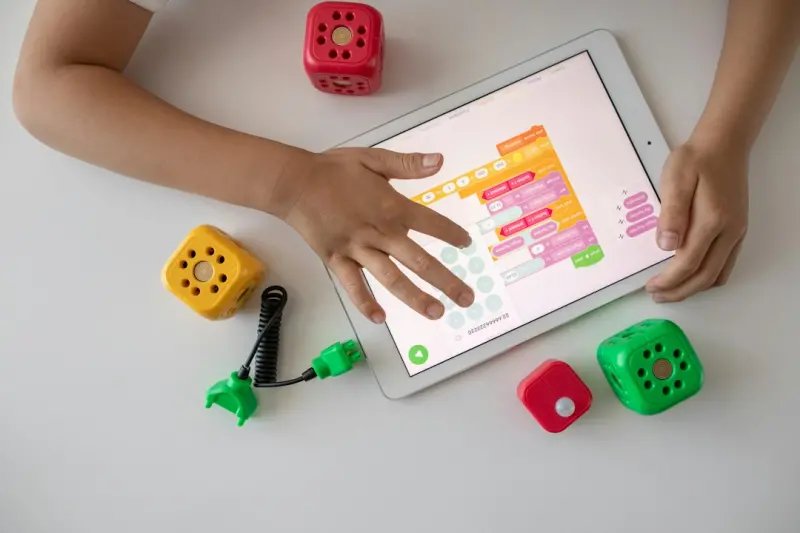
When Kids Become Digital Storytellers: A New Wave of Creative Confidence
Kids are turning everyday moments into captivating digital narratives, merging play with purpose. Th... Read More

Digital Mentorship: Empowering Kids and Teens to Learn, Grow, and Connect Online
Explore the rise of digital mentorship for kids and teens, learn how to choose safe platforms, and s... Read More

The Rise of Kid‑Led Innovation Labs: How Teens Are Shaping the Future of Learning
A deep dive into how middle‑school maker labs are evolving into teen‑run innovation hubs, turnin... Read More
Top Posts

Smartphone Strategy: Turning Your Next Upgrade into a Business Advantage
A deep dive into why the next smartphone upgrade should be viewed as a strategic asset—covering battery management, security, data telemetry, sustainability, ...Read More
Zero‑Click Search: Turning SERP Answers into SaaS Leads
Zero‑click search is reshaping how B2B SaaS companies generate leads. This post shows how to use structured data, snippet‑friendly content, and ABM tactics ...Read More
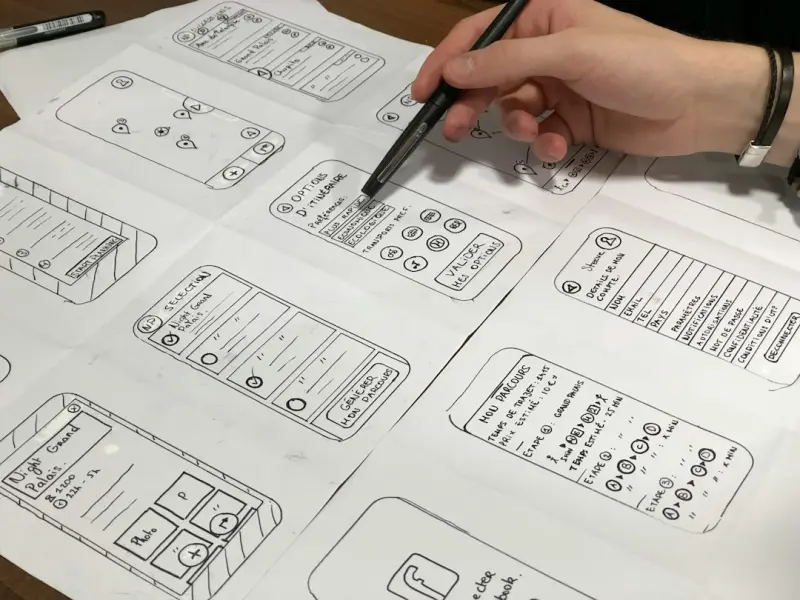
Beyond Push: Designing Context‑Aware Mobile Experiences
Push notifications are losing their edge; the future lies in mobile apps that intelligently respond to real‑time context, delivering personalized experiences ...Read More

Sustainable Chic: How Modern Interior Design Marries Style and Eco‑Conscious Living
Explore how today’s interior design fuses sustainable materials, green tech, and biophilic elements to create stylish, eco‑friendly spaces that reflect pers...Read More
0 Comments
Post Comment
You will need to Login or Register to comment on this post!