
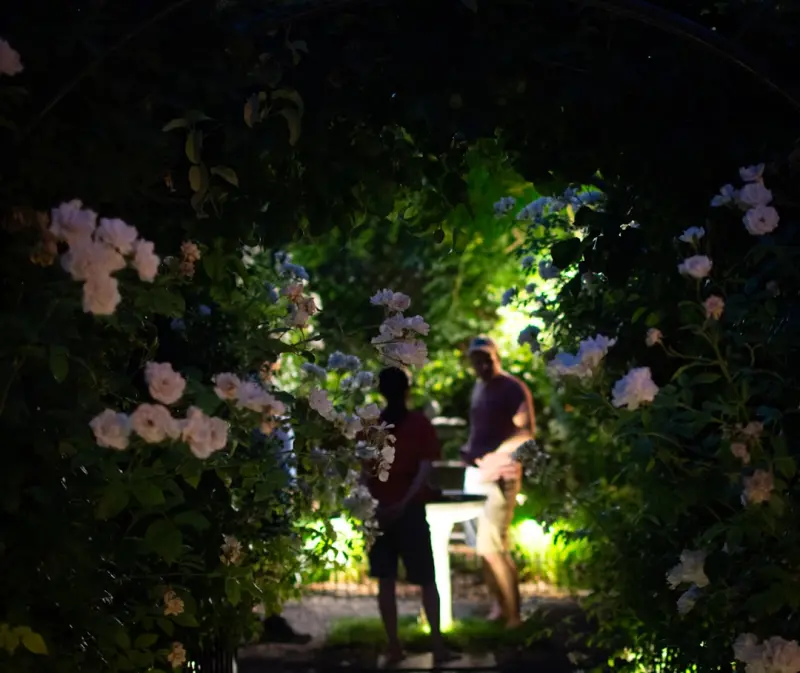
Why Garden After Dark?
Most gardeners think of sunrise, noon, and the golden hour as the only moments a garden truly lives. I’ve spent years coaxing vegetables out of compact balconies and coaxing wildflowers onto city rooftops, but there’s a whole rhythm that begins when the sun dips below the horizon. The night is not a dead zone; it’s a bustling, subtle theater where moonlit blossoms, scent‑laden breezes, and nocturnal pollinators perform their quiet work. Designing a garden that thrives after dark isn’t just a whimsical experiment—it’s a strategic move that can boost biodiversity, extend harvest windows, and create a sanctuary for the senses when the world finally quiets down.
The Science of Moonlight and Plant Physiology
Moonlight is faint—roughly 1/400,000 the intensity of full sunlight—but it carries a spectral composition that plants can still perceive. Phytochromes, the light‑sensing proteins that guide germination and flowering, respond to the red‑far‑red ratio present even in dim lunar illumination. Research shows that certain species, especially those native to open meadows and coastal dunes, use moonlight as a cue to synchronize blooming with the activities of night‑flying insects.
When you plan a nighttime garden, you’re essentially tapping into a plant’s innate circadian orchestra. By aligning your planting choices with the natural lunar cycle, you give flora the chance to flower, release fragrance, and even photosynthesize at low rates—contributing to overall vigor and resilience.
Selecting the Right Nighttime Cast
Not every plant loves the dark. Here’s a quick checklist of star performers that actually thrive under moonlit skies:
- Evening Primrose (Oenothera) – Its buttery‑yellow petals unfurl at dusk, releasing a sweet scent that intensifies after sunset.
- Night-Blooming Jasmine (Cestrum nocturnum) – Emits an intoxicating perfume strongest between 9 p.m. and midnight.
- Moonflower (Ipomoea alba) – A fast‑growing vine that opens its white trumpet flowers precisely as the moon rises.
- Four‑O’Clock (Mirabilis jalapa) – Blooms in the late afternoon and stays open well into the night, attracting moths.
- Catmint (Nepeta) – While not a strict night‑bloomer, its foliage reflects moonlight beautifully and attracts cat‑skinned pollinators.
- Silver‑Leafed Salvia (Salvia argentea) – Silvery foliage glimmers in low light, creating a luminous backdrop.
If you’re limited on space, consider integrating these choices into small-space garden strategies—vertical trellises for moonflower vines, tiered containers for evening primrose, and hanging pots for night‑blooming jasmine.
Soil, Water, and Moonlight: The Quiet Trio
Nighttime gardens need the same solid foundation as any other garden, but a few tweaks can make a world of difference after dark:
- Mulch for Moisture Retention: Evening humidity can cause rapid surface drying. A generous layer of organic mulch keeps soil temperature stable and retains moisture until sunrise.
- Low‑Phosphorus Fertilizer: Excess phosphorus can encourage foliage over flower production, which defeats the purpose of a night‑focused garden. Opt for a balanced, low‑phosphorus blend.
- Evening Watering: Water your beds just before dusk. The soil will absorb the moisture slowly, delivering hydration when the plants switch into night‑mode metabolism.
Welcoming the Night‑Time Workforce
While bees dominate daytime pollination, a whole cast of nocturnal insects steps onto the stage after sundown. Moths, beetles, and even certain flies carry pollen from night‑blooming flowers to distant neighbors. To support them:
- Provide Light‑Free Zones: Avoid bright, white LEDs near your flower beds. Soft amber or low‑intensity warm lights are less disruptive.
- Plant Nectar‑Rich Herbs: Basil, sage, and thyme release subtle scents after dark, feeding moths and night‑flying beetles.
- Install Small Water Sources: A shallow bowl with a pebble‑lined edge offers a safe drinking spot for thirsty pollinators.
Moonlight vs. Artificial Light: Finding Balance
Many city gardeners rely on string lights or spotlights to extend garden use after dark. While aesthetically pleasing, these lights can interfere with the very organisms you’re trying to attract. Here’s a pragmatic approach:
- Use Motion‑Activated, Warm‑Hue LEDs: Only illuminate when someone is present, and keep the hue below 3000 K to mimic natural twilight.
- Shield Light Sources: Direct fixtures downward and use baffles to prevent light spill onto plant canopies.
- Schedule Light Dimming: Many smart plugs let you program a “moon mode” that dims lights to 10–15% after the first hour of night.
This technique not only protects nocturnal pollinators but also aligns with a larger ethos of digital workspace greening—where technology serves nature rather than overwhelms it.
Design Principles for a Luminous Nightscape
Creating a garden that feels alive after dark is as much about layout as it is about plant selection. Consider these design rules:
- Layered Height: Place taller, moon‑reflective vines (like moonflower) at the back, medium‑height evening primrose in the middle, and low‑lying aromatic herbs at the front. This tiered approach creates depth and invites the eye to wander.
- Contrast with Dark Foliage: Plants with deep purple or black leaves (e.g., black mondo grass) provide a dramatic backdrop that makes white blossoms pop under low light.
- Pathways of Soft Light: Low‑lying lanterns with amber glass create gentle guideways without flooding the garden with glare.
- Reflective Surfaces: Incorporate small mirrors or water features to bounce moonlight onto foliage, enhancing the ethereal glow.
Integrating Low‑Tech Gadgets Without Over‑Lighting
If you love a touch of tech, opt for tools that respect the night’s subtlety:
- Soil Moisture Sensors: Battery‑powered probes that send alerts to your phone, helping you avoid over‑watering in the cooler evenings.
- Acoustic Moth Traps: Devices that emit gentle ultrasonic pulses to monitor moth activity without harming them.
- Solar‑Powered Path Lights: They charge during the day and release a dim, amber glow at night, syncing naturally with the garden’s rhythm.
These gadgets let you stay informed and responsive, ensuring your nighttime garden remains a thriving, low‑maintenance ecosystem.
Maintenance Routine for the Night Gardener
Maintaining a night‑focused garden doesn’t demand extra labor; it simply shifts the timing of standard tasks:
- Early Evening Pruning: Trim spent blooms and dead foliage just before sunset, allowing plants to heal under the gentle night air.
- Nighttime Pest Checks: Some pests are nocturnal (e.g., cutworms). A quick lantern scan can reveal trouble before it spreads.
- Moon Phase Planning: Align major planting or transplanting events with a waxing moon, a tradition dating back centuries that many growers still trust.
- Seasonal Soil Refresh: In late winter, add compost and organic matter to keep the soil rich for the upcoming blooming season.
Stories from the Dark: Real‑World Examples
Across the globe, gardeners are already embracing the night:
- Barcelona’s “Jardín de la Luna” – A public park where moonflower vines drape over pergolas, creating a silver canopy that glows under the city’s streetlights.
- Portland’s “Night‑Bee Sanctuary” – A community garden that hosts monthly moonlight tours, showcasing plants that attract the native hawk moth.
- My Own Backyard Experiment – I installed a modest trellis of moonflower along my patio wall. Within weeks, I noticed a surge of moths and a subtle sweet scent that lingered until dawn. The experience reminded me why we garden: to reconnect with the rhythms that have sustained humanity long before electricity.
Beyond Aesthetics: The Health Benefits of Night Gardens
There’s a growing body of research linking evening exposure to natural scents and low‑level light with reduced cortisol levels and improved sleep quality. A garden that blooms at night offers a gentle, non‑intrusive way to unwind after a busy day. Simply stepping onto a moonlit path, inhaling the aroma of night‑blooming jasmine, and listening to the soft hum of moth wings can become a nightly meditation ritual.
Future Trends: Nighttime Gardening in an Urban World
As cities densify, rooftops and balconies become prime real estate for vertical night gardens. Imagine a high‑rise building where each floor hosts a curated selection of moon‑friendly plants, creating a cascading wave of fragrance that drifts down the street. Coupled with smart irrigation and low‑energy lighting, these installations could become the next frontier of sustainable urban design.
By thinking beyond the sun, we unlock new layers of ecological interaction, aesthetic wonder, and personal well‑being. The night is not a void; it’s a canvas waiting for the brushstrokes of moon‑lit blossoms.

Tyler Johnson is a seasoned freelance writer with a keen eye for detail and a passion for crafting compelling narratives. His years of experience have honed his ability to adapt his style to suit diverse client needs and project requirements.
Related Posts

Sustainable Gardening: A Pathway to a Greener Tomorrow
Sustainable gardening is a pathway to a greener tomorrow. Learn how to adopt eco-friendly gardening ... Read More

Cultivating Calm: How a Backyard Garden Can Reset Your Mind
Explore the power of garden therapy: sensory design, seasonal rituals, and mindful harvesting create... Read More

How to Turn Your Backyard into a Living Lab for Curiosity
Treat your garden as a living laboratory where questions drive experiments, observations become narr... Read More
Top Posts

Kids and Teens: Turning Everyday Talk into Podcast Power
Explore the rise of kid‑led podcasts, from idea generation to publishing, and see how audio storytelling empowers teens with confidence and lifelong skills....Read More

Why Sustainable PCs and Laptops Are the Hottest Trend in 2024
Explore the rise of sustainable PCs and laptops in 2024, with insights on green specs, gaming, and smart purchasing decisions....Read More

Planting Stories: Turning Your Garden Into a Living Narrative
This post shows how to view gardening as a narrative art, turning plants into characters, pathways into plot lines, and harvests into climactic chapters, while ...Read More

Decentralized Identity: Re‑imagining Trust in Enterprise Tech
Decentralized identity shifts control from central directories to users, offering stronger security, privacy‑by‑design, and smoother onboarding. This post b...Read More
0 Comments
Post Comment
You will need to Login or Register to comment on this post!